


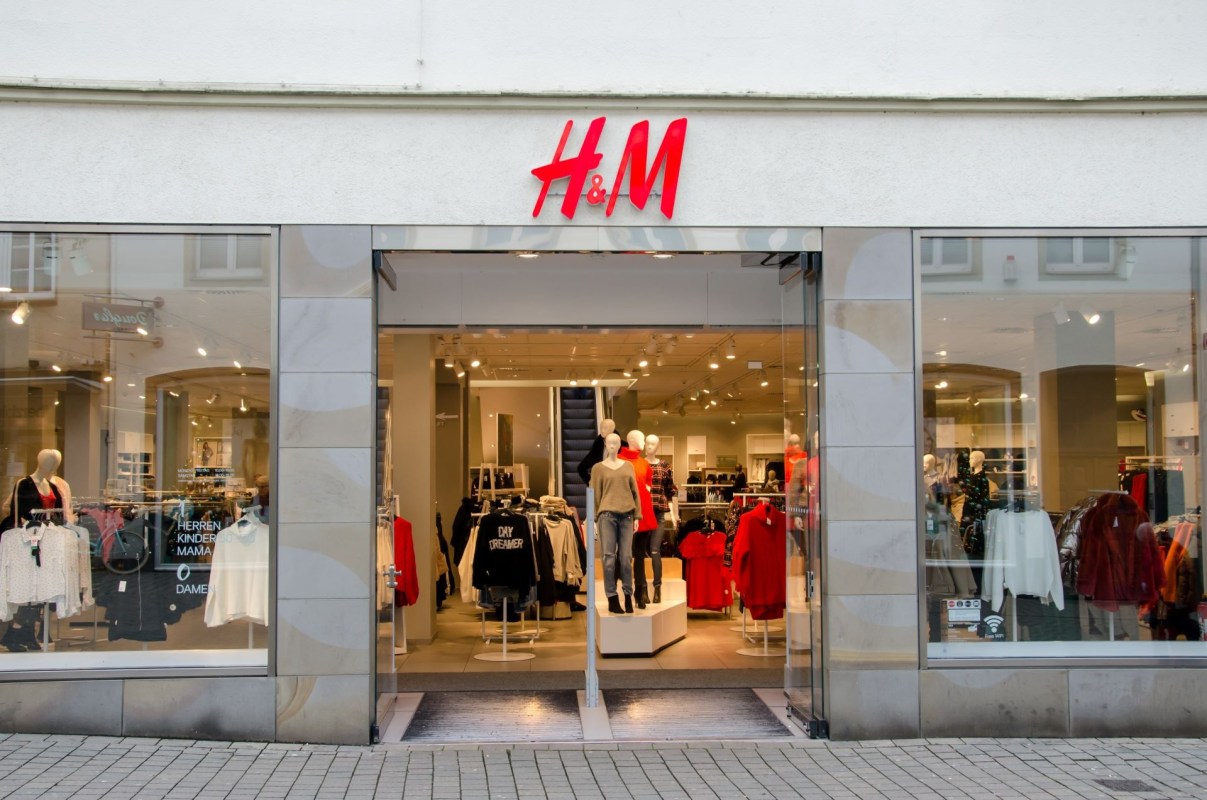
You've probably heard about fast fashion, a term describing trendy and cheap clothing that's quickly produced. These clothing designs move quickly from the catwalk to stores to meet the demand for new styles.
While the fact that these clothes are cheap and trendy isn't bad, fast fashion brands also, unfortunately, use unsustainable production methods, such as the use of toxic dyes, which can lead to air and water pollution, as well as unethical labor practices.
Recently, brands notorious for being a part of fast fashion, like H&M, Zara, and Forever 21, have come under fire for being wasteful and harmful.
What's the future of fast fashion?
Despite this pushback, fast fashion companies are producing more clothes than ever, which has a substantial environmental impact.
The fast fashion industry, through its lightning-fast production of synthetic materials like polyester, is responsible for over 8% of the harmful carbon pollution across the planet. So not only is the industry causing the Earth to overheat, but the problem is also getting worse.
At the same time, secondhand and thrift stores are becoming increasingly popular as people look for more sustainable alternatives to fast fashion.
TCD Picks » Quince Spotlight
💡These best-sellers from Quince deliver affordable, sustainable luxury for all




CNBC reported that these resale markets are growing at a pace nearly 25 times quicker than general retail. It's been projected that the value of these clothing resale markets will nearly double to almost $77 billion, all by 2027.
These stores offer a way to buy quality clothes without contributing to the environmental damage caused by fast fashion brands.
Additionally, some secondhand stores often donate their profits to charity, making them a great way to shop ethically. Plus, they don't break the bank in the first place.
So, while it's hard to say what the future of fast fashion will be, tons of companies are making efforts to reduce their environmental impacts, such as using recycled materials and more sustainable production methods. And many more are adding resale programs so you don't have to live wastefully.
Join our free newsletter for easy tips to save more, waste less, and help yourself while helping the planet.






