The newest breakthrough in sustainable energy could create fuel out of thin air.
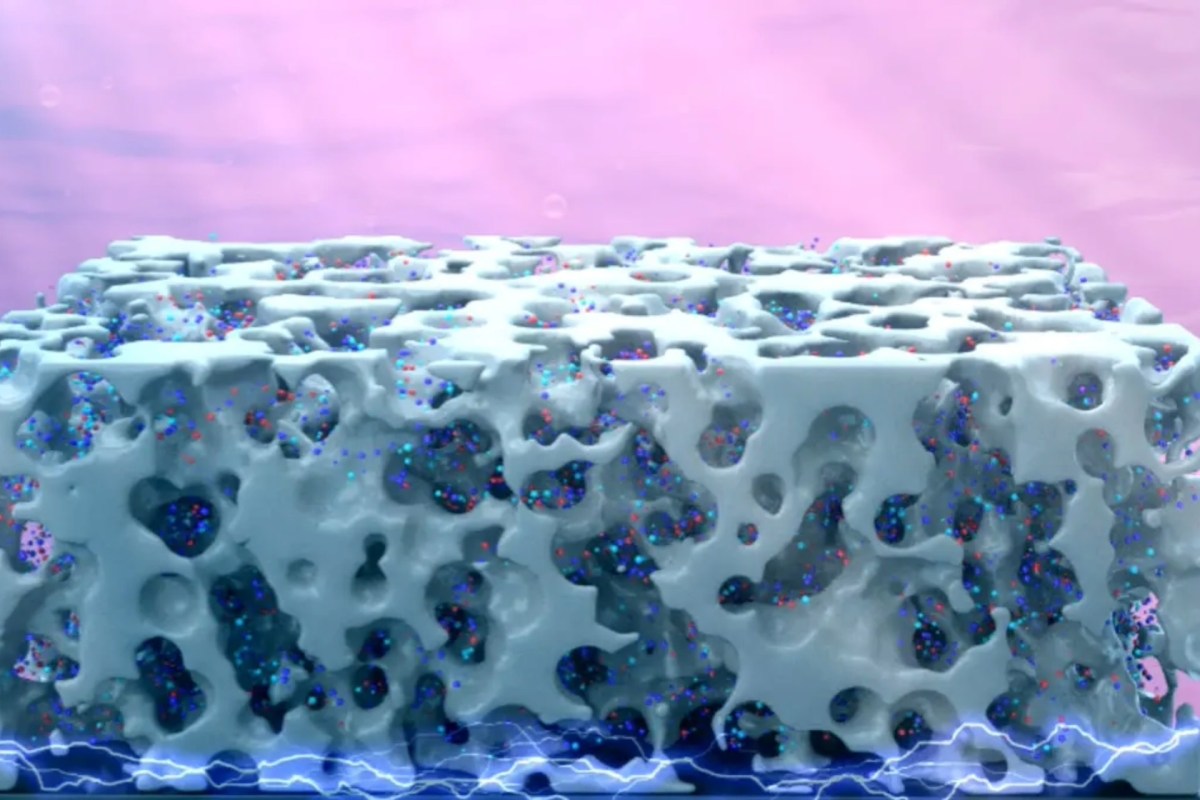
The Department of Energy Center for Hybrid Approaches in Solar Energy to Liquid Fuels implemented a revolutionary strategy that utilized a high-surface-area silicon material to generate liquid solar fuel from sunlight, carbon dioxide, and water, per Interesting Engineering.
While previous efforts have successfully used silicon-based photoelectrodes to create liquid solar fuel, CHASE, which includes researchers from six universities and a laboratory, found that a three-dimensional silicon format in the shape of micropillars increased the efficiency of the system and yield of the desired product.
The scientists ran two separate experiments that placed a different type of catalyst on the silicon photoelectrode, which helped them analyze the experiment at a molecular level. The catalyst absorbs sunlight to trigger chemical reactions that convert CO2 in the presence of water into fuel — a process not unlike photosynthesis.
They conducted the first trial using cobalt as the catalyst and then replaced it with rhenium. The former produced methanol with an improved current density, while the latter demonstrated more "durability and selectivity" as it transformed carbon monoxide into methanol, according to Interesting Engineering.
"Together, these studies demonstrate that there are inherent advantages to building higher surface area silicon semiconductors for application in hybrid photoelectrodes," a summary from the DOE read. "This research is an important step toward generating liquid fuels using sunlight as the energy source and only the carbon dioxide and water in the air as the inputs."
TCD Picks » Good Store Spotlight
Get 10% off your next purchase with code TCD10




The International Renewable Energy Agency believes that increased dedication to and reliance on green methanol production — such as a Chinese natural gas company's efforts to convert kitchen waste into methanol for container ships using the fuel — could prevent 1.6 billion tons of CO2 pollution annually.
Both experiments delivered promising results for the future of renewable energy and could help heavy industries and applications that typically rely on dirty energy sources transition to cleaner alternatives.
While those sectors have energy needs that can't be met by battery packs that are charged by wind and solar power, the hybrid photoelectrodes made of the three-dimensional silicon scaffolds could generate an energy-dense fuel that eventually replaces traditional methods of producing methanol.
According to the MIT Technology Review, though methanol has the potential to be green, standard procedures to produce the chemical compound still rely on coal.
That makes the eco-friendliness of CHASE's development two-fold, as it can take CO2 out of the atmosphere while relying on the abundant resource of sunlight.

Join our free newsletter for weekly updates on the latest innovations improving our lives and shaping our future, and don't miss this cool list of easy ways to help yourself while helping the planet.