


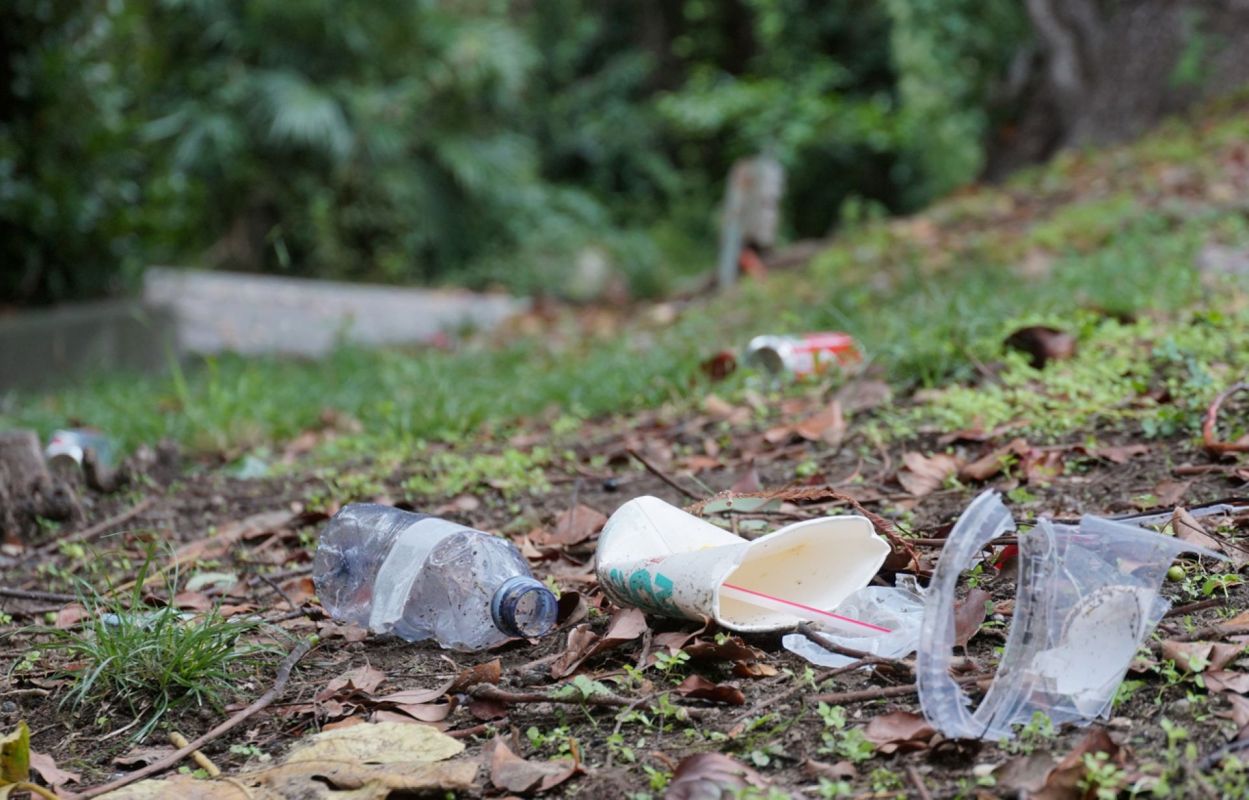
National parks worldwide might want to note what Khao Yai National Park in Bangkok, Thailand, does regarding visitors littering.
In 2020, an initiative was started by Varawut Silpa-archa, the country's then-minister of natural resources and the environment, that would see trash left behind by tourists collected, put in a box, and mailed to the home of the offender.
Parkgoers were required to register their address when visiting the UNESCO World Heritage site, so tracking down the culprits wasn't so difficult.
According to the BBC, in addition to receiving their littered items back, they are sent a note reading, "You forgot these things at Khao Yai National Park."
In addition, The Washington Post cited the Bangkok Post, which said that anyone caught littering could receive a fine of up to 500,000 baht, or around $14,500. Jail sentences include a five-year stint behind bars as a potential punishment.
"We applaud Khao Yai National Park and The Minister of Natural Resources and Environment for their commitment to maintaining the beauty and wellbeing of our country's natural resources," Charinya Kiatlapnachai, director of the tourism authority of Thailand, told The Washington Post in 2020.
TCD Picks » Quince Spotlight
💡These best-sellers from Quince deliver affordable, sustainable luxury for all




"Thailand's national parks and wildlife have had time to recover from damaging results of tourism such as littering over the past six months and this gesture has the best of intentions to ensure we all do our part to help our country remain clean, safe and beautiful."
For anyone who has witnessed tourists littering in national parks or anywhere, this kind of punishment would seem harsh but fair.
A park in Florida has also taken a less severe approach to discourage littering, with sassy park signs hoping to put anyone thinking of polluting the area in check.
Khao Yai National Park is a near-800-square-mile site is home to Asian elephants, gibbons, sambar deer, and hornbills, among other animals.
If these animals ingest the plastic and other harmful materials found in food and drink packaging, they could become sick or even die.
Meanwhile, the park also features waterfalls, streams, and pools, meaning these pollutants can easily make it to water sources and harm fish and other aquatic animals.
At any national park, respect for the wildlife is essential. Visiting these places is a privilege, and breaking the rules and causing harm could ruin things for people who truly love the natural world — not to mention putting the health of animals and ecosystems at risk.

Join our free newsletter for cool news and cool tips that make it easy to help yourself while helping the planet.







