


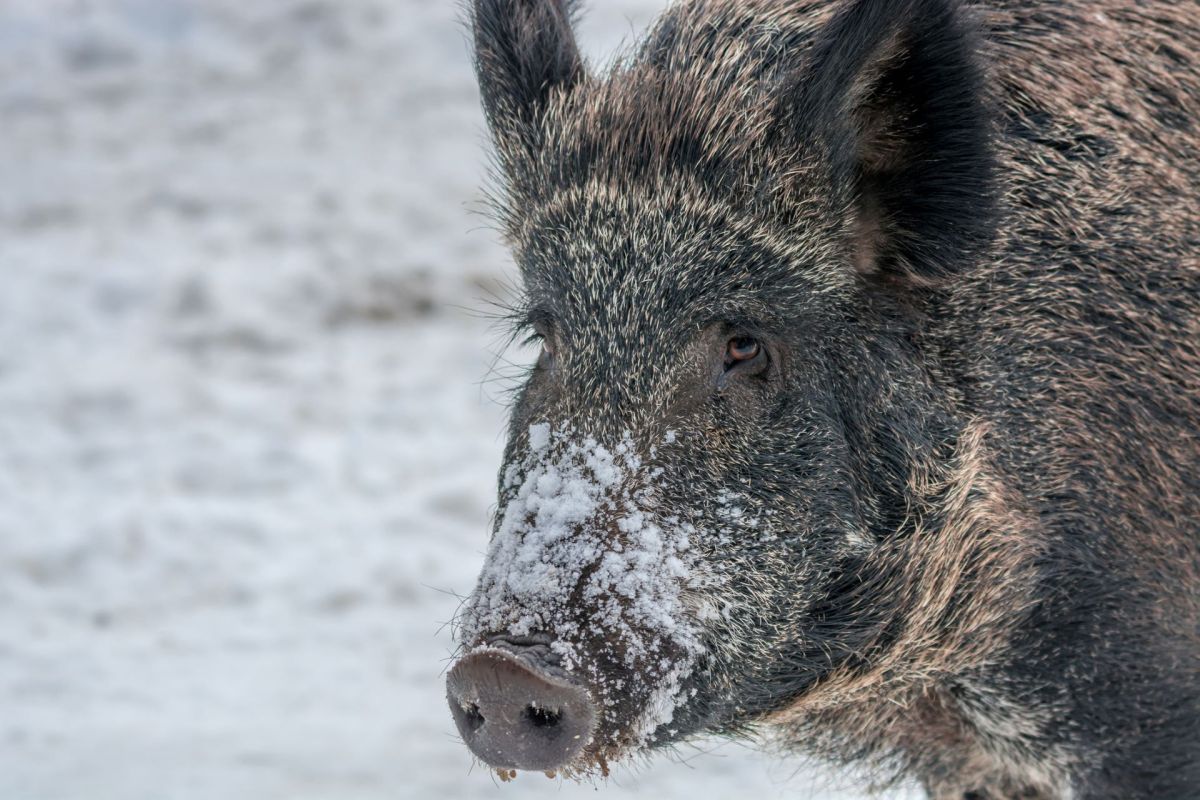
Erratic "super pigs" that have been referred to as the "most invasive animal on the planet" are on the brink of crossing the Canada border into the United States, presenting a significant concern for northern states, CBS News reports.
What's happening with the super pigs?
Super pigs, also known as feral swine and wild pigs, are a hybrid of a Eurasian boar and a domestic pig. They are an invasive species and have been causing problems for farmers and their crops since the late 1980s.
Professor Ryan Brook of the University of Saskatchewan in Canada even called the species "the most invasive animal on the planet" and "an ecological train wreck," per CBS.
Why do super pigs coming into the U.S. matter?
These feral pigs eat practically everything, including animals and plants, and destroy land in the process. It is estimated that in the U.S. alone, they cause $2.5 billion in property and crop damage, according to CBS.
The super pigs also carry multiple diseases that have passed through pigs meant for consumption. In addition, they are quite vicious. The New York Times reported that in 2019, a woman in Texas was killed by a feral swine.
So what can we do about the super pigs?
The U.S. government is already taking steps to manage this pig problem.
TCD Picks » Quince Spotlight
💡These best-sellers from Quince deliver affordable, sustainable luxury for all




The United States Department of Agriculture has a National Feral Swine Management Program, with their goal being to eliminate the feral pig problem.
In several of the Southeastern States, "large-scale control programs'' have been successful, reducing the population by 70%, according to the University of Georgia, via ScienceDaily.

Join our free newsletter for cool news and cool tips that make it easy to help yourself while helping the planet.







