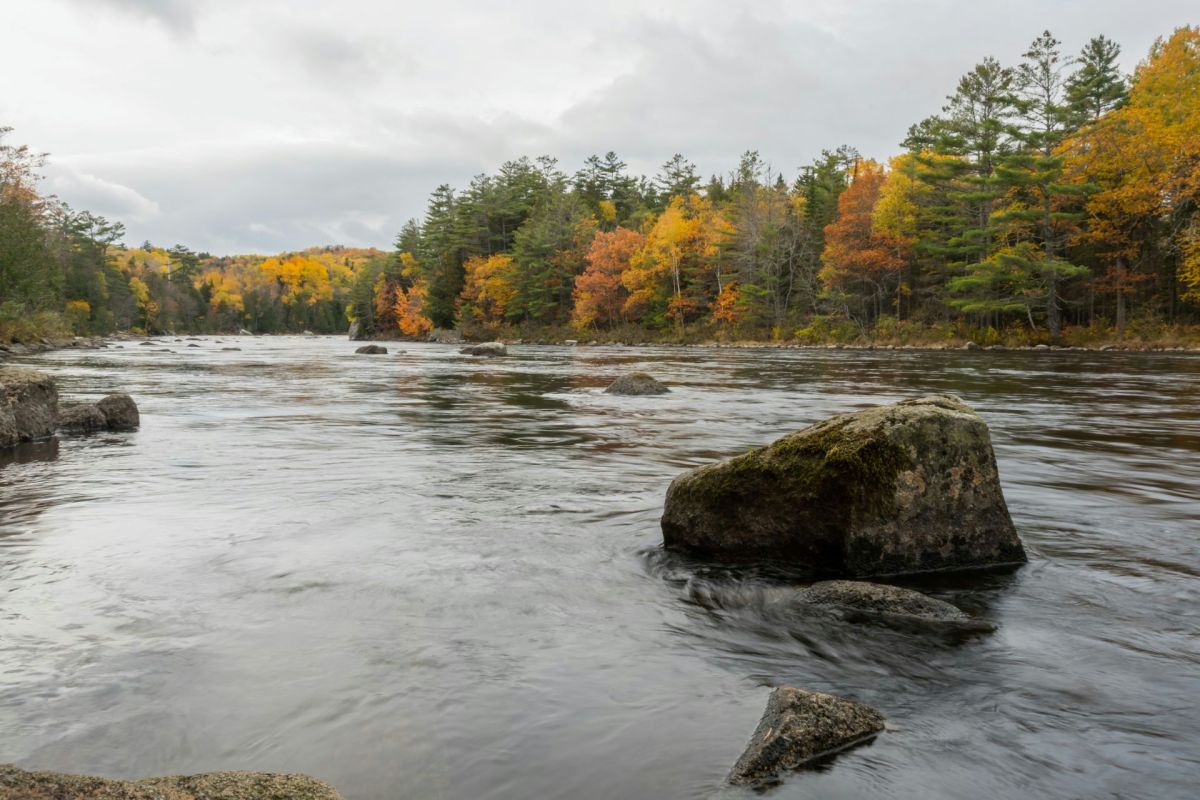
Maine is taking a pharmaceutical company to court over what it claims is the company's failure to continue cleaning up one of the state's worst toxic sites: a mercury-contaminated former chemical plant beside the Penobscot River.
Here's what to know
In its complaint in Penobscot Superior Court, the Maine Department of Environmental Protection says Mallinckrodt US LLC halted "meaningful work" at the Orrington site despite prior orders and violation notices, according to Maine Morning Star.
Once home to the HoltraChem chloralkali plant, the property sits along the Penobscot River and is considered Maine's most contaminated site. The facility operated from 1967 through 2000, producing caustic soda, chlorine bleach, and pesticides.
Court documents say Mallinckrodt has argued that the cleanup is difficult and expensive.
More background
This dispute has been unfolding for decades. The Maine DEP and the Environmental Protection Agency have been seeking cleanup there since the mid-1980s, and negotiations with the company were underway by 2002.
After those talks broke down, the DEP issued a unilateral cleanup order in 2008. Mallinckrodt appealed to the Board of Environmental Protection and then through the state courts, but Maine's highest court upheld the department's order in 2014.
TCD Picks » Quince Spotlight
💡These best-sellers from Quince deliver affordable, sustainable luxury for all




According to the state, the problems did not end there. The DEP issued notices of violation in May and October 2025, stating that the company had not yet corrected deficiencies in its proposed cleanup plans.
Where can I learn more?
Maine's case against Mallinckrodt is part of a much wider fight over who should pay when pollution threatens waterways and nearby communities. Similar disputes over PFAS, port emissions, plastic waste, and other environmental damage are playing out elsewhere, too.
• Water suppliers across the U.S. sue major companies over toxic PFAS contamination.
• In Los Angeles, a private group alleges extensive and blatant violations at the port.
• Baltimore officials say manufacturers must be held accountable for plastic pollution damages.
• In South Carolina, critics warn harms will only get worse without stronger action.
• In Australia, Santos faces a world-first greenwashing trial over climate claims.
A lot of these fights stretch on for years, with courts becoming the place where stalled cleanups and long-running pollution problems finally get pushed forward. That pattern helps explain why Maine's latest enforcement move matters.

Get TCD's free newsletters for easy tips, smart advice, and a chance to earn $5,000 toward home upgrades. To see more stories like this one, change your Google preferences here.