


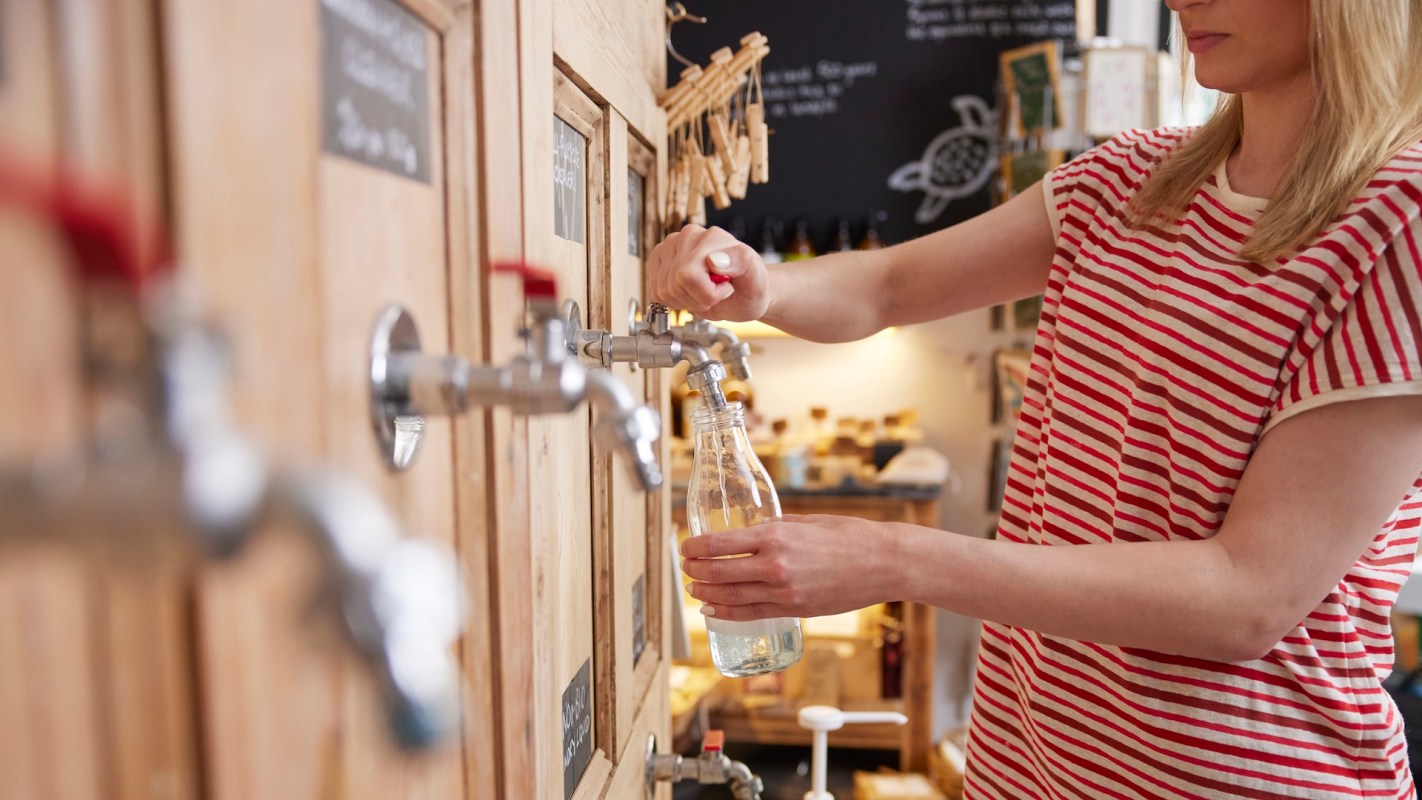
For many shoppers trying to cut down on plastic, the hardest part is not motivation — it's finding accessible options.
A growing conversation among zero-waste consumers shows just how frustrating it can be to seek lower-waste options and still end up stuck with plastic-wrapped basics from mainstream stores.
Here's what to know
In a Reddit thread posted on Aug. 10, an original poster wrote: "I really wish (and wonder why there aren't) many stores where you bring your own reusable containers and buy your groceries, cosmetics, toiletries, etc without wasteful packaging!"
The complaint centered on how uncommon those stores still are. Even where they do exist, the poster said refill and package-free shops often feel too small and too limited to serve as a real alternative to standard retailers, describing them as "usually really small" and saying they "do not compare to big grocery or big-box retailers like target for example in scale and inventory."
Replies shared the original poster's frustration. "I wish refill stores were more common!" one commenter wrote. Another Redditor commented, "This is one thing I think Canada does better than the US. I wish Bulk Barn would expand and move down south!"
Many people want to reduce waste, but many communities still lack convenient, affordable options that make that possible in everyday life.
TCD Picks » Quince Spotlight
💡These best-sellers from Quince deliver affordable, sustainable luxury for all




More background
Access appeared to vary sharply by location. One commenter said their area has multiple bulk food stores, farmers markets, and year-round community-supported agriculture options, while others described only a few boutique shops with limited refill offerings or stores too far away to depend on regularly.
Limited selection was another recurring issue. If refill shops carry only grains, spices, soaps, or detergents, shoppers still have to make separate trips for produce, packaged staples, and household basics. One commenter also said farm stands in their city operate on limited days and hours, which makes them hard to rely on for weekly shopping.
Greenwashing also came up as a timely issue.
Another user wrote, "I was JUST thinking about this! Especially with how common greenwashing is these days," highlighting how shoppers can feel surrounded by eco-friendly marketing while genuinely low-waste systems remain difficult to find.
What can be done?
Terminology may make a difference when finding a store that works for you: searching for "refill shop" instead of "bulk store" may turn up options that are easy to overlook. One commenter said that change in wording helped them find a store "a few towns away."
One Redditor suggested a resource they found helpful for finding refill stores in their area: "They are becoming more common! Are you familiar with https://refill.directory/? It grows a little bigger every month, so keep an eye out!"
For some shoppers, refill stores work more as a supplement than a full replacement. Commenters said they use them for soap, toiletries, detergents, and skincare, then buy harder-to-source items at discount or traditional grocery stores.
Cost was another common obstacle. Several Redditors said package-free stores can be more expensive, especially because smaller businesses do not operate at the same scale as major chains.

Get TCD's free newsletters for easy tips, smart advice, and a chance to earn $5,000 toward home upgrades. To see more stories like this one, change your Google preferences here.








