


A Japanese appliance maker known primarily for its rice cookers has found that upcycling food waste from rice could create a nice craft beer.
Here's what to know
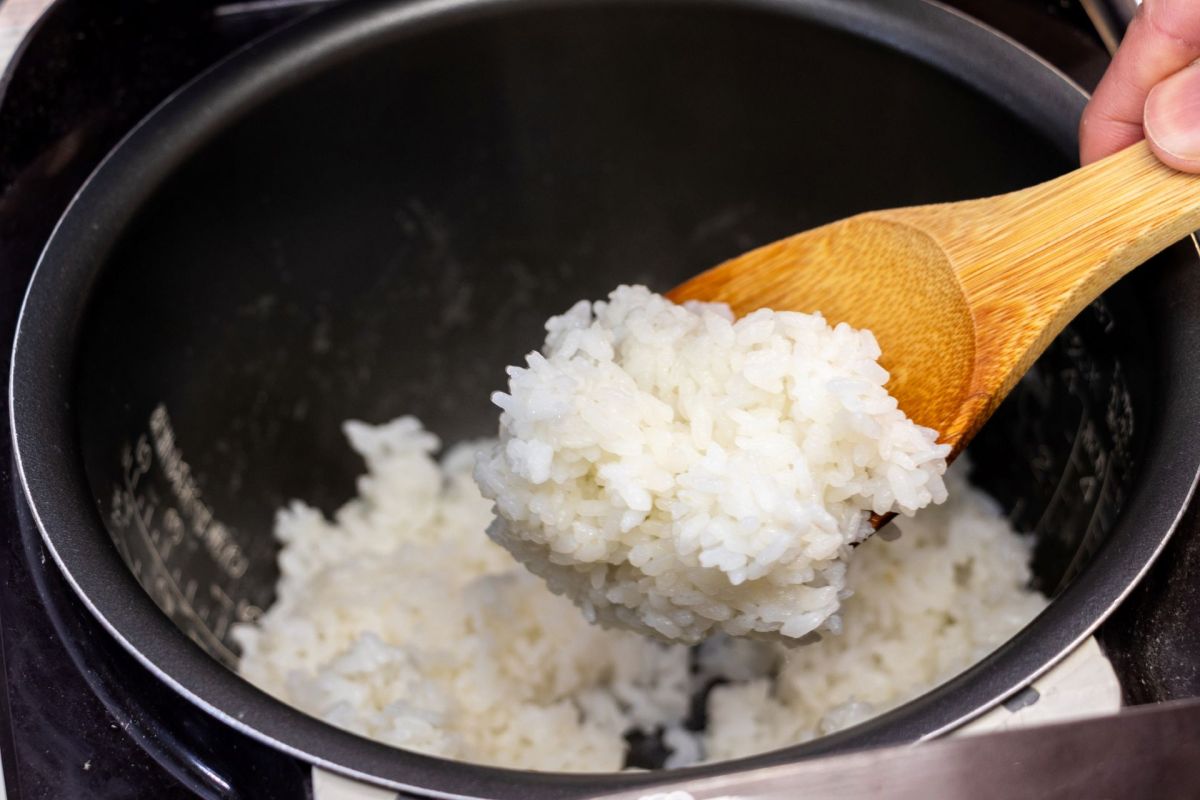
As Kyodo News reported, repeated cooking trials used to develop and test Zojirushi's rice cookers leave the Osaka-based company with large amounts of leftover rice. Rather than relying mainly on compost, it teamed up with Niigata-based Echigo Beer Co. to turn part of that surplus into beer.
To make the drink, Echigo Beer Co. mixes malt with cooked rice and hot water. Then, it converts the rice starch into sugar. The result is a 4.5% beer described as smoother, less bitter and easy to pair with food.
Over roughly six months, Zojirushi sold 100,000 cans of its upcycled beer, "Zo no mai," or Elephant Dance. Kyodo News said that is enough to meet its annual goal as it works to reduce the about 30 tons of food waste generated each year during rice cooker development.
Zojirushi spokesman Katsuhiko Hamada said the project gave the company a new way to rethink an internal waste stream.
"We were able to make the most out of our resources while creating new value," Hamada told Kyodo News.
TCD Picks » Quince Spotlight
💡These best-sellers from Quince deliver affordable, sustainable luxury for all




More background
Elephant Dance was not Zojirushi's first effort to turn extra rice into another product.
Its first bottled upcycled-rice craft beer, "Hare to ho," was released in 2023 and was meant to make the company's food waste reduction efforts more widely known, Kyodo News said.
Most of the rice left over from development and performance evaluations was used for compost. The move into brewing followed a suggestion from another company focused on reducing food waste.
What's being done?
By working with Echigo Beer Co., the company developed a repeatable brewing process and got the cans onto supermarket and convenience store shelves. Kyodo News said each can costs 405 yen, or about $2.50.
Even so, the brewing process can use only about 5% of its 30 tons of upcycled rice, leaving most of the leftover grain still in need of another use.
"We hope to use all the upcycled rice for a different product in the future," Hamada said.
Where can I learn more?
Zojirushi's beer experiment is one example of how companies and communities are finding practical uses for food waste.
• Researchers are turning rice byproduct into sustainable packaging, opening a lower-waste path for food companies.
• In the Philippines, officials use a "rice-for-trash" program to reduce beach waste and grocery costs.
• In Japan, food scraps are transformed into feedstock through fermentation so almost nothing is wasted.
• Genecis converts leftover food into biodegradable plastics with bacteria, cutting what goes to landfills.

Get TCD's free newsletters for easy tips, smart advice, and a chance to earn $5,000 toward home upgrades. To see more stories like this one, change your Google preferences here.







