


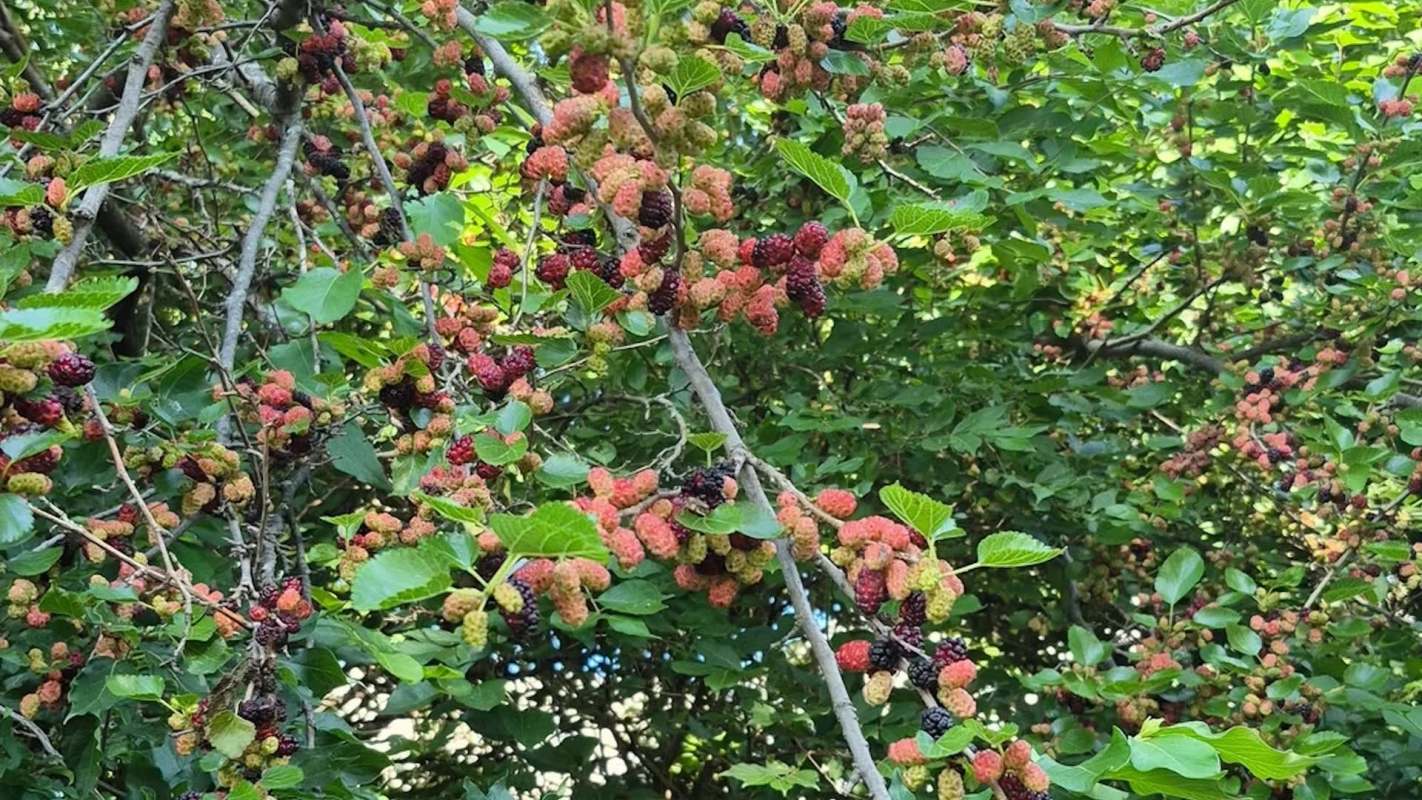
After posting photos of unfamiliar berries growing near their Indiana home, a Reddit user discovered the fruit was edible mulberries, turning a simple identification question into an unexpected foraging success.
After trying them, the original poster returned with an enthusiastic update: "Went out and picked as many ripe ones as I could reach, and good heavens, these are good."
What happened?
The user told r/WhatsThisPlant they were in the Indianapolis area and had "found like 5 huge trees. I'm jealous of birds who can reach the top."
In the same post, they asked, "I know we have an edible black raspberry bush, but I've never seen these around. Are they the same and/ or edible, or should I leave them alone."
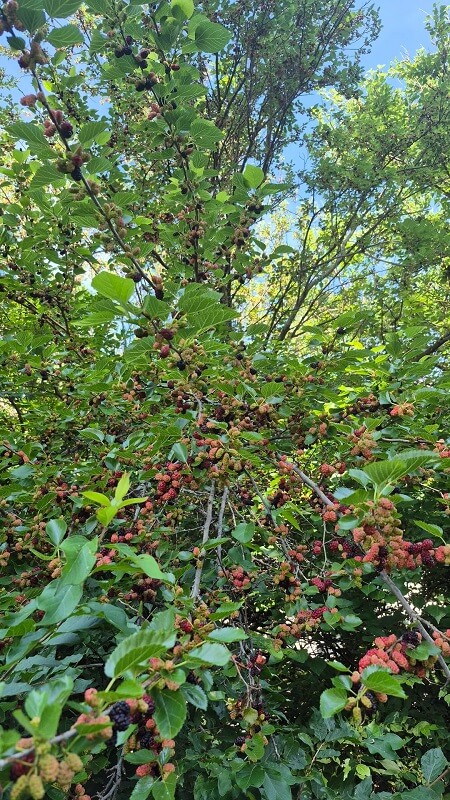
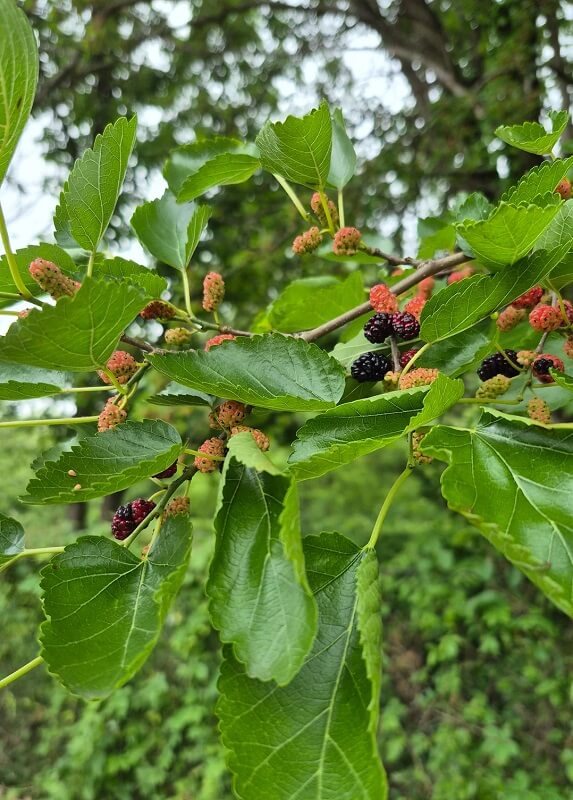
People in the comments identified the fruit as mulberries, with several saying the trees were most likely white mulberries.
The discussion quickly moved beyond identification into a celebration of free fruit growing around the neighborhood.
TCD Picks » Quince Spotlight
💡These best-sellers from Quince deliver affordable, sustainable luxury for all




Commenters shared childhood memories of eating mulberries, suggested turning them into jam or wine, and mentioned practical issues such as bugs and stains.
Ecology came up as well, with one commenter writing that "the hybrid species is more vigorous in North America than either of the progenitors and provides excellent ecological value."
Why does it matter?
Mulberries begin ripening in early summer, so a tree that might seem purely ornamental — or even annoying — can end up providing fresh fruit.
That also makes proper identification important. Several commenters said white mulberry is considered invasive in North America and can hybridize with native red mulberry, so a tree may be edible and plentiful while still posing concerns for local ecosystems.
Foraged food can help lower grocery costs and reduce trips to the store, but it still needs to be handled carefully.
Commenters warned that the berries should be washed thoroughly to remove thrips and other tiny insects and that mulberry juice can stain hands, clothing, and nearby surfaces.
What can I do?
If you come across mystery fruit in your yard or neighborhood, start the same way this Reddit user did: ask for help before eating anything. Local native plant groups, extension offices, and online identification communities can all help determine what you've found.
If the fruit turns out to be mulberries, only eat ripe berries from areas you know have not been sprayed with pesticides or exposed to roadside pollution. Wash them well, and wear clothes you do not mind staining.
If you are planting new trees, consider native species that support local ecosystems instead of invasive varieties.
And if you already have productive fruit trees nearby, harvesting some of their fruit can help keep food from going to waste while still leaving plenty for birds and other wildlife.

Get TCD's free newsletters for easy tips, smart advice, and a chance to earn $5,000 toward home upgrades. To see more stories like this one, change your Google preferences here.







