


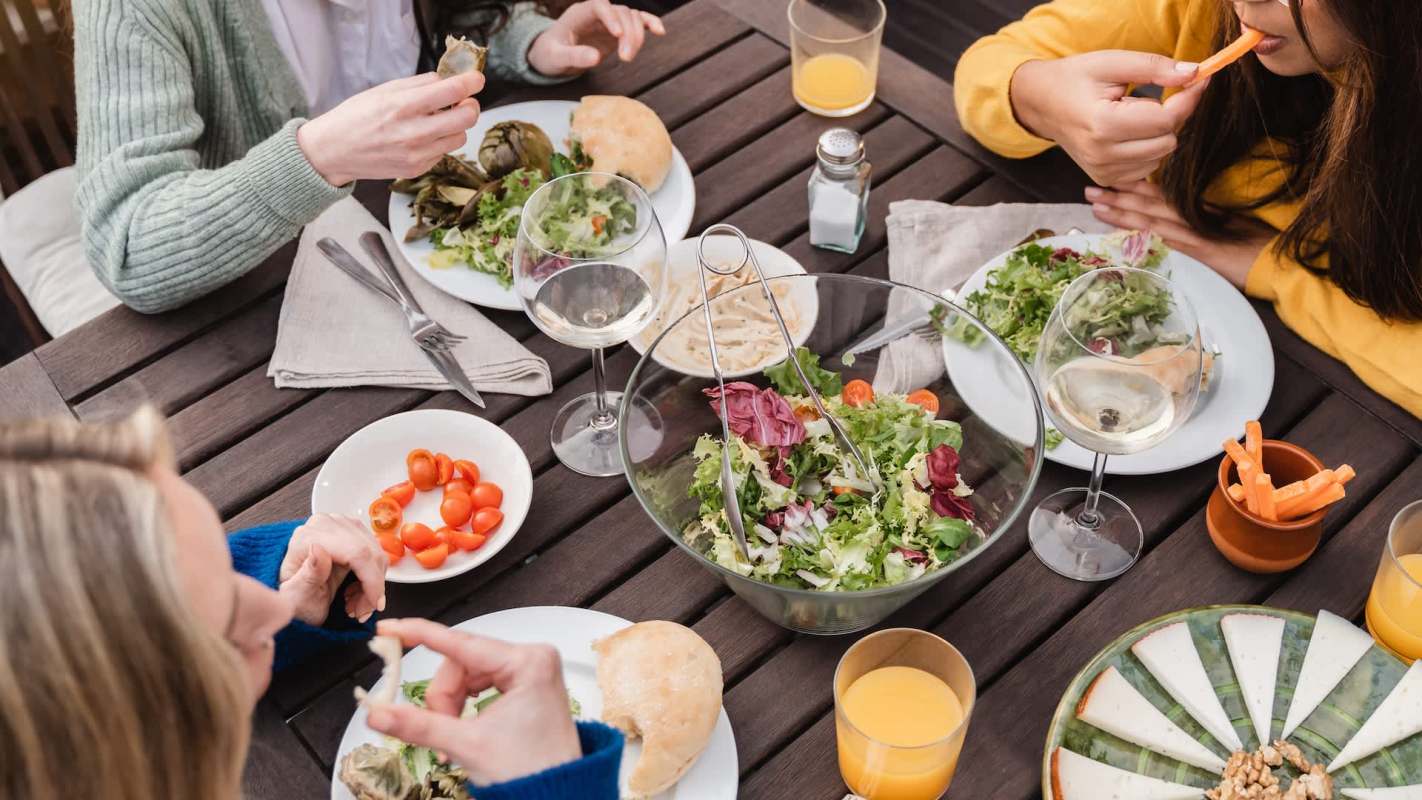
On Martha's Vineyard, a tick-borne allergy is changing more than summer routines. It is also reshaping restaurant menus, ingredient sourcing, and how local businesses think about serving both residents and tourists.
Now, plant-based and alpha-gal-friendly options are becoming a more visible part of the island's food scene.
What's happening?
Because alpha-gal, a tick-borne allergy, can make certain foods dangerous to eat, Martha's Vineyard restaurants are placing greater emphasis on helping diners identify safer options. Menus are increasingly marking items as dairy-free, gluten-free, vegan, or alpha-gal-friendly as businesses respond to customers seeking those options.
CNN reported that the response extends beyond what appears on the menu. Chef Carlos Montoya, whose daughter has alpha-gal, said: "One of the steps we take is making sure that we use separate cookware, separate spoons, separate knives, and separate cutting boards."
He said the adjustments can reach products that diners might not immediately think about.
"They asked us about our red wine; turns out the red wine we were using wasn't vegan, which meant it wasn't alpha-gal friendly," he said. "So we had to actually go back and start talking to our wine rep and say, 'OK, what do you got?'"
TCD Picks » Quince Spotlight
💡These best-sellers from Quince deliver affordable, sustainable luxury for all




CNN reported that the allergy's rapid spread has also led to several tick clinics opening on Martha's Vineyard, where providers are trying to help people manage a condition that can feel overwhelming.
Why does it matter?
The changes are tied not only to food choices, but also to worries about health, outdoor living, and the economy — in a place strongly associated with all three.
Aubrey Stimola Ryan, a physician assistant at a local hospital, told CNN : "This is a place, again, that people come to because it's beautiful, and they're in their yards and they're doing all kinds of outdoor activities. They don't want to turn away from their livelihood and their places of joy."
That strain is being felt by residents, workers, and business owners. Asked whether she worries about the economy being affected, farm owner Rebecca Miller said: "Yes, I do, as a business owner … Because people are afraid, they don't want to come."
Miller said that when grandparents reconsider bringing their families to the island, local shops and restaurants can lose customers.
What's being done?
One part of the response is to make food service easier to navigate and to handle it with more care. That includes clearer menu labels, more plant-based options, and closer scrutiny of ingredients that might otherwise be overlooked, such as wine or other products that may not be vegan or alpha-gal-friendly.
Kitchen routines are changing, too. Montoya's use of separate cookware and utensils shows how restaurants are working to lower risks for customers with severe allergies.
Public health messaging is also stressing prevention.
Stimola Ryan emphasized to CNN, "I think the most important thing for us to sort of drive home as clinicians and also in public health is that prevention works."
As Montoya said, the allergy is "spreading like wildfire." For island leaders and business owners, Miller said: "We have to do something to alleviate, you know, the fear."

Get TCD's free newsletters for easy tips, smart advice, and a chance to earn $5,000 toward home upgrades. To see more stories like this one, change your Google preferences here.







