


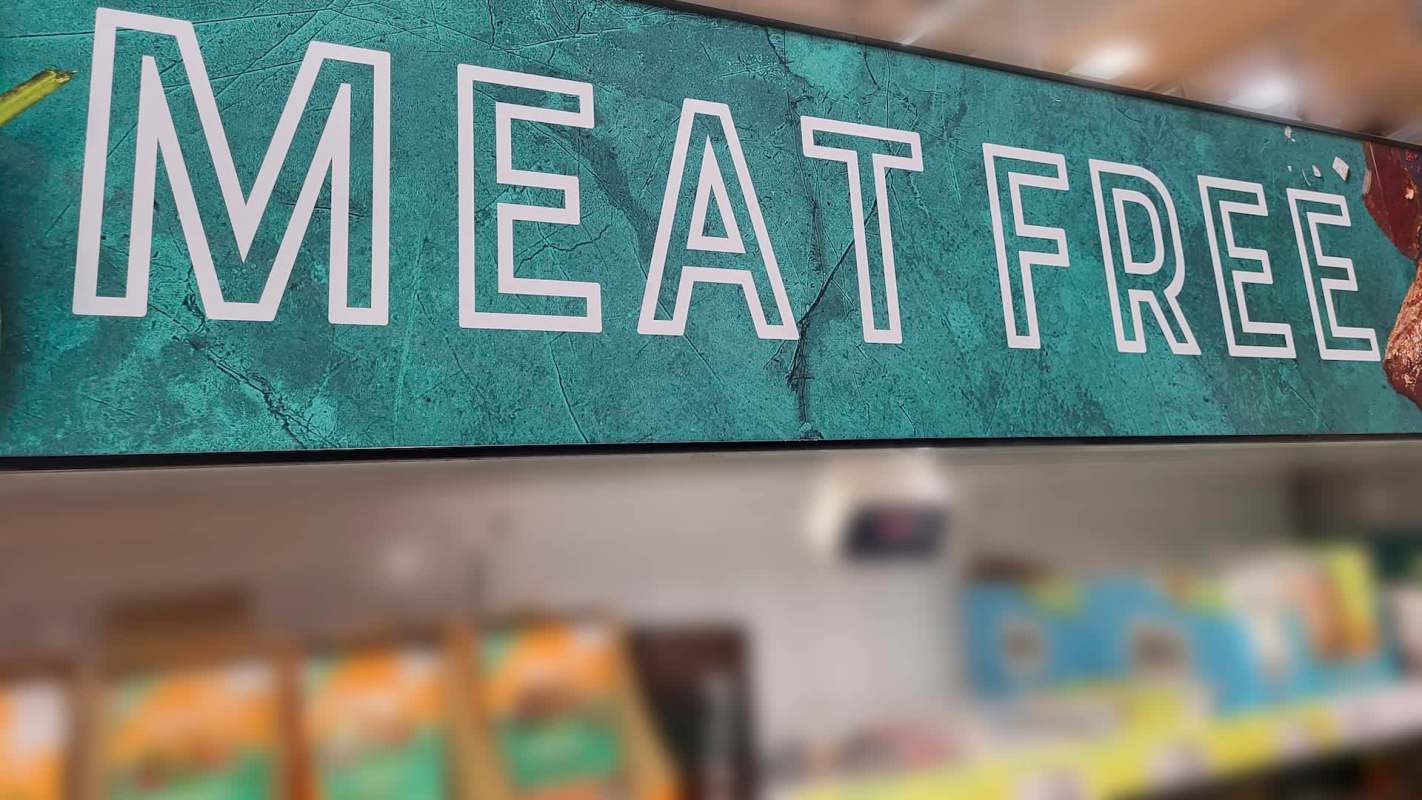
Store conditions may matter as much as shoppers' intentions when it comes to eating more plant-based foods.
Research has pointed to two practical forces behind those purchases: whether the products are affordable and whether people can easily find them.
What's happening?
According to The Conversation, plant-based foods tend to sell better when their prices stay manageable and their placement makes them easy for shoppers to notice.
To study that pattern, researchers matched price changes with loyalty card purchasing data from more than 29,000 grocery shoppers in Finland across categories including legumes, plant-based beverages, dairy products, meat, fish, and eggs.
A comparable trend appeared in grocery data from Canada, covering more than 58,000 consumers.
The results did not point to a single simple response to rising costs. While shoppers generally bought less as prices increased, plant-based proteins — despite often costing more — did not always lose buyers more quickly when their prices went up.
TCD Picks » Quince Spotlight
💡These best-sellers from Quince deliver affordable, sustainable luxury for all




"Plant-based eating is not just about changing minds," researchers Cameron McRae and Laurette Dube observed in an article for The Conversation. "It is about changing the conditions in which food choices happen: the prices people face, the products stores carry, the promotions shoppers see, and the everyday habits that guide what goes into a consumer's basket."
A separate part of the research focused on plant-based beverage promotions in 242 grocery stores in Québec.
Flyer ads produced the strongest results, likely because shoppers saw them before entering the store and then encountered the products again at the shelf.
Mobile promotions also boosted demand, especially when they included bonus loyalty points, whereas in-store promotions had less impact.
Why does it matter?
Shoppers make food decisions within real-world limits such as budgets, packed schedules, and established habits. In that environment, the lowest-cost or most familiar choice often has the advantage.
That carries clear consequences for grocery spending. Lower-income shoppers were generally more sensitive to price changes, which means taxes, discounts, and promotions could affect households differently depending on the food category.
If plant-based foods remain costly or difficult to find, cleaner, lower-impact eating could become a shift that higher-income shoppers are better able to maintain over time.
Plant-based diets are widely promoted as a way to reduce the pollution and resource demands connected to food production, and they're associated with health benefits, too. Research suggests that relying on short-term sales may do less to move shopping habits than making plant-based options consistently visible in stores.
What are people saying?
The researchers stressed that "price does matter, but the story is more complicated than saying plant-based foods simply cost too much."
They also said that "equity should be central to sustainable food policy."

Get TCD's free newsletters for easy tips, smart advice, and a chance to earn $5,000 toward home upgrades. To see more stories like this one, change your Google preferences here.








