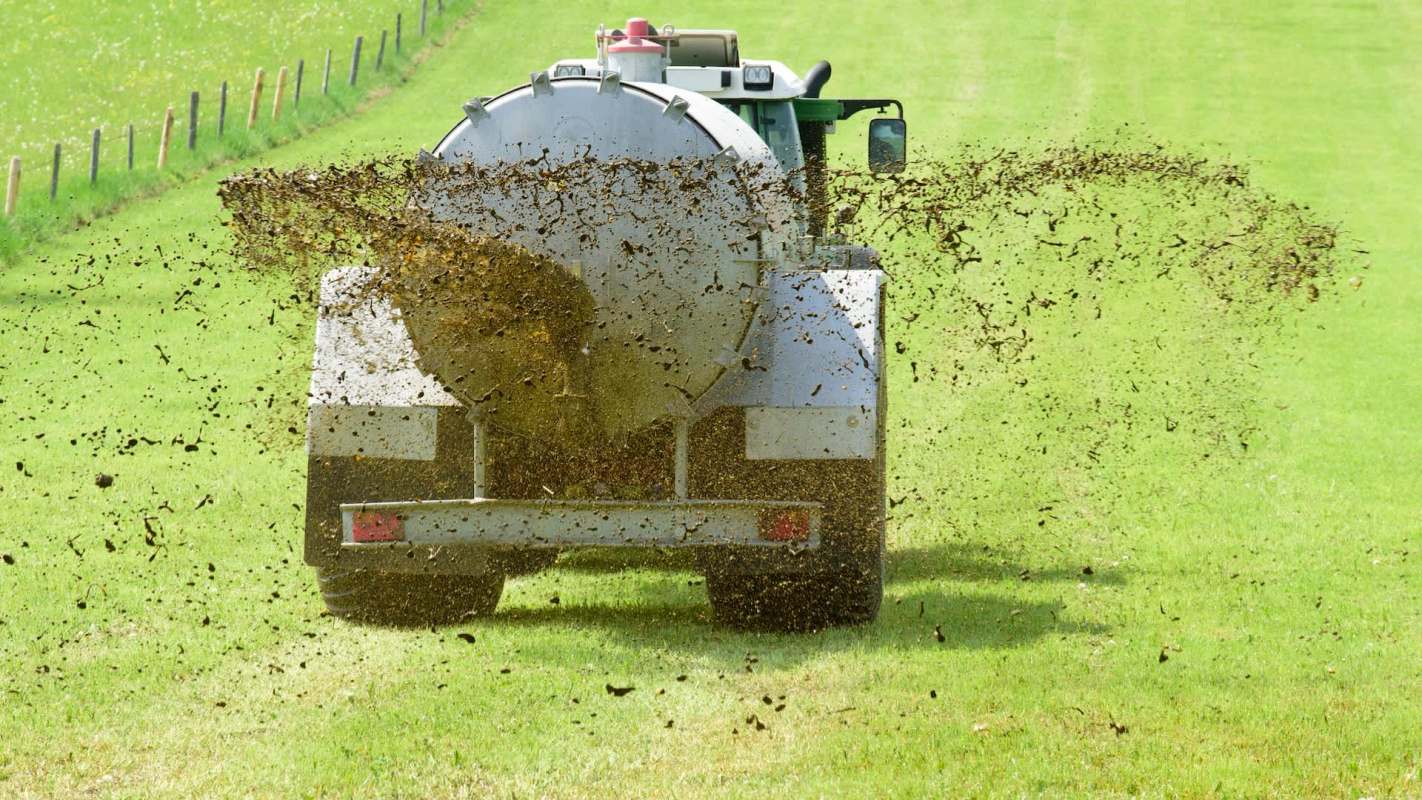
For eight years, farmers in Pennsylvania have used a cost-effective, waste-reducing fertilizer during spring planting seasons — and according to PennLive, locals have reached a breaking point due to the oppressive, unpleasant scent, forcing lawmakers to act.
Agriculture is a big part of Pennsylvania's economy — particularly given its large Amish population, many of whom operate farms — and farmland is interspersed with residential areas.
This close proximity has exacerbated local frustration over the use of food processing residuals, a form of waste that state Rep. Barb Gleim described as materials such as vegetable scraps, along with wastewater containing "blood, fat, hair, and feathers."
FPRs have been a boon to Pennsylvania's farmers, serving as a low-cost solution that ostensibly leverages food-supply-chain waste to facilitate the growth of new crops. Manufacturers also benefit, as FPRs significantly reduce waste disposal costs.
On the surface, FPRs sound like a win-win: They ostensibly reduce landfilled waste, keep costs down for farmers and food companies alike, and remain readily available despite a broader fertilizer shortage this year.
However, a 2024 study in the Journal of Environmental Quality warned that this seemingly planet-friendly fertilizer could be responsible for the "inadvertent introduction of PFAS into agroecosystems from beneficial reuse."
TCD Picks » EDF Spotlight
💡EDF's Vital Signs newsletter delivers stories about game-changing solutions close to home and around the world




PFAS (per‐ and polyfluoroalkyl substances) are also known as "forever chemicals" because they can exist for centuries; they are pervasive in the environment, wildlife, and in human bodies.
Exposure to PFAS is linked to an array of adverse health effects, including an increased risk of certain cancers, damage to the immune system, poor reproductive outcomes, and endocrine disruption.
In Central Pennsylvania, the unyielding scent of FPRs has prompted concerns about air quality, safety, and the overall quality of life, as local Dan Carroll previously explained to PennLive.
"It smells somewhere between dead fish, spoiled milk, and human waste," he began.
"It gets in your hair. It gets in your clothes. It gets in your animals. There's no escape. If they're stirring or spreading that day, there is absolutely zero chance you're going to want to spend any time outside."
Pennsylvania state lawmakers clearly had a difficult needle to thread with FPRs, balancing the economic needs of a large agricultural sector with those of residents worried that the health risks could be bigger than what they describe as an unbearably horrible smell.
In April, House Bill 586 passed in the Pennsylvania House of Representatives, opening the door to some level of FPR regulation.
Residents have reported FPR contamination in well water, but lawmakers are aiming to better regulate its use rather than ban it outright.
"These residuals do have fertilizing properties that help farmers grow their crops," Gleim told PennLive.

Get TCD's free newsletters for easy tips, smart advice, and a chance to earn $5,000 toward home upgrades. To see more stories like this one, change your Google preferences here.
Cool Picks