


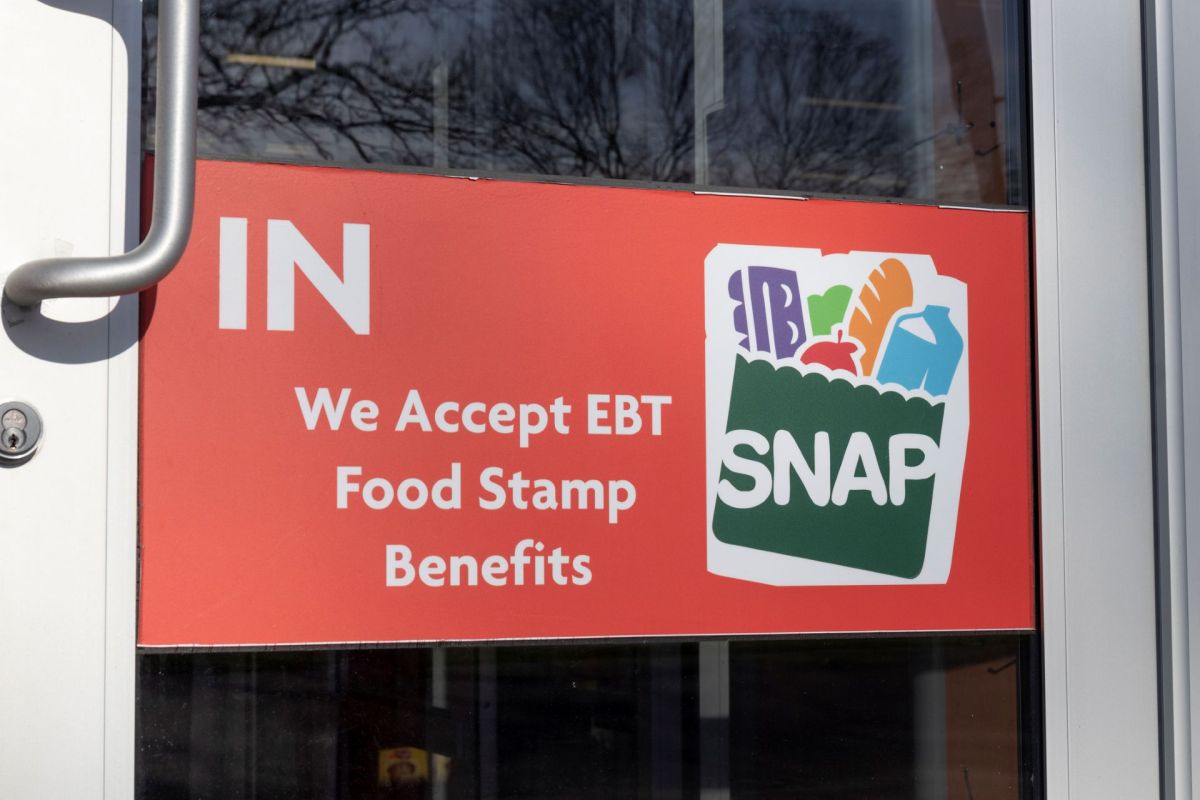
Helen Swire Comer's monthly Supplemental Nutrition Assistance Program support fell from roughly $400 to just $24 as she tried to rebuild her life. Before that, she had left work so her parents could remain at home through their final years.
Food banks around the state say her experience fits a broader West Virginia strain, with more families seeking help as public food assistance becomes harder to keep.
What happened?
As Mountain State Spotlight reported, nearly 9,000 fewer West Virginia households have been receiving SNAP benefits since Gov. Patrick Morrisey took office.
Anti-hunger advocates say GOP-backed revisions to SNAP rules expanded who must report work activity and tightened exemptions, causing more recipients to lose benefits.
A medical exemption was available to Comer, who lives in Lincoln County, but she said she did not know that while recovering from the physical and emotional toll of caregiving.
"There was no way I could have worked. Absolutely no way," she said.
TCD Picks » Quince Spotlight
💡These best-sellers from Quince deliver affordable, sustainable luxury for all




Food pantry operators say the consequences are already showing up on the ground. Cyndi Kirkhart, CEO of Facing Hunger Foodbank, said sites across southern West Virginia are under strain as more residents come looking for help.
State support for food banks is $1.4 million, down from the $10 million per year provided under a fund established in 2023.
"There is no way that we can offset the absence of SNAP benefits," Kirkhart said.
Why does it matter?
SNAP is designed to prevent hunger on a scale charities simply cannot match. It delivers about nine meals for every one supplied by a food pantry, according to Feeding America.
When families lose that assistance, the burden shifts to volunteers, nonprofit groups, and local organizations that are often already stretched thin.
Families facing hunger may have a harder time staying healthy, keeping up with work, caring for children, and managing emergencies. Older adults, people with disabilities, and caregivers can be especially vulnerable when paperwork requirements or reporting barriers cut off benefits they may still qualify to receive.
Some pantries are now serving more working families, grandparents raising grandchildren, and people living in cars.
Shirley Justice, who runs Healing Heart Food Pantry in Sod, summed up what many households are experiencing: "Food stamps don't last forever through the month."
What's being done?
Local groups are trying to close the gap even as their own resources continue to shrink.
Ryan Elkins, founder of Lincoln County Community Outreach, said his organization delivers pantry boxes to older adults and residents with disabilities who cannot make it to a store.
"We're trying to fill the gaps with these services that are continuously being cut," he said, according to Mountain State Spotlight.
Other organizations have already been forced to scale back. Tami Boling, director of the Big Ugly Community Center in Harts, said funding shortages pushed its pantry to reduce regular distributions to once a month, though staff still handle emergencies and keep feeding children through summer and after-school programs.
At the policy level, West Virginia could also face additional costs under the federal spending law because its SNAP payment error rate exceeded the congressional threshold.
Del. Jeff Eldridge, R-Lincoln, said he would support state appropriations to help with those added costs and that lawmakers should continue supporting food banks as demand rises.
Comer offered an even more personal warning, stating, "This is why I'm speaking out. I've never been so low in my life."

Get TCD's free newsletters for easy tips, smart advice, and a chance to earn $5,000 toward home upgrades. To see more stories like this one, change your Google preferences here.







