


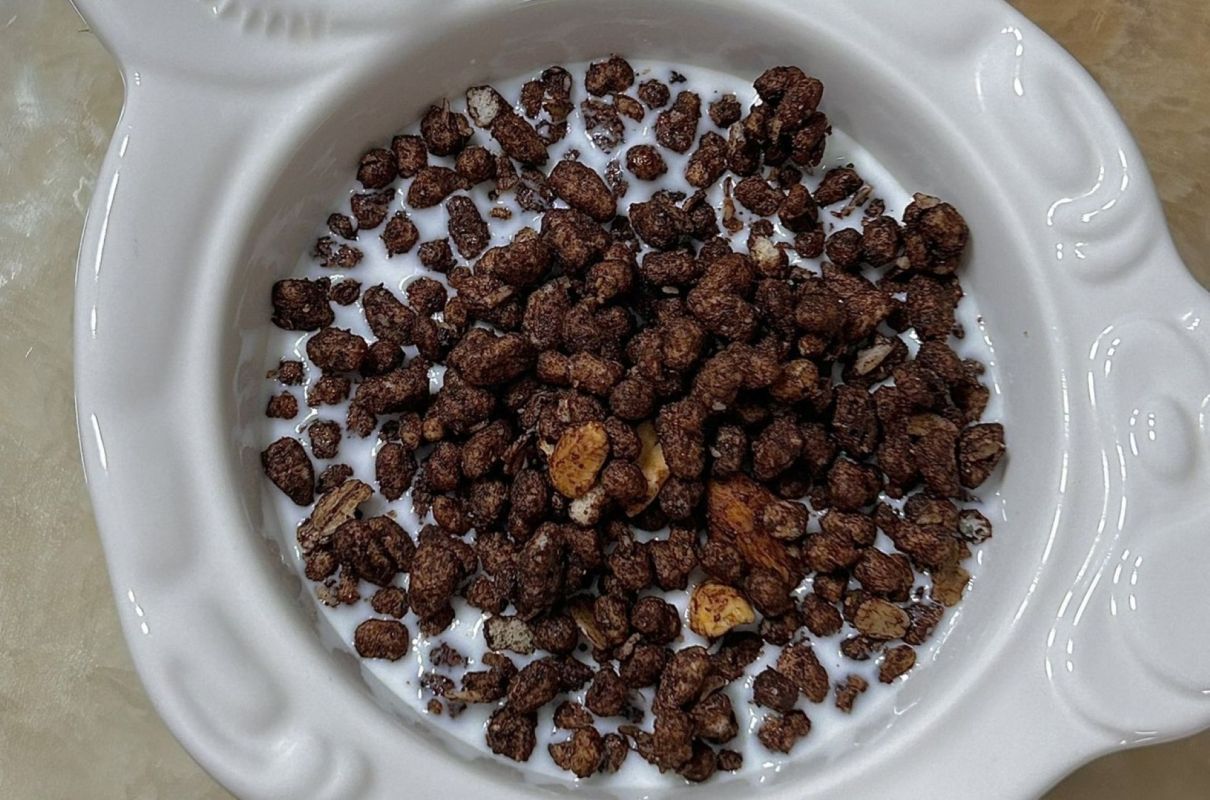
U.K. shoppers with dietary restrictions may need to reconsider two familiar breakfast options after Kellogg's added wheat gluten to the ingredient lists for Rice Krispies and Coco Pops.
Here's what to know
In some European markets, the recipe for Coco Pops will now contain corn and rice flours, while Rice Krispies has switched from rice grains to rice flour, The Standard reported this week.
"This recent change helps us maintain consistent quality at a time when changing weather conditions are affecting the quality and availability of some of the rice and grains used in our cereals," a Kellogg's spokesperson said in a statement.
The new formulations mean that wheat gluten is now included in the cereals as well, a concern for those with celiac disease or a wheat allergy.
More background
While both cereals have previously carried a "may contain gluten" warning because the factories where they have been processed have also handled foods containing gluten, the reformulations are a notable change and an indicator of weather-related impacts.
Worsening extreme weather disasters not only disrupt global food systems but also directly endanger lives and livelihoods, threatening public health, community safety, and economic stability.
TCD Picks » Quince Spotlight
💡These best-sellers from Quince deliver affordable, sustainable luxury for all




What's being done?
Wheat must now be identified as an allergen on the cereals sold in affected European markets and printed in bold in the ingredient list, according to The Standard. Kellogg's has reportedly placed prominent notices on the packaging to flag the allergen change for shoppers.
"We appreciate that even small changes to a much-loved product can feel noticeable and that's why we have approached this with a lot of care and consideration," the spokesperson said.
According to the BBC, Kellogg's confirmed, "Rice Krispies products in the U.S. and Canada will continue to be made with real rice with no changes to their recipes expected."
Where can I learn more?
These recent recipe changes are just one example of how weather pressures can affect everyday foods.
• In the U.K., an extreme summer left harvests short of wheat, barley, and oats.
• Most of England's staple crops grow in areas at risk of drought, raising food-price concerns.
• U.S. grocery bills may rise by mid-2027 as corn, wheat, and sugar prices jump.
• In Britain, experts warn there is no food-crisis preparedness plan to feed the country.
• U.S. heat waves have killed cattle and battered crops, potentially pushing grocery bills higher.

Get TCD's free newsletters for easy tips, smart advice, and a chance to earn $5,000 toward home upgrades. To see more stories like this one, change your Google preferences here.







