


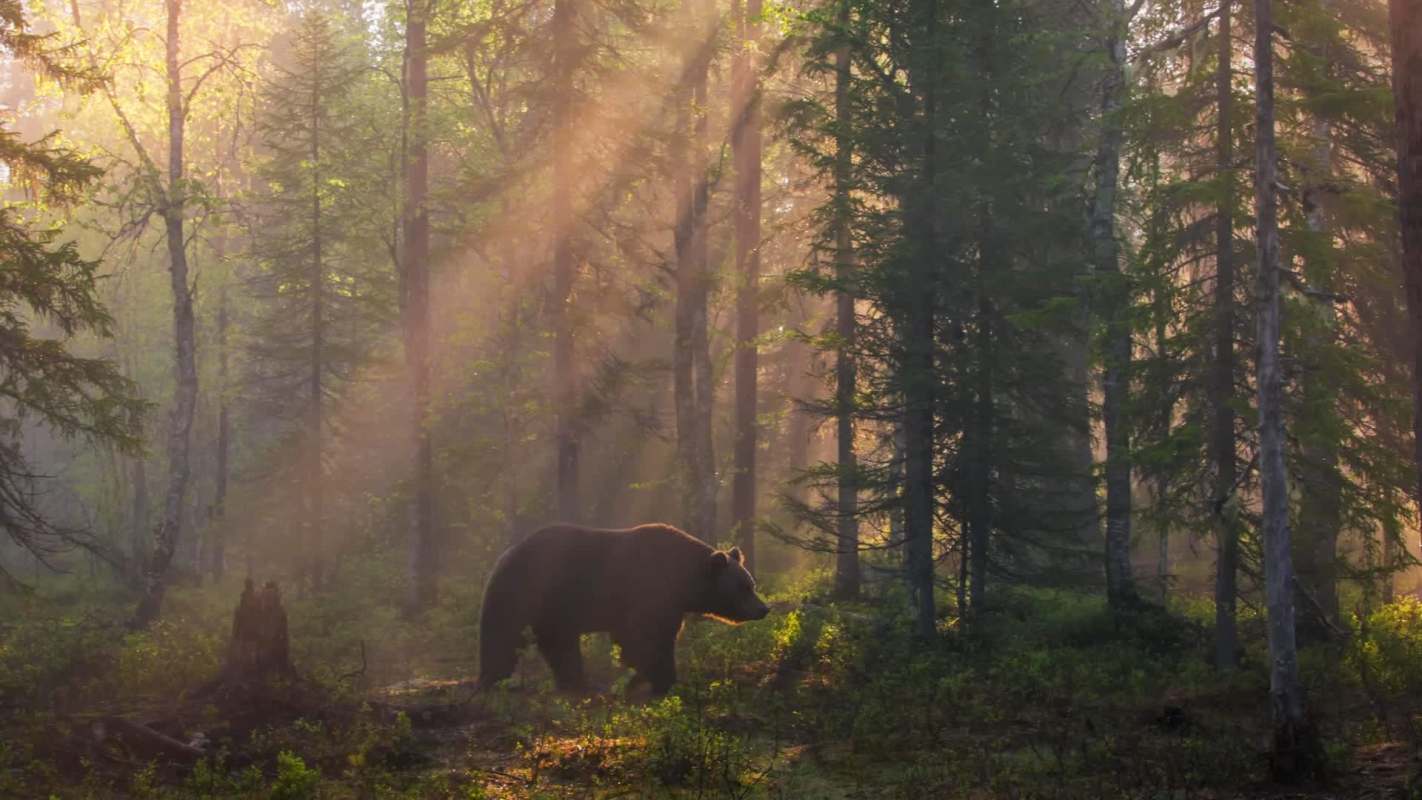
Restaurant Schrøder in Oslo, Norway, drew controversy after adding bear meat to its menu for NOK 795, or about $84.50, per serving.
Here's what to know
In Oslo's St. Hanshaugen neighborhood, protesters gathered outside Restaurant Schrøder after the venue began serving bear meat, NRK reported, via News in English. The menu item was made from meat taken from two bears — about eight kilos (over 17 pounds) from one shot in Trøndelag in 2023 and about 14 kilos (nearly 31 pounds) from another killed in Sweden in 2026.
Among the demonstrators was Ida Skjerden, who told NRK the decision was "highly immoral and disgraceful." She also distributed leaflets saying the group was "deeply disappointed" and calling for a boycott.
Bears are listed as threatened in Norway, even though authorities may still permit them to be killed if they are viewed as dangerous. The argument has also extended into a debate over whether the public should be offered vulnerable wildlife as a novelty food.
Beyond the dispute, Schrøder is a longstanding Oslo restaurant that is mentioned in Jo Nesbø's crime novels as a regular stop for his detective character.
More background
According to News in English, Simon Eriksson, who runs Schrøder, told Aftenposten that the restaurant chose to serve bear because the meat is rarely available. He also said its taste depends on the bear's diet.
TCD Picks » Quince Spotlight
💡These best-sellers from Quince deliver affordable, sustainable luxury for all




He said bears that feed mainly on berries in local forests can produce dark meat that tastes like wild game.
Some Oslo residents were more receptive. Speaking to NRK, Grotto employee Kristoffer Dale said, "As long as no one has gone out and hunted bear in order to sell its meat, this isn't the worst thing to do." He also said it was "exciting and cool" that Schrøder was offering bear meat for a limited time.
Public debates over threatened animals can shape what communities normalize, celebrate, and pay for, and building demand for meat from protected wildlife makes conservation harder.
What's being done?
Protesters outside Schrøder handed out boycott flyers, using the restaurant as an example in their pushback against selling meat from a threatened species as a high-end dish.
In comments to NRK, Skjerden asked, "Would you eat a panda bear?"
"This contributes to creating a market (for bear meat) and acceptance of shooting a threatened species," she added.
Schrøder has framed the bear dish as a temporary, unusual offering instead of a standard menu staple. However, its scarcity does not make it acceptable if serving it helps normalize eating an animal that many people think should have stronger protections.

Get TCD's free newsletters for easy tips, smart advice, and a chance to earn $5,000 toward home upgrades. To see more stories like this one, change your Google preferences here.







