


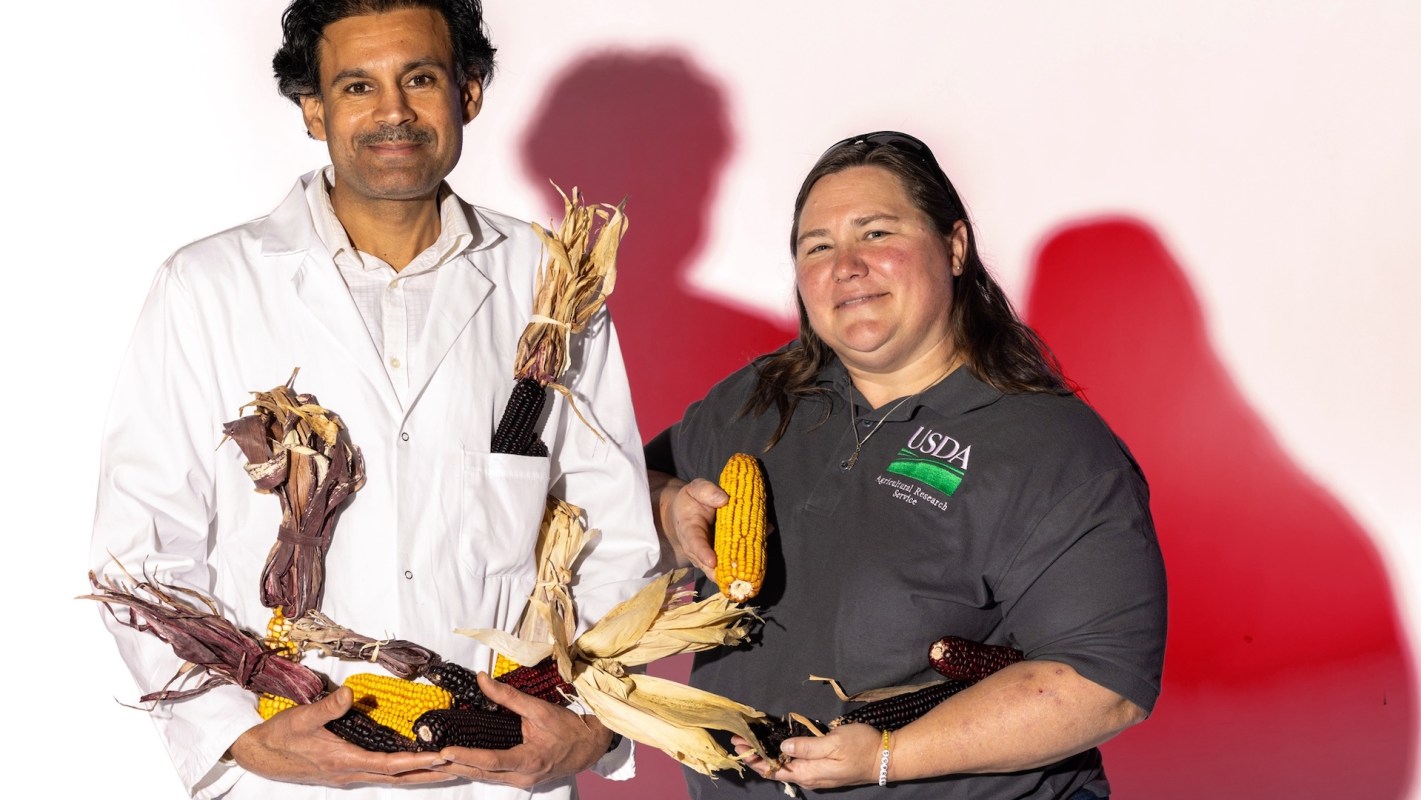
A purple corn variety long grown in South America may soon find a new role in everyday foods and drinks by helping companies shorten and simplify ingredient lists.
What's happening?
The focus of the research is anthocyanins, the pigments that give purple corn its bold color and also create the hues seen in blueberries, red cabbage, and grapes. Scientists in the university's agriculture, food, and natural resources college are studying whether those pigments can work as food colorants.
Anthocyanins are valued for more than appearance: they also have antioxidant properties that have been associated with lower inflammation and benefits for heart health.
As outlined by the University of Missouri, the results suggest purple corn may overcome a major weakness of many natural dyes by holding its color more effectively over time and under stress.
"Most natural colors are fragile," Somavat, a University of Missouri researcher with joint appointments in the College of Agriculture, Food and Natural Resources and the College of Engineering, said. "They tend to break down when exposed to heat, light or oxygen."
Heat tests showed the pigments were fairly resilient. Roughly 75% of the main color compounds remained after an hour at elevated temperatures, and when the pigments were coated in protective food-grade materials, retention for some compounds climbed to nearly 97%, potentially aiding the production of shelf-stable powders for storage and transport.
TCD Picks » Quince Spotlight
💡These best-sellers from Quince deliver affordable, sustainable luxury for all




Why does it matter?
Artificial food dyes remain common in many products consumers buy regularly, including drinks, snacks, and candies.
If manufacturers can swap in a plant-based colorant that performs reliably, shoppers could see more foods made with recognizable ingredients without companies sacrificing the bright appearance those products are expected to have.
Beverages may be an especially useful fit for purple corn. Natural colorants often struggle in drinks because acidity, light exposure, and long storage periods can cause them to break down.
Somavat said, "Purple corn-based colorants held up well in acidic and basic environments. That makes it a strong candidate for fruit juices, flavored waters, and sports drinks. Even after seven weeks of refrigerated storage, color loss was minimal."
People interested in adding more plant-based choices to their routines can also explore the TCD Guide's page on plant-based options for more ideas.
Purple corn joins a small but growing group of natural dye alternatives. Michroma, for instance, has developed a fungus-based Red No. 40 replacement with similar heat and acid tolerance.
What's being done?
Researchers are also working to make purple corn viable on the farming side.
Over the past five years, the team has been trying to develop purple corn that can thrive in Midwest and Corn Belt conditions, a necessary step if the ingredient is going to become widely available beyond the lab.
Missouri already produces large amounts of standard yellow corn, so developing purple varieties suited for the Corn Belt could create a new source of income for farmers while expanding the domestic supply of a natural food ingredient.
To move that effort forward, the researchers are partnering with Sherry Flint-Garcia, a research geneticist with the U.S. Department of Agriculture's Agricultural Research Service, and crossbreeding colorful corn with varieties that already grow successfully in places such as Missouri.
"Some of the most colorful types don't grow well here, so we're crossbreeding them with types of corn that already do well in places like Missouri," Flint-Garcia said. "That way, farmers can grow purple corn, and we can benefit from its healthy properties."
Somavat also promoted the kernel's outer layer as the place where the corn's color is most concentrated. "It's the layer that often gets stuck in your teeth," he said. "In purple corn, that's where our most valuable components are."

Get TCD's free newsletters for easy tips, smart advice, and a chance to earn $5,000 toward home upgrades. To see more stories like this one, change your Google preferences here.







