


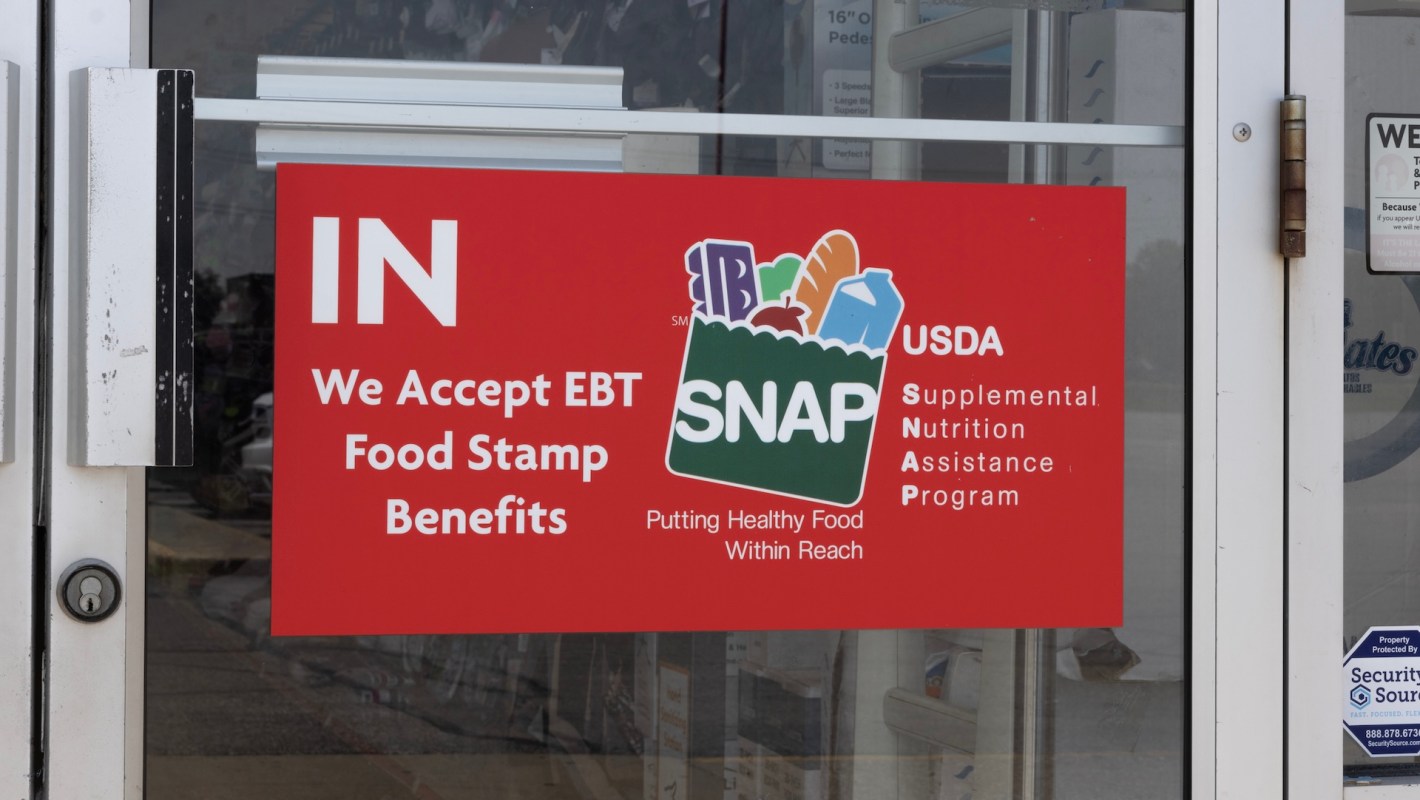
A court ruling has stalled food-assistance purchase restrictions in some states, but Virginia, South Carolina, North Dakota, and Montana are proceeding with limits on eligible groceries.
The dispute centers on the federal government's authority to approve the restrictions and concerns about recipients' access to food.
Here's what to know
For people using the Supplemental Nutrition Assistance Program, soda, energy drinks, and candy are the most commonly targeted purchases, although specific limits depend on the state, according to LiveNow.
Texas, Indiana, Arkansas, Utah, Louisiana, Idaho, Florida, and Oklahoma have also adopted purchase-restriction waivers.
A separate lawsuit has kept similar restrictions from taking effect in Colorado, Tennessee, West Virginia, Iowa, and Nebraska.
The pilot program for those five states lost its federal approval on June 22, 2026, when U.S. District Court Judge Amy Berman Jackson overturned the U.S. Department of Agriculture's decision allowing the states to test the restrictions.
TCD Picks » Quince Spotlight
💡These best-sellers from Quince deliver affordable, sustainable luxury for all




The plaintiffs said the limits would make it harder for them to obtain food. Jackson's ruling rested on USDA's lack of authority under federal law to approve bans on purchasing sugary foods and drinks with SNAP benefits.
More background
According to the USDA's Food and Nutrition Service figures cited by LiveNow, SNAP serves more than 42 million people and provides an average of $188 per person each month in fiscal year 2025.
That fiscal year ran from October 1, 2024, through September 30, 2025. The program cost approximately $101.7 billion to $102.6 billion, with federal funding distributed to states, which process applications and assess who qualifies using federal rules.
Recipients use prepaid Electronic Benefit Transfer cards to buy groceries. The state-specific restrictions change which items those benefits can cover at checkout.
The policy is promoted as a way to improve nutrition.
What's being done?
Through its Make America Healthy Again initiative, the Trump administration is encouraging states to adopt the waivers.
The USDA says the waivers give states greater flexibility in managing SNAP. Officials backing the restrictions include Agriculture Secretary Brooke Rollins and Health and Human Services Secretary Robert F. Kennedy Jr.
"These waivers help put real food back at the center of the program and empower states to lead the charge in protecting public health. I thank these governors who have stepped up to request waivers, and I encourage others to follow their lead. This is how we Make America Healthy Again," Kennedy said in a release, according to LiveNow.
That public-health benefit remains the administration's stated goal, not a demonstrated outcome of the restrictions.
Hawaiʻi, Ohio, Missouri, Kansas, and Wyoming are slated to implement restrictions in 2027, with Nevada following in 2028.
"At USDA, we play a key role in supporting Americans who fall on hard times, and that commitment does not change. Rather, these state waivers promote healthier options for families in need," Rollins said in a release.
Where can I learn more?
Purchase restrictions are one of several hurdles SNAP recipients face when buying groceries.
• In Pond Creek, Oklahoma, the only SNAP grocer shows how food-aid restrictions affect rural shoppers.
• Nebraska's SNAP rolls have posted record enrollment drops, with advocates saying many losing aid are children.
• Texas food banks say they cannot replace SNAP as federal rules shift costs to the state.

Get TCD's free newsletters for easy tips, smart advice, and a chance to earn $5,000 toward home upgrades. To see more stories like this one, change your Google preferences here.







