


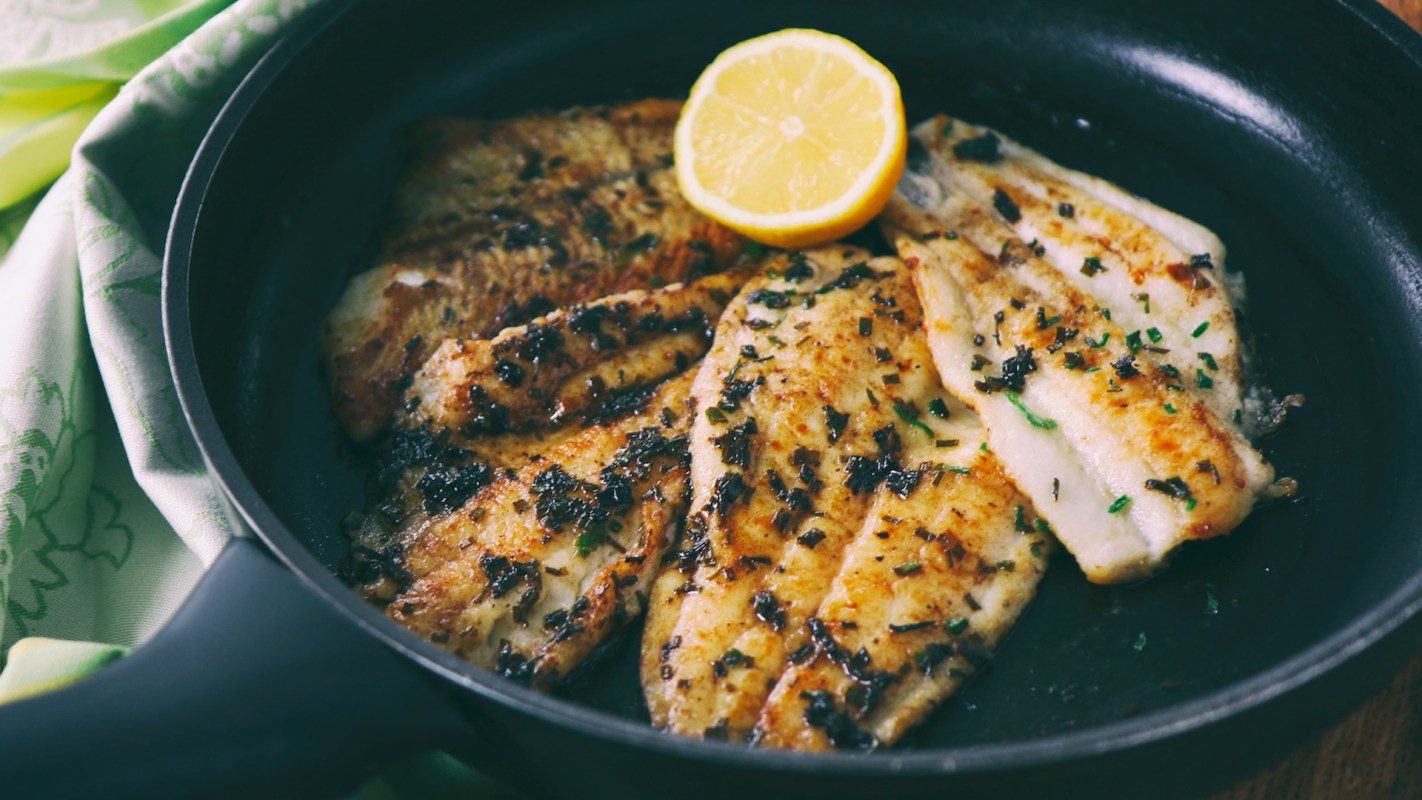
Massachusetts officials are trying to make flounder the state's next breakout food trend — not because it is flashy, but because there is much to gain if more diners choose a plentiful local fish over a handful of overburdened favorites.
If people start ordering and cooking more flatfish, coastal communities could benefit from stronger local seafood markets while pressure eases on species that have long dominated American plates, The Independent reported.
Here's what to know
Massachusetts' Division of Marine Fisheries is using a campaign called "Flat is Back" to steer more residents toward flounder, a local fish that remains plentiful and inexpensive even though consumers more often choose shrimp, salmon, and canned tuna.
Data from 2023 showed that just 10 species made up more than three-quarters of the seafood consumed in the United States. Mass DMF Director Dan McKiernan has framed that as both a cultural challenge and an opportunity, since heavy demand for a small set of familiar fish can leave other abundant stocks underused.
McKiernan said the state hopes the campaign will broaden tastes while helping local fishing communities.
"We hope that this program can help people get an appreciation for some of the other species of fish, so that seafood can be, surprisingly, fun," he said.
TCD Picks » Quince Spotlight
💡These best-sellers from Quince deliver affordable, sustainable luxury for all




As part of the effort, the agency formed the Massachusetts Flounder Chef Council in August. It brought together 10 chefs from Boston and other coastal areas to create dishes built around flatfish.
More background
The campaign reflects a push from local seafood advocates for a sturdier dock-to-table system that keeps more regional catch in nearby markets and gives small fishing operations steadier outlets.
McKiernan has also emphasized flounder's nutritional value, noting that a 100-calorie serving contains about 20 grams of protein and little saturated fat. That message comes as cod continues to hold a place on many plates despite years of stock declines, while flounder remains widely available.
Chef Josh Riazi of Servedwell Hospitality, who leads culinary direction at restaurants including The Black Whale, Candela Cucina, and The National Club, said flounder's image problem may partly come down to presentation.
"It's a really delicious, beautiful fish that can be prepared in a way that's great and special if you put a lot of technique into it, but it doesn't tend to populate menus the same way that salmon or swordfish or cod do," Riazi said.
Wider acceptance of local species could mean more affordable seafood choices and fresher seasonal options, while keeping more food dollars circulating closer to home in fishing ports.
What's being done?
To raise flounder's profile, Massachusetts is using chefs, tasting events, and digital outreach aimed in part at younger consumers who may not have grown up cooking it.
At a Sept. 14 tasting at the Boston Fish Pier, the chef council showcased dishes that participating restaurants planned to serve. One example is at The Black Whale restaurant, where Riazi has been offering a stuffed, baked sole inspired by classic New England cooking; Servedwell Hospitality owner Steve Silverstein said the dish has sold steadily.
Officials are also considering schools as another access point. During an August meeting of the Marine Fisheries Advisory Commission, seafood marketing coordinator Wendy Wills suggested introducing flounder into public schools, noting fish sticks made with lesser-known species: "The kids go nuts for it."
Where can I learn more?
Massachusetts isn't alone in trying to shift what seafood diners reach for. In other places, chefs and officials are promoting species that are abundant, underused, or ecologically disruptive to help local waters and fishing communities.
• In Hawaiʻi, officials want restaurants to put destructive taʻape fish on menus to protect reefs.
• In Louisiana, a chef is turning monstrous invasive fish into meals to slow their spread.
• In China, communities are leaning on invasive crayfish dinners as a way to protect waterways.

Get TCD's free newsletters for easy tips, smart advice, and a chance to earn $5,000 toward home upgrades. To see more stories like this one, change your Google preferences here.







