


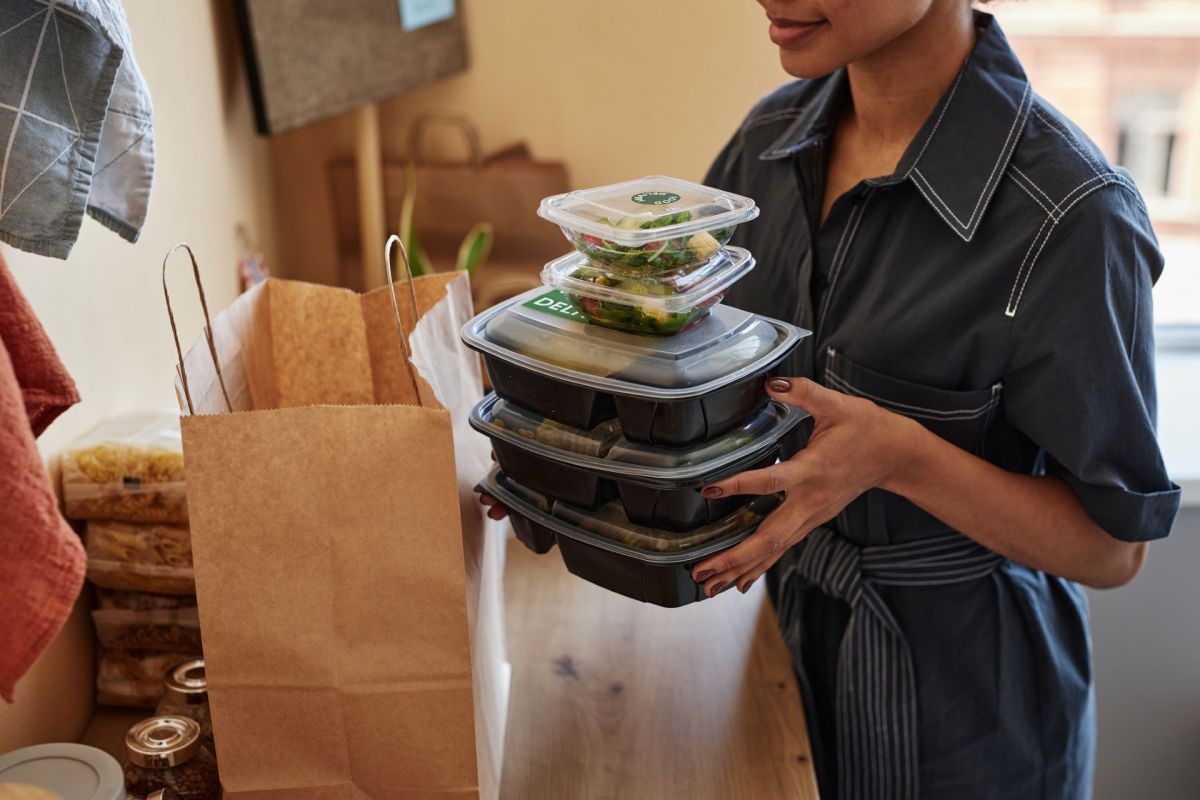
Santa Barbara nonprofit Organic Soup Kitchen and Lompoc Valley Medical Center are partnering to help close a food access gap after Lompoc lost its Meals on Wheels program, according to KSBY.
Rather than using a standard menu, the program sends meals designed around patients' medical needs to their homes.
Here's what to know
KSBY reported that the meals target people managing chronic conditions such as diabetes and obesity, along with related metabolic illnesses.
Hospital officials said the gap left by the previous program was large. Lindsey Arevalos, senior director of operations at Lompoc Valley Medical Center, said Meals on Wheels reached many people in the city before ending in 2025, KSBY reported. "When we were doing Meals on Wheels, we served an average of about 1,600 meals a month to just clients within the Lompoc community," Arevalos said.
"They've received inquiries from about 50 patients from the community prior to coming here," Arevalos explained. "We are hoping to grow that as well to get more patients on board."
The meal service is limited to Medi-Cal patients with chronic illnesses, with deliveries going directly to their homes.
TCD Picks » Quince Spotlight
💡These best-sellers from Quince deliver affordable, sustainable luxury for all




More background
The expansion treats food support as part of health care, not just hunger relief. In Lompoc, the program arrives after one prepared meal option disappeared, leaving residents with chronic illnesses to juggle food concerns alongside their health issues.
Aaron Poirier, chief operating officer at Lompoc Valley Medical Center, said the partnership also addresses priorities from the community's 2025 needs assessment. "Healthy lifestyle was one of those areas," Poirier noted. "Lack of time and money for people to really prioritize healthy health, so we are kind of tackling through this new partnership."
The program could mean fewer obstacles for someone already balancing medical appointments, dietary restrictions, and a limited budget. In this case, the focus is on Lompoc residents whose health conditions make reliable access to prepared, appropriate meals especially important.
What's being done?
Organic Soup Kitchen said its process is built for people with specific medical conditions rather than general meal distribution. Andrea Slaby, the organization's chief operating officer, said flash-freezing keeps the meals fresh and holds onto their nutrients.
Slaby said the approach is backed by research on medically tailored meals. "Clinical trials and tests nationally show that anyone that receives medically tailored meals over a set period of time have less doctor visits, less E.R. visits, you know, less health issues because they're eating whole, complex ingredients," Slaby said.
DoorDash will drop off meals at participants' homes once a week, and residents who qualify can get as many as 14 total.
Poirier said the hospital may expand the program to other Medi-Cal patients in Lompoc who qualify.
Where can I learn more?
Lompoc's new meal partnership is part of a push to get healthier food to people who need it most. The articles below look at food rescue, large-scale meal distribution, purchasing policy, and nutrition access in other communities.
• In California, state-backed food rescue is redirecting surplus meals to families in need.
• Worldwide, food banks provided 1.7 billion meals while keeping edible food out of landfills.
• In Cincinnati, volunteers transport excess festival dishes to shelters when food is stranded.
• Illinois officials adopted good food purchasing rules to steer institutions toward healthier sourcing.
• Across Africa, a nonprofit is expanding nutritious food access in underserved communities.

Get TCD's free newsletters for easy tips, smart advice, and a chance to earn $5,000 toward home upgrades. To see more stories like this one, change your Google preferences here.







