


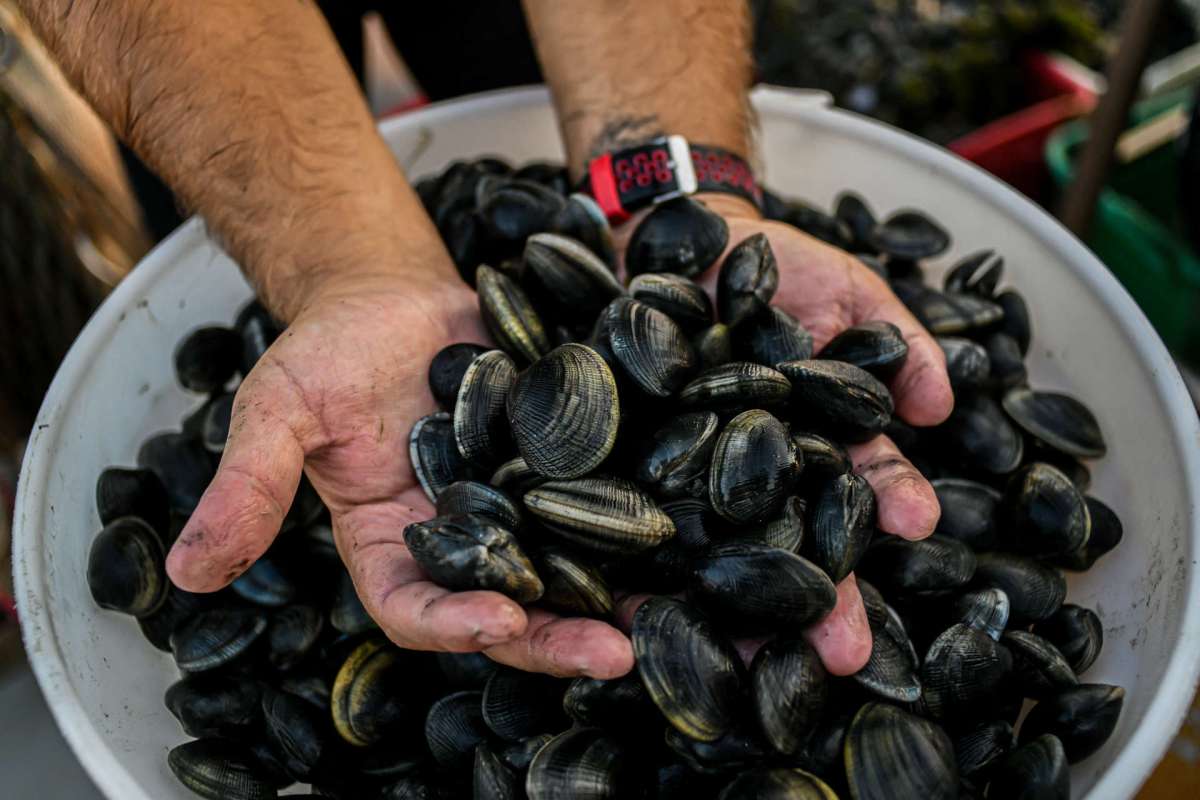
A federal warning has been issued after an imported black clam product was tied to a hepatitis A outbreak that has sickened dozens of people and hospitalized most of them.
The frozen shellfish item was sold under the La Serranita brand and imported from Ecuador.
Here's what to know
The Centers for Disease Control and Prevention and FDA are still investigating the outbreak, which had reached 37 people as of Sept. 17.
According to Food Safety News, the Food and Drug Administration is urging people not to eat, sell, or serve La Serranita-brand concha negra (black shell) shell meat imported from Ecuador. The product was sold in 16-ounce plastic packages.
Illnesses began between July 30, 2025, and June 23, 2026, and 30 of the 37 people infected have been hospitalized.
The CDC said raw or undercooked clams may have caused the illness in this outbreak. State and local public health officials asked patients about foods they had eaten in the 15 to 50 days before they became ill. Among those interviewed, 77% had eaten ceviche, 76% had consumed raw or undercooked shellfish, and 47% had eaten conchas negras raw or undercooked.
TCD Picks » Quince Spotlight
💡These best-sellers from Quince deliver affordable, sustainable luxury for all




The product may have been distributed beyond the initial areas the FDA identified, which said it went to restaurants and retailers in Connecticut, Massachusetts, New Jersey, New York, Ohio, and Pennsylvania.
More background
Caused by the hepatitis A virus, hepatitis A is a contagious liver infection. Contaminated food may still look normal and may not smell or taste unusual, and freezing does not kill the virus.
Symptoms may not appear immediately. When they do, they usually emerge two to seven weeks after infection, with an average onset of about 28 to 30 days. Symptoms can include fever, stomach pain, vomiting, diarrhea, dark urine, light-colored stools, joint pain, loss of appetite, fatigue, and yellowing of the skin or eyes.
Adults are more likely than children to develop symptoms, and the illness typically lasts less than two months, though in some cases it can continue for up to six months.
What can be done?
The FDA warning advises consumers not to eat the La Serranita-brand concha negra product from Ecuador.
Restaurants and food retailers have also been advised not to sell or serve the product. Businesses should dispose of it or contact their distributor to arrange for its destruction, the FDA said.
Where can I learn more?
Federal scrutiny of shellfish safety extends beyond this hepatitis A outbreak, including FDA clam enforcement, seafood-safety policy changes, and emerging contamination concerns.
• At U.S. ports, the FDA blocked clam shipments with dangerous chemicals from China.
• U.S. seafood regulators faced pressure after concerning new government deregulation alarmed industry experts.
• The IAEA launched a global seafood health project focused on hidden microplastics risks.
• Fish farms are under scrutiny as nylon nets shed microplastics into surrounding waters.

Get TCD's free newsletters for easy tips, smart advice, and a chance to earn $5,000 toward home upgrades. To see more stories like this one, change your Google preferences here.







