


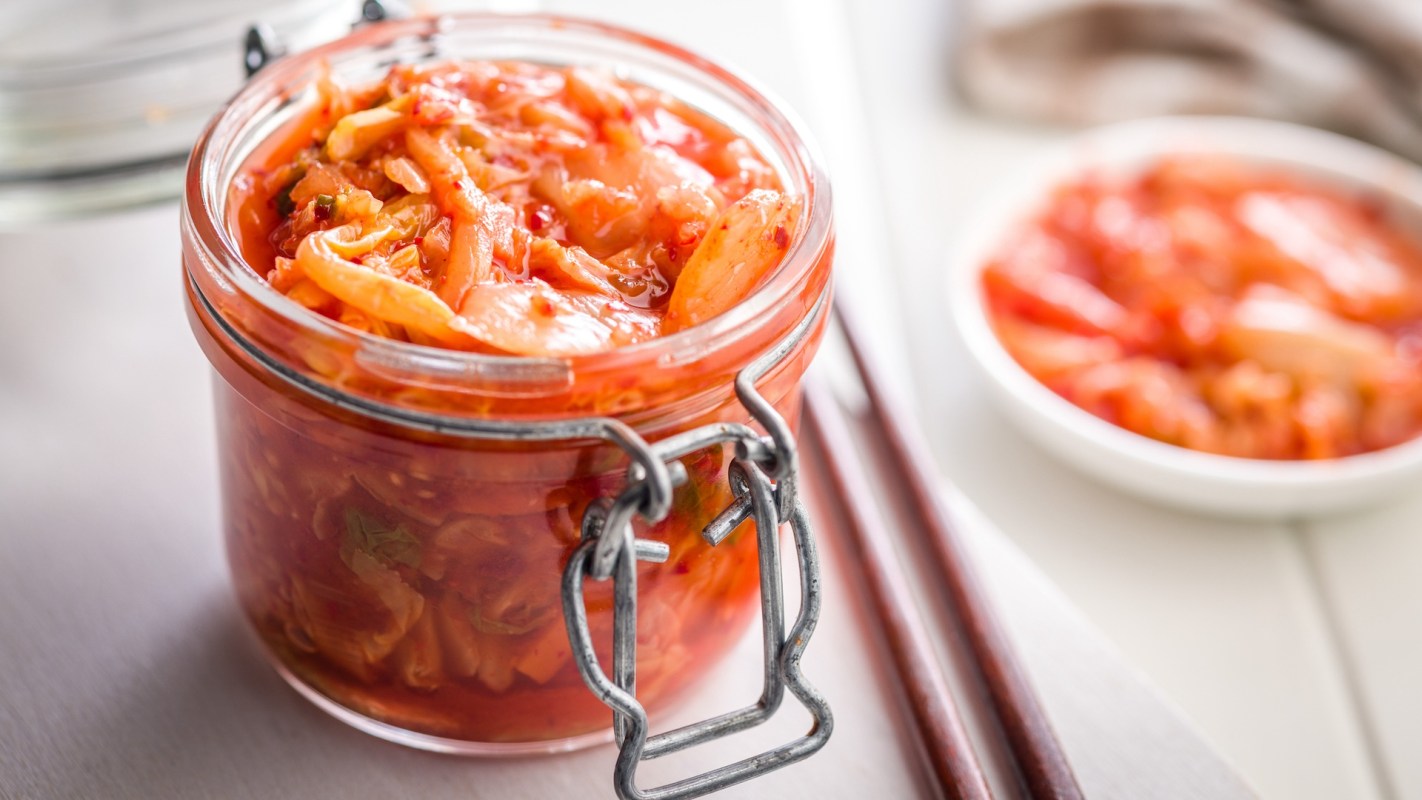
Scientists are investigating how kimchi, a widely eaten Korean side dish, can be an unlikely ally against microplastics.
In early testing, bacteria associated with kimchi appeared to latch onto some of these tiny plastic bits in the digestive tract and help carry them out of the body.
What happened?
Tiny bits of plastic have turned up in places researchers did not expect, including human blood, lungs, and placentas. Because microplastics can enter the body through food, water, and air, their spread has become a mounting public health concern.
As those detections accumulate, scientists are trying to gauge both the scale of everyday exposure and whether there are ways to reduce it.
According to The Jerusalem Post, one early study isolated a lactic acid bacteria strain from kimchi and found signs it might help move microplastics through the digestive system.
Mice given the probiotic passed about twice as much microplastic in their stool as mice that did not get it. In separate lab testing, the same bacteria attached to 57% of the microplastic particles researchers evaluated.
TCD Picks » Quince Spotlight
💡These best-sellers from Quince deliver affordable, sustainable luxury for all




Even so, those findings don't confirm that eating ordinary kimchi would work the same way in people. Human studies are still needed to learn whether this bacterial strain can help the body clear these particles through digestion.
Why does it matter?
Microplastics are hard to avoid completely, given how widespread they've become, and scientists are still working to understand what health effects they may have.
This study does not offer a confirmed treatment. Instead, it suggests the gut microbiome may play a role in how the body responds to plastic exposure, pointing to a potentially practical, food-based avenue for future research.
Kimchi is also already associated with broader digestive benefits. As a fermented food, it contains beneficial bacteria that can support gut health, while its fiber may help nourish those microbes.
Cabbage, along with staples like garlic, chili pepper, and ginger root, gives kimchi its antioxidant content, too.
While the microplastics angle is still developing, scientists are exploring whether an everyday dish might hold clues to a modern problem.
What can I do?
Reducing unnecessary plastic exposure can also help. Using nonplastic drink containers when possible, choosing kitchen tools made from glass, stainless steel, wood, or silicone, and avoiding microwaving food in plastic can all limit the possibility of microplastics entering the body.
Kimchi is not a proven solution, but it is a promising lead. If future human studies confirm the early mouse findings, a familiar fermented food could become part of the strategy for limiting the toll of microplastics.

Get TCD's free newsletters for easy tips, smart advice, and a chance to earn $5,000 toward home upgrades. To see more stories like this one, change your Google preferences here.







