


Archaeologists in Peru have recovered two potato lumps from an Inca storeroom dating back about 500 years, and the pieces still appear strikingly well preserved.
The find offers a window into how the Inca, one of history's largest empires, stored food that could be used years later.
What happened?
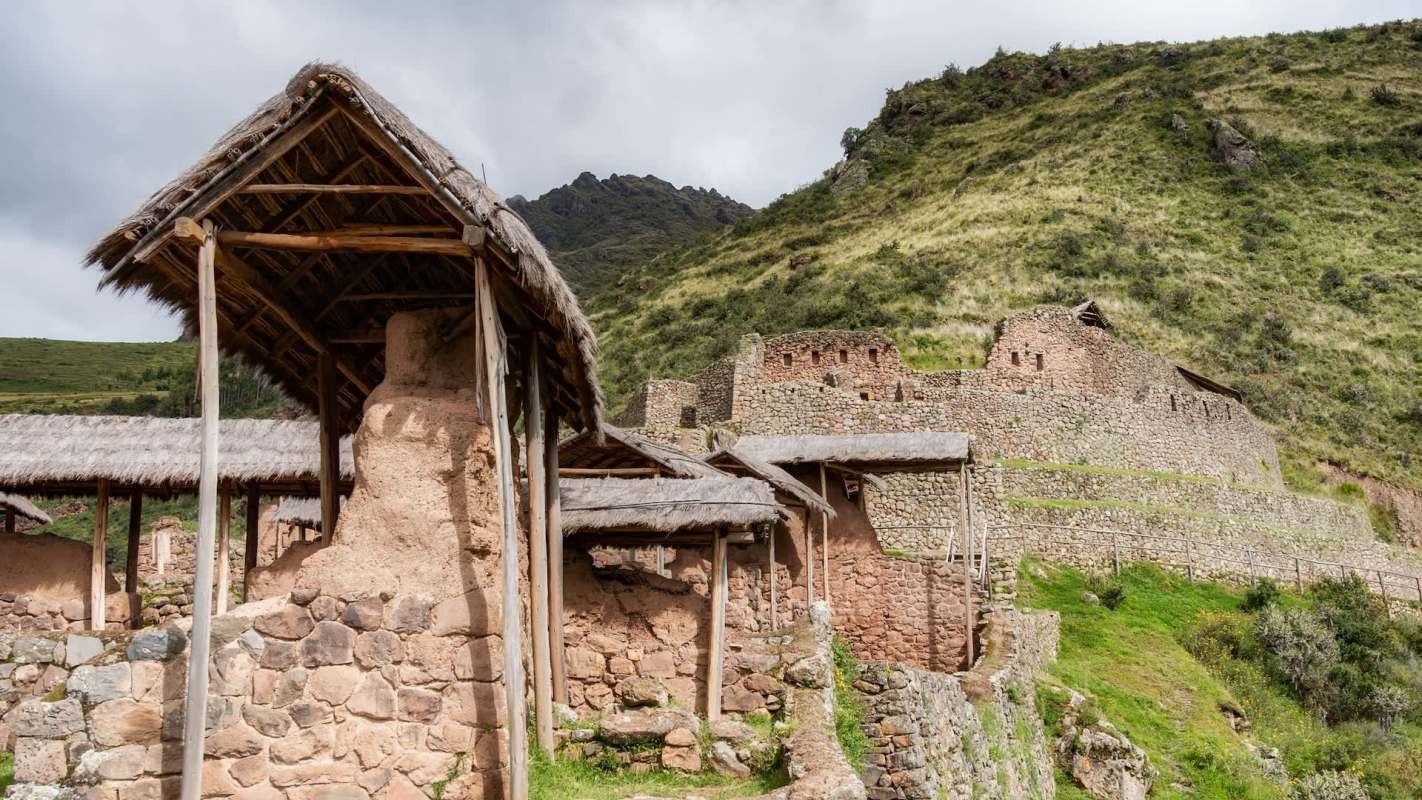
At Tambo Viejo, an Inca provincial center in Peru's Acarí Valley, archaeologists found two pieces of chuño — freeze-dried potato — inside a damaged clay pot embedded in the floor of a small storage room. According to Live Science, researchers said the potatoes are around 500 years old and come from the period before the Spanish invasion.
That is especially significant because chuño rarely survives at archaeological sites, even though it was an important part of the Inca food system.
In a paper published in the Journal of Field Archaeology, principal investigator Lidio Valdez and co-author Katrina Bettcher described the potatoes, along with other nearby finds, including an Inca pottery fragment and a broken spindle whorl.
Valdez said the significance of the discovery became clear almost immediately. "Almost at the base of the vessel, the two samples of freeze-dried potatoes were found," he said. He added, "They showed me without knowing what they were, and right away I said: chuño!"
TCD Picks » Quince Spotlight
💡These best-sellers from Quince deliver affordable, sustainable luxury for all




Why does it matter?
According to Live Science, chuño was produced by exposing potatoes to freezing nights and sunny days again and again until most of their moisture was gone. The process created a light food that could be stored for decades, making it useful for moving supplies across long distances.
Because potatoes are about 80% water, they spoil quickly in warmer, lower-elevation places. Since chuño could be made only at high elevations above about 11,800 feet, the potatoes found at Tambo Viejo were likely brought from the Andes to Peru's south coast by llama caravan along the Inca road network.
That makes the discovery physical evidence of an organized food supply system that existed long before refrigeration. It also highlights a preservation method that helped reduce spoilage and gave communities a longer-lasting food reserve.
What are people saying?
Valdez said one practical advantage of the preserved food was how easy it was to move, saying, "Chuño being a light product probably also made its transportation easier." He said the ancient method also speaks to a modern problem.
"We still have so much to learn from the people of the past," he said. He added, "Food security is a main concern, even in our times; yet we waste food, perhaps more than at any time in human history."
Valdez expects more evidence of chuño to appear as archaeologists keep excavating coastal Inca sites. Researchers also said the Acarí Valley's dry conditions likely helped the potatoes survive for centuries.

Get TCD's free newsletters for easy tips, smart advice, and a chance to earn $5,000 toward home upgrades. To see more stories like this one, change your Google preferences here.







