


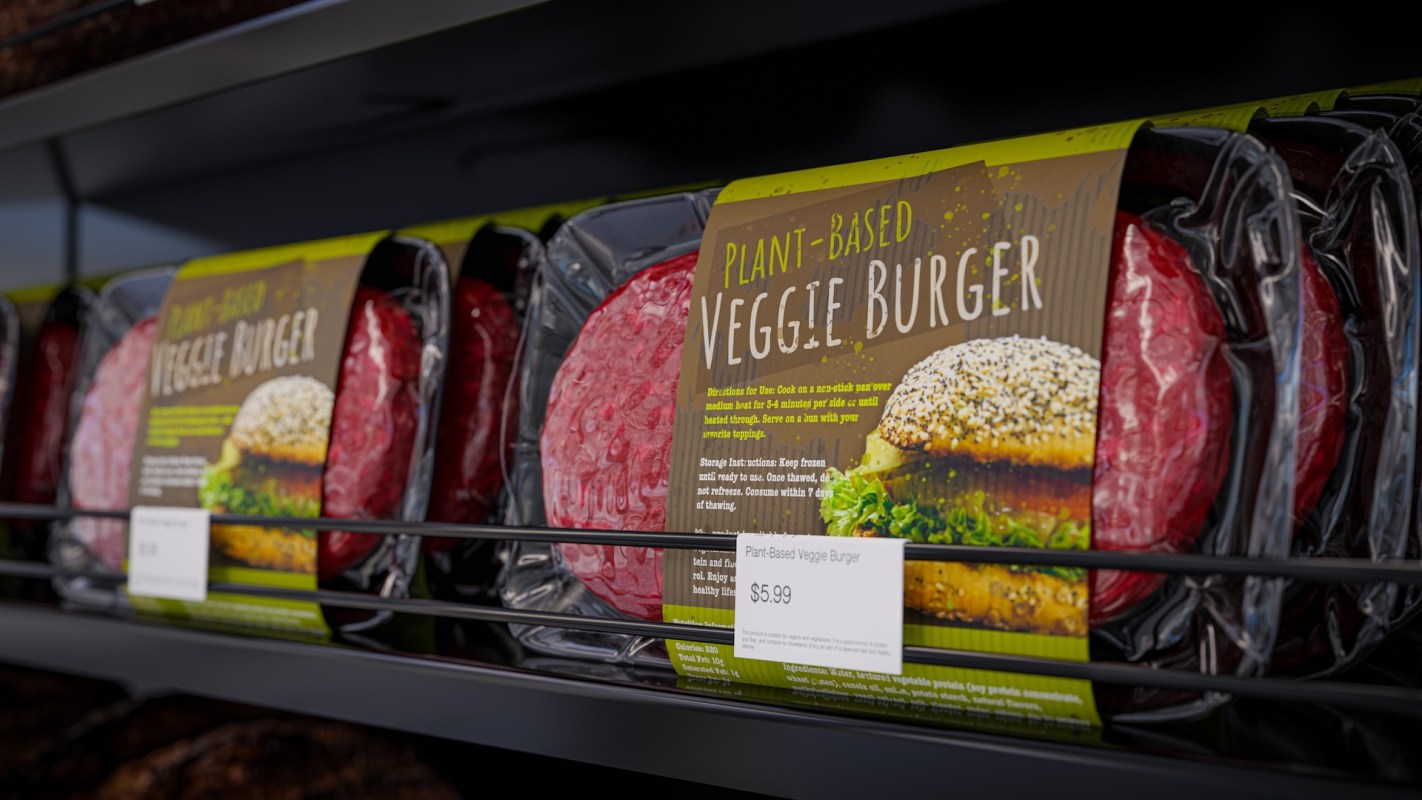
EU lawmakers voted to bar plant-based foods from using some meat-linked terminology, while leaving labels like veggie burgers and certain other familiar meat-free names untouched.
The move could make an already crowded grocery aisle even more confusing for shoppers trying to eat less meat for health, climate, or animal welfare reasons.
What happened?
On June 16, The Straits Times reported that the European Parliament backed a measure that would prevent plant-based foods from using a range of meat-related labels.
The proposal still needs approval from EU member states, but it would hand livestock producers a significant victory. They argue that plant-based products styled to resemble meat can mislead shoppers and damage their industry.
The word "meat" itself would be reserved under the text, and plant-based products would also be barred from using terms including "veal," "pork," "chicken," "turkey," "duck," and "lamb."
By defining meat as the "edible parts of animals," the measure would also keep that wording off lab-grown and cell-based products.
TCD Picks » Quince Spotlight
💡These best-sellers from Quince deliver affordable, sustainable luxury for all




Still, lawmakers stopped short of a broader crackdown. Under a March compromise, plant-based foods would still be allowed to use terms such as "burger" and "sausage," preserving some of the wording many consumers already recognize when browsing store shelves or restaurant menus.
Why does it matter?
Labels help consumers make quick decisions about what they want to cook, how a product is intended to be used, and whether it aligns with their budget or personal values.
If familiar shorthand disappears, people trying to cut back on meat could have a harder time identifying lower-impact alternatives.
BEUC consumer group data show that consumption of meat alternatives has risen fivefold since 2011, driven by animal-welfare concerns, greenhouse gas emissions tied to livestock farming, and health considerations.
Words such as "steak" or "bacon" can serve as useful signals for taste, texture, or preparation for families trying to make more climate-friendly swaps without completely changing their routines.
The rules would initially apply only through the end of 2027, and further negotiations are already underway ahead of the next review of the EU's CAP farm subsidy system.
What are people saying?
Backers cast the vote as a victory for farmers.
Celine Imart, a cereal farmer and French right-wing lawmaker who sponsored the proposal, said: "This is a victory for our producers, for their expertise and for the clarity owed to consumers."
Critics, however, have strongly pushed back. German food retailers — operating in Europe's biggest market for plant-based alternatives — joined environmentalists and consumer advocates in opposing the measure.

Get TCD's free newsletters for easy tips, smart advice, and a chance to earn $5,000 toward home upgrades. To see more stories like this one, change your Google preferences here.







