


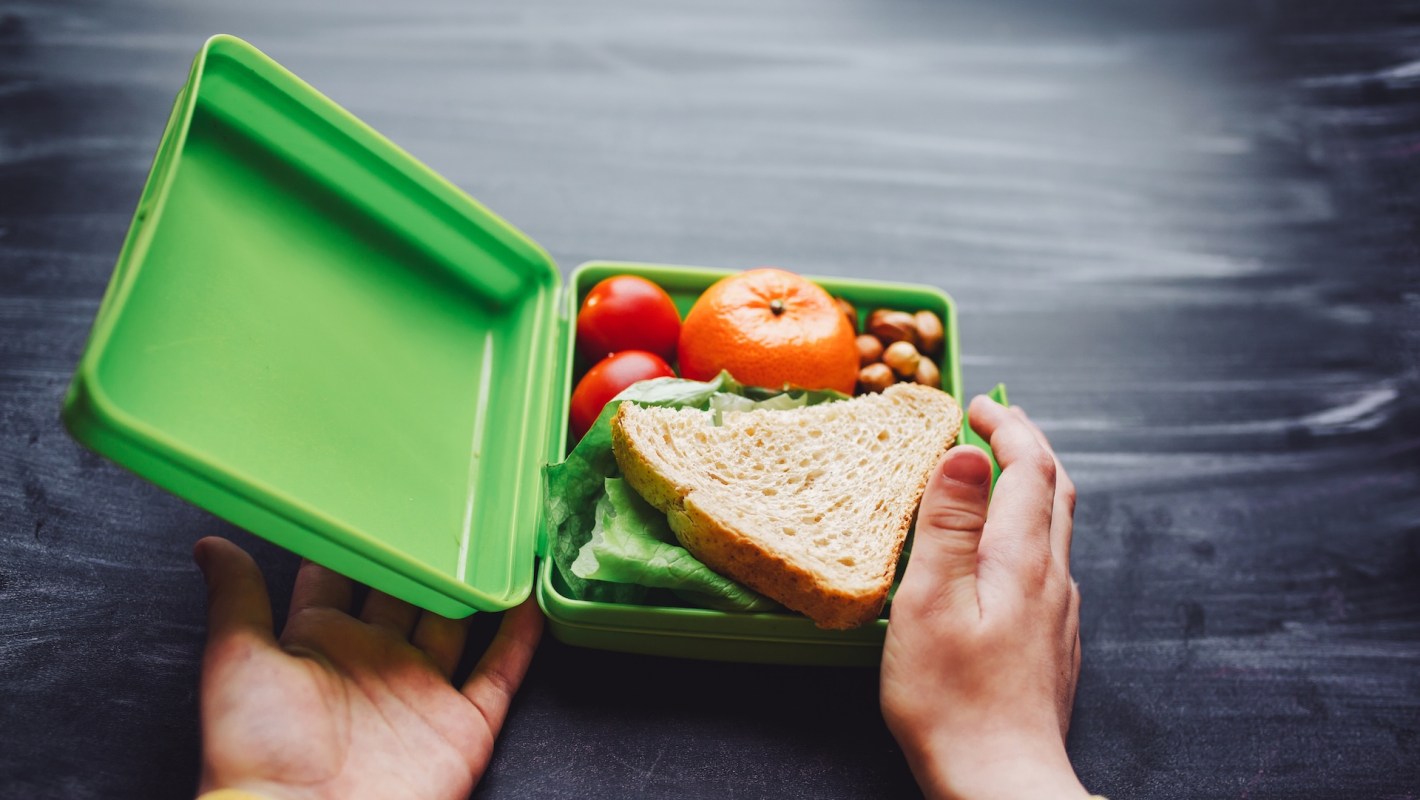
The European Union is preparing to phase out a chemical found in many common food containers, from canned goods to reusable lunch boxes, in a move that could reshape packaging across the bloc and reduce a source of exposure linked to a range of health concerns.
What's happening?
Yahoo News reported that, according to Deutsche Welle, EU rules due to take effect in July 2026 would stop food-packaging products made with bisphenol A, known as BPA, from being sold, widening existing restrictions that already apply to products like baby bottles and thermal paper receipts.
Used in manufacturing polycarbonate plastic and epoxy resin, BPA is a synthetic compound used in the linings of metal cans, where the resin coating helps prevent corrosion and the release of metal ions into the food or drink inside.
BPA shows up in multiple parts of the packaging supply chain, including some plastic films, adhesives, and printing inks. This upcoming restriction applies to both throwaway food packaging and durable household items, such as plastic beverage bottles, lunch boxes, and kitchen utensils.
Why does it matter?
As Deutsche Welle noted, the European Food Safety Authority says chemicals like BPA can transfer in small amounts from packaging materials into the foods and beverages they contain.
Based on this assessment, the agency has stated that BPA represents a "potential health concern for all age groups" and has warned that the substance may affect parts of the immune system, with possible ties to asthma and autoimmune diseases.
TCD Picks » Quince Spotlight
💡These best-sellers from Quince deliver affordable, sustainable luxury for all




Reported complications extend beyond that as well, with evidence linking BPA exposure to cardiovascular disease, diabetes, obesity, fertility issues, shifts in the timing of puberty, and certain cancers.
What's being done?
The ban on BPA in cans will not take full effect immediately, with some products allowed to remain on a transition schedule for a couple of years to give them time to find alternatives.
The EU is building in extra time for harder-to-replace applications: in narrowly defined cases, products may use the transition period through 2028 when alternatives are still unsuitable, including cans for acidic foods that continue to rely on BPA-based inner coatings.
The EFSA has sharply lowered its tolerable daily intake for BPA, reducing it from 4 micrograms to 0.2 nanograms for each kilogram of body weight. Over an average lifespan, this amount has been deemed reportedly safe, Deutsche Welle noted.
Continued government efforts to restrict chemicals that carry harmful risks to everyday customers pave the way for a healthier future and safer products for everyone.

Get TCD's free newsletters for easy tips, smart advice, and a chance to earn $5,000 toward home upgrades. To see more stories like this one, change your Google preferences here.








