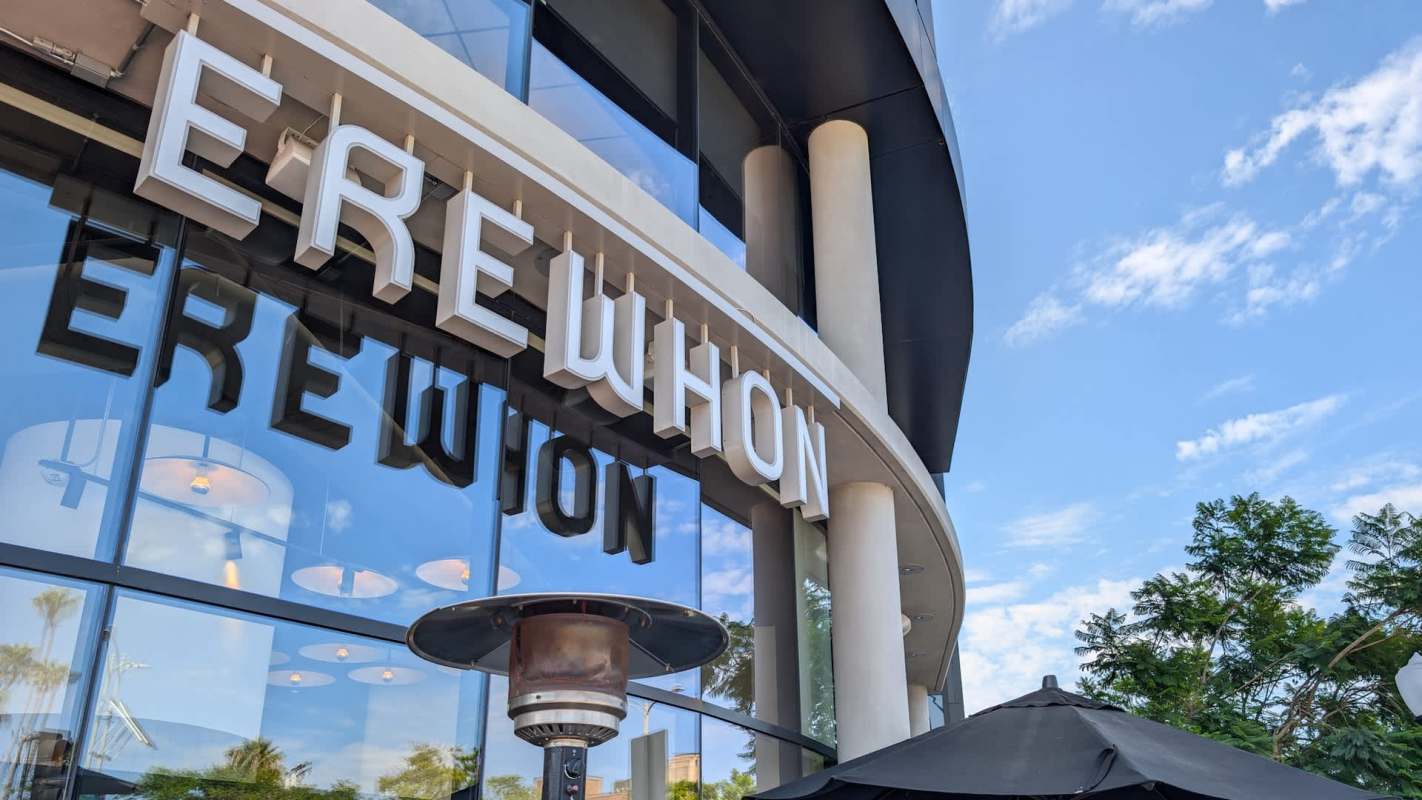
Erewhon, the luxury Los Angeles grocery chain known for turning everyday groceries into high-end purchases, has debuted a $12 drink called "Sacred Water," one of its clearest examples yet of ordinary products repackaged as upscale wellness buys.
The steep price has not discouraged supporters online; commenters are already praising the drink, and one said it was good enough to buy twice.
What happened?
Last week, Erewhon introduced "Sacred Water" at its Tonic Bar. The launch fits the upscale wellness image that has brought the Los Angeles grocery chain both attention and criticism for its expensive products.
The beverage was created with shower filter company Jolie, according to KTLA.
On Instagram, Erewhon described the beverage as "A clarified herbal tonic infused with Organic Jasmine Tea and Botanical Extracts — served as a refreshing elixir poured over ice."
According to the ingredient list, it contains organic coconut water, jasmine tea, raw honey, holy basil, anise hyssop, green cardamom, white grape juice, and coconut milk.
TCD Picks » Quince Spotlight
💡These best-sellers from Quince deliver affordable, sustainable luxury for all




The $12 price tag has not stopped online enthusiasm.
One Instagram follower commented, "Please never get rid of this!"
On Jolie's Instagram page, another fan wrote, "Okay... I had to grab two. It was that good."
Jolie said the drink will be sold through the end of September at Erewhon's 13 Los Angeles County locations.
Why does it matter?
This is another flashy product launch from a luxury grocery chain, which repackages basic ingredients as exclusive wellness experiences and sells them at prices far beyond what many shoppers can reasonably justify.
Amid stubbornly high food costs, a $12 iced tonic marketed as "Sacred Water" can feel less like innovation and more like an example of branding inflating value.
Coconut water, tea, honey, and herbs are not inherently unusual ingredients, yet the right aesthetic, language, and partnership can turn them into a status product.
Past launches have brought similar scrutiny to Erewhon's pricing, including Hailey Bieber's $18 Strawberry "Skin Glaze" Smoothie.
That kind of pricing may work for a celebrity-heavy customer base, but it also helps normalize overspending on products that are functionally easy to recreate for far less.
Luxury wellness marketing can blur the line between a fun treat and a business model built around convincing consumers that ordinary products deserve extraordinary markups.
What can I do?
Looking at the ingredient list can quickly reveal whether a trendy item is genuinely unique or mostly a premium spin on pantry staples.
If a drink like this sounds appealing, making a version at home could cost a fraction of the price. Jasmine tea, coconut water, honey, and a few herbs or spices can provide a similar flavor profile without turning one refreshment into a double-digit expense.
When brands lean heavily on purity, exclusivity, or wellness language, it is worth pausing before buying in. Not every premium product is a scam, but consumers are often better off asking what they are really paying for: better ingredients or better marketing.

Get TCD's free newsletters for easy tips, smart advice, and a chance to earn $5,000 toward home upgrades. To see more stories like this one, change your Google preferences here.