


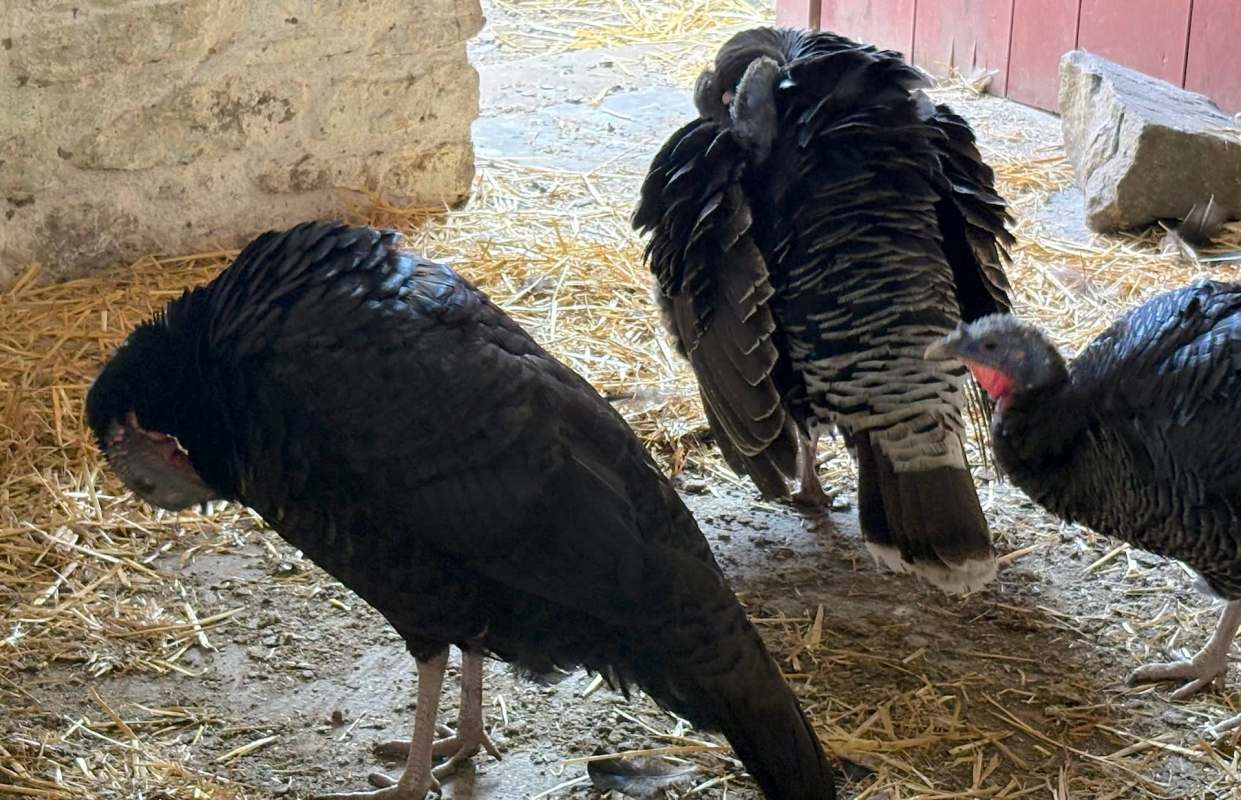
England's poultry producers face bird flu restrictions to protect flocks during a key trading period. As infections spread ahead of Christmas, thousands of turkeys intended for holiday tables must stay indoors.
Here's what to know
Anyone in England keeping at least 50 birds had to move their poultry and other captive birds indoors when compulsory housing measures began Friday, according to Female First.
People who supply eggs, poultry products, or live birds — whether for payment or free — are also covered. That extends the restrictions beyond large commercial farms to smaller keepers.
The U.K. government is responding to rising numbers of highly pathogenic bird flu infections in both wild birds and commercial poultry. H5N1 is among the strains detected.
Poultry producers are preparing for Christmas during a period of greater transmission risk, as migrating birds can spread the virus in winter.
More background
Millions of households in Britain traditionally eat turkey on Christmas Day, and annual British turkey production totals about eight million birds, according to Female First.
TCD Picks » Quince Spotlight
💡These best-sellers from Quince deliver affordable, sustainable luxury for all




The government expects festive supplies to remain unaffected by the restrictions.
Human infection is very unlikely, according to the U.K. Health Security Agency. Properly cooked poultry and eggs remain safe to eat, according to the Food Standards Agency.
What's being done?
According to Female First, every bird keeper in England must already follow strict hygiene and disease-prevention practices under a nationwide prevention zone, even if they have a small flock. Those covered by the housing rules must also keep their birds inside.
U.K. Chief Veterinary Officer Christine Middlemiss urged keepers to act quickly if they suspect an infection.
"Bird keepers are urged to comply with the housing measures and to exercise robust biosecurity, remaining alert for any signs of disease and reporting suspected disease immediately to the Animal and Plant Health Agency," she said, per Female First.
Anyone who comes into contact with bird droppings or feathers should wash their hands thoroughly. Members of the public should not handle sick or dead wild birds.
Middlemiss also acknowledged the impact an outbreak can have on poultry keepers. "Having avian influenza confirmed in your flock can be devastating," she told Female First. "I understand the impact this disease can have on the poultry sector and am extremely grateful for the continued cooperation of the industry."

Get TCD's free newsletters for easy tips, smart advice, and a chance to earn $5,000 toward home upgrades. To see more stories like this one, change your Google preferences here.







