


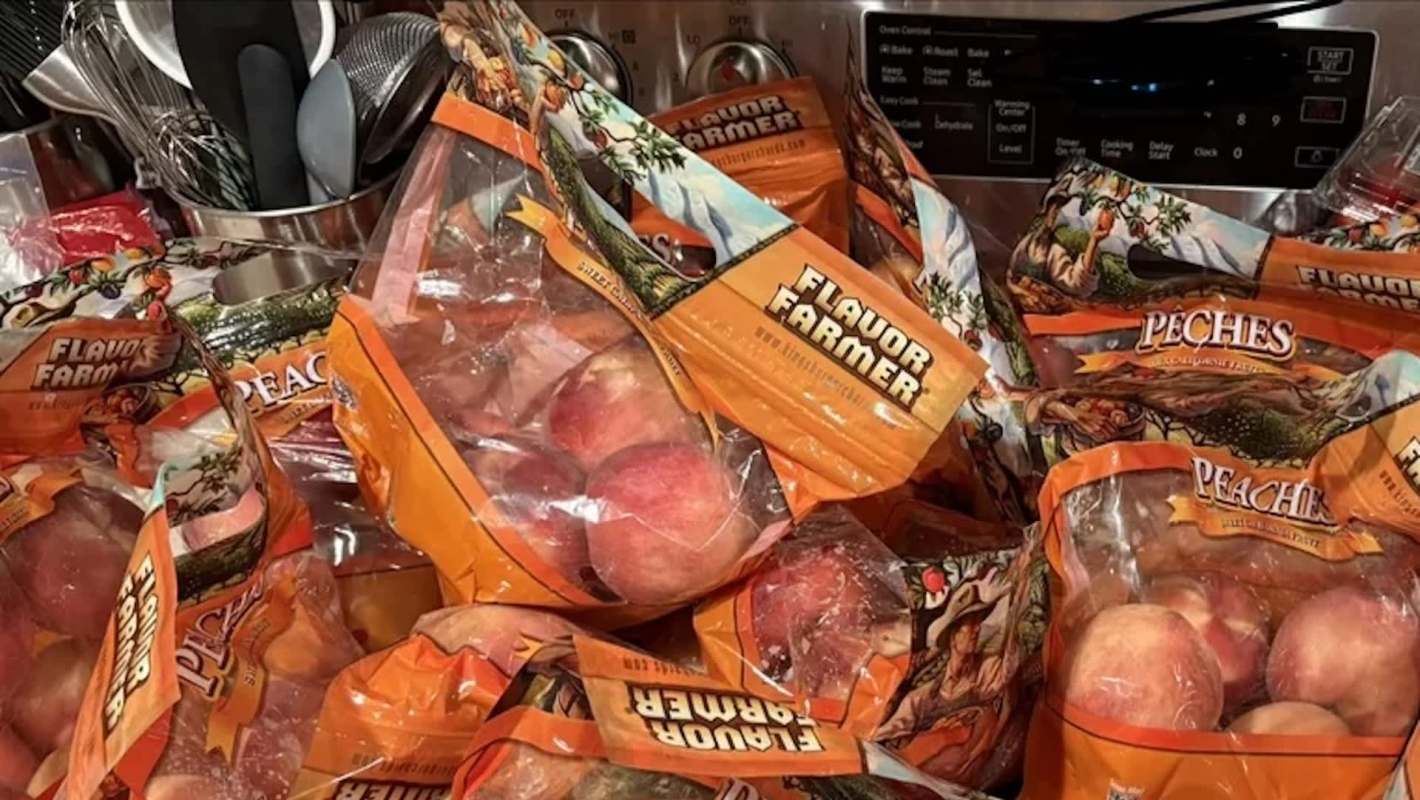
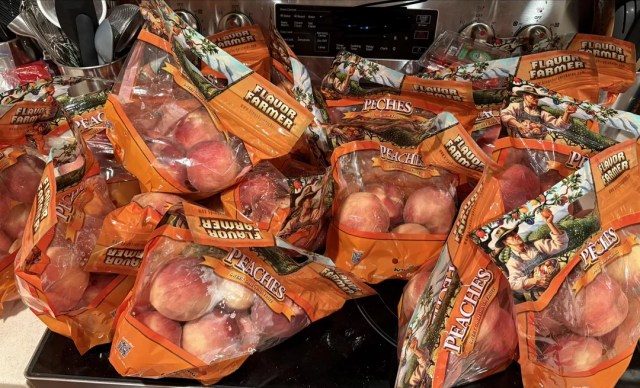
A dumpster diver said one peach haul turned into too many peaches to fit in the freezer. After bringing home a third peach haul, they said the overflow was headed for peach butter instead of the trash.
Here's what to know
Sharing on Reddit's r/DumpsterDiving forum, the poster wrote, "This is my 3rd haul in the last month of peaches! No room for them in the freezer. I've been making peach butter! These are white peaches so they should not be canned."
The replies ranged from cheering to recipe brainstorming. One commenter said, "You can make peach crumble, peach hand pies, peaches with a bit of sugar to make a syrup, and put the mixture on pancakes, overnight oats, or in yogurt."
When someone asked about peach sauce, the OP replied, "I've been making peach butter which is very similar to peach sauce…just cooked down more."
More background
Dumpster-diving posts often show how abundance and waste can exist side by side. A pile of peaches too large for one person's freezer may seem funny on social media, but it also highlights gaps in systems for redistributing surplus food before it gets tossed.
Not everything discarded by a store or distributor is safe to eat, and food must be deemed safe for human consumption before it can be donated to shelters, food banks, or others.
TCD Picks » Quince Spotlight
💡These best-sellers from Quince deliver affordable, sustainable luxury for all




Different foods require different preservation methods, so following tested food-safety guidance matters when people try to can, freeze, or cook down large amounts of produce.
What can be done?
Grocery stores, wholesalers, and farms can mark down ripe produce or partner with food-rescue groups and local charities while the food is still safe.
If produce is no longer suitable for people, there are still better options than sending it to a landfill. Composting and, in some cases, animal-feed programs can keep organic waste out of trash bins while returning nutrients to the soil or creating other value.
The suggestions in the thread amounted to a simple plan for a fruit surplus: freeze whatever will fit, give extra peaches to neighbors, and use the ripest ones in longer-lasting foods such as butter, jam, sauce, syrup, pies, or crumbles. When fruit is especially ripe, cooking it down can be one of the easiest ways to extend its life.
Finding practical ways to use food before it spoils can lower household costs and reduce waste.
Where can I learn more?
One oversized peach haul can quickly turn into a kitchen project, but the bigger issue goes well beyond one Reddit post. Households and businesses are finding ways to keep food and packaging out of the trash.
• In the U.K., Sainsbury's is powering delivery trucks with biofuel made from food waste.
• Home cooks are finding useful ideas to repurpose empty berry containers instead of tossing them.
• A dumpster diver rescued over 100 pounds of dumped dairy, then found a curbside fridge to share it with the community.
Waste-cutting efforts can happen at every step, from a home kitchen to a supermarket fleet.

Get TCD's free newsletters for easy tips, smart advice, and a chance to earn $5,000 toward home upgrades. To see more stories like this one, change your Google preferences here.







