


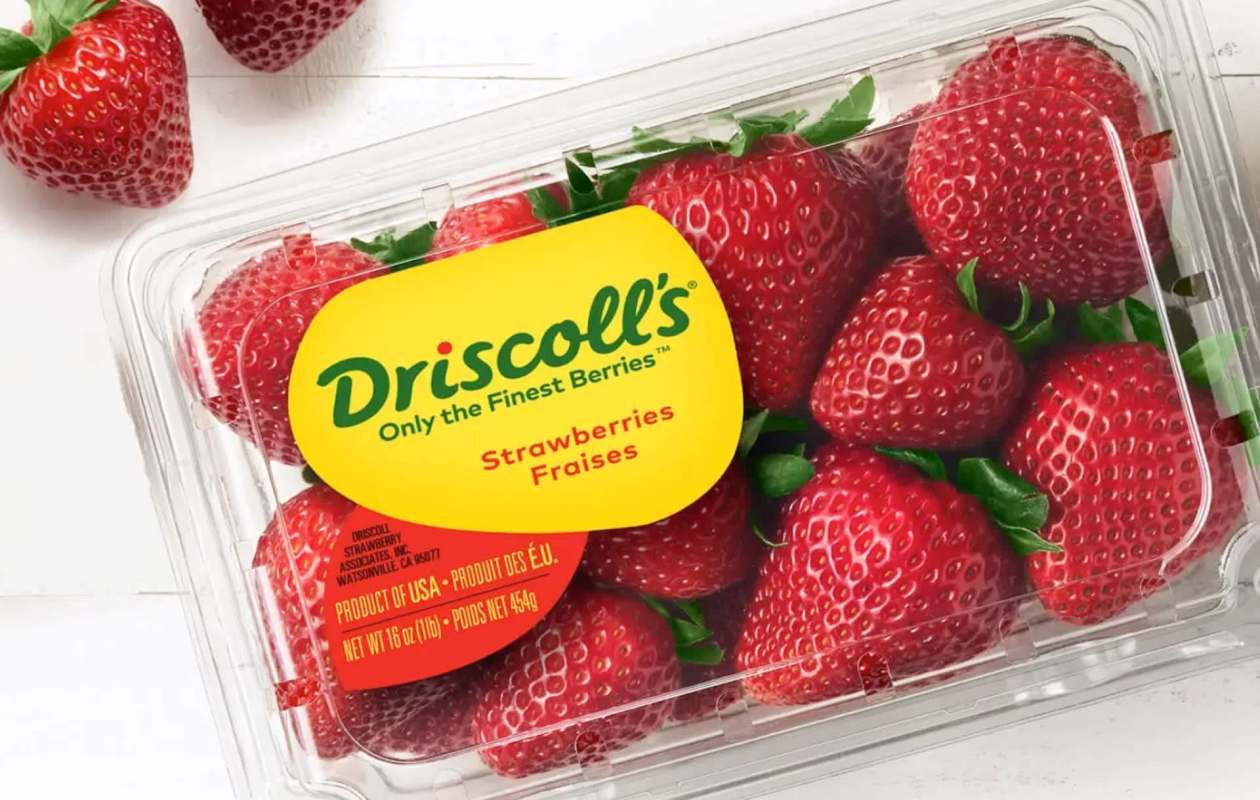
Shoppers who pay more for brand-name berries often assume the fruit was produced under strict food quality and safety standards.
A new class action lawsuit alleges that Driscoll's misled consumers by failing to disclose that its strawberries contained harmful "forever chemicals."
Here's what to know
According to Top Class Actions, plaintiff Christina Washington has brought a proposed class action alleging that Driscoll's did not disclose alleged PFAS-related compounds in its strawberries.
At the center of the complaint is Driscoll's statement that its strawberries are produced with "rigorous food safety and quality standards." Washington argues that consumers were still not told about alleged PFAS-related compounds in the fruit and that these chemicals can cause serious health problems, per Top Class Actions.
Known as per- and polyfluoroalkyl substances, PFAS are widely referred to as "forever chemicals" because they can remain in the environment (and in human bodies) for long periods. Exposure to some PFAS has been associated with serious health concerns.
According to the EPA, "current peer-reviewed scientific studies have shown that exposure to certain levels of PFAS may lead to: Reproductive effects such as decreased fertility… developmental effects or delays in children… Increased risk of some cancers… Reduced ability of the body's immune system to fight infections," among many others.
TCD Picks » Quince Spotlight
💡These best-sellers from Quince deliver affordable, sustainable luxury for all




More background
Food labeling and brand messaging can strongly influence what ends up in a family's cart, especially when products are marketed around purity, quality control, and oversight.
PFAS contamination has become a growing concern across the United States because these chemicals have been detected in water, soil, packaging, and a wide range of consumer goods. That makes fresh produce an especially sensitive category, since shoppers generally have no practical way to detect contamination on their own.
When companies emphasize premium standards in their advertising, those claims can create a sense of trust that goes beyond ordinary marketing language. But too often, these companies are found to prioritize profit margins over their customers' health and safety.
Where can I learn more?
Concerns about PFAS in food sit within a broader wave of lawsuits over chemical exposure and product claims. They also reflect growing scrutiny of how companies market safety, sustainability, and trust when shoppers have no easy way to check those claims for themselves.
• In Dalton, Georgia, families say catastrophic levels of toxic chemicals left them unsure what's safe.
• At Target, some products show how greenwashing can confuse customers over health claims.
• Experts warn that companies are fooling consumers through greenwashing with labels that sound reassuring.
Reassuring marketing can carry a lot of weight when consumers can't independently confirm what's in a product or how it's made. That context helps explain why the allegations against Driscoll's may resonate with shoppers paying close attention to food safety claims.

Get TCD's free newsletters for easy tips, smart advice, and a chance to earn $5,000 toward home upgrades. To see more stories like this one, change your Google preferences here.







