


Severe dehydration and long-lasting explosive diarrhea are symptoms of a recent outbreak sweeping the country, and social media has turned to the blame game as the CDC lacks the resources to identify the source of the outbreak following cuts.
Consumers looking for answers about a growing cyclosporiasis outbreak, a diarrheal illness caused by the Cyclospora parasite, are being told to use extra caution with fresh produce, even as health officials have not confirmed a single source, and no recall has been announced.
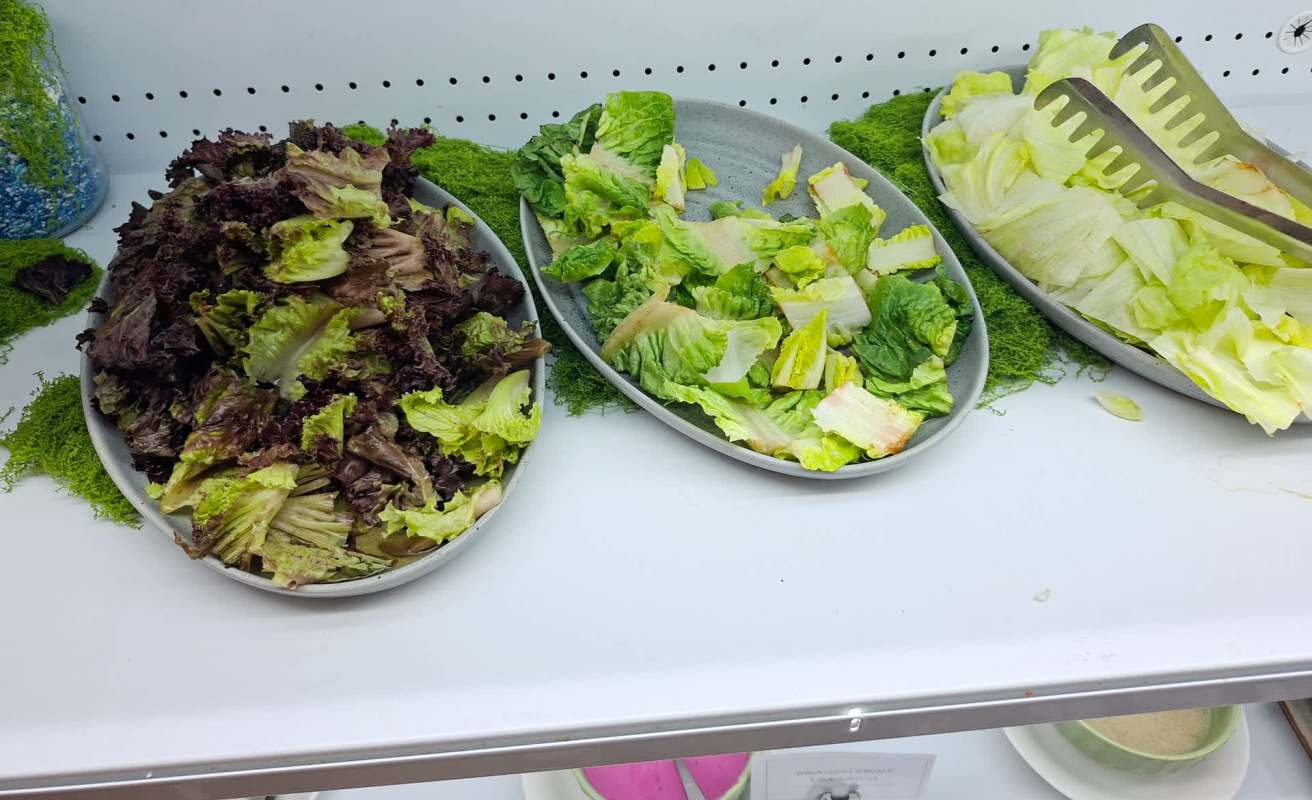
That uncertainty is leaving shoppers to make their own risk calculations in the produce aisle, particularly after Michigan officials pointed to lettuce and salad greens as a possible link.
What's happening?
Michigan has logged about 2,600 cases already, and spokespeople have said on July 13 that "current results point to lettuce or salad greens as a potential source," according to CBS News. The state also urged consumers to choose whole heads of lettuce instead of pre-washed bagged greens while the investigation continues.
At the center of the investigation is cyclosporiasis, an intestinal illness caused by the Cyclospora parasite. It can bring on prolonged, sometimes severe watery diarrhea and dehydration, with kids, seniors, and immunocompromised people facing particular risk.
Because officials have not tied the outbreak to a recalled product, consumers still have no specific item they have been told to avoid. Taco Bell added to the uncertainty by saying it "voluntarily and temporarily removed limited ingredients at select restaurants as a precautionary measure."
TCD Picks » Quince Spotlight
💡These best-sellers from Quince deliver affordable, sustainable luxury for all




Asked what consumers can realistically do, CBS News medical correspondent Dr. Celine Gounder said, "This isn't a problem consumers can solve."
Why does it matter?
Cyclosporiasis can cause explosive diarrhea that lasts for days or longer, and dehydration can become a serious concern. If the source remains unidentified, shoppers may struggle to know whether they are taking enough precautions or focusing on the right foods.
The outbreak also underscores how difficult it can be to trace contamination in a complex food system built around large-scale growing, processing, packaging, and distribution. Even when a problem appears tied to one item, such as salad greens, the underlying issue can involve weak oversight, supply-chain shortcuts, or inconsistent safety practices.
According to CBS News, some public health experts say staffing reductions and changes to disease surveillance may have made it harder to identify the source. Reporting of cyclosporiasis through FoodNet was mandatory until July 2025 but is now optional.
Michigan officials said earlier outbreaks were connected to produce such as bagged salad mixes, cilantro, basil, raspberries, snow peas, and green onions.
What can I do?
Experts say consumers should focus on reducing risk rather than trying to solve the outbreak themselves. As Gounder put it, "We basically have to revert to what you'd tell someone traveling to a developing country: Don't eat fresh produce that isn't cooked and can't be peeled."
Current guidance includes routine food-safety steps as well as Michigan's more specific advice on greens. The CDC recommends washing hands thoroughly and rinsing produce under running water, and CBS News reported that experts advise heating fresh produce to 158 degrees Fahrenheit to eliminate the parasite. If you're buying leafy greens, guidance currently favors whole heads of lettuce over pre-washed bagged options.
Contact a health care provider if you develop prolonged watery diarrhea.

Get TCD's free newsletters for easy tips, smart advice, and a chance to earn $5,000 toward home upgrades. To see more stories like this one, change your Google preferences here.







