For parents trying to make quick, affordable lunchbox choices, a warning from Consumer Reports may add another layer of concern.
Many popular packaged kids' snacks may contain "chemical contaminants" families would be better off avoiding. Yet the consumer watchdog told families not to panic or throw out every granola bar and bag of chips at home.
Here's what to know
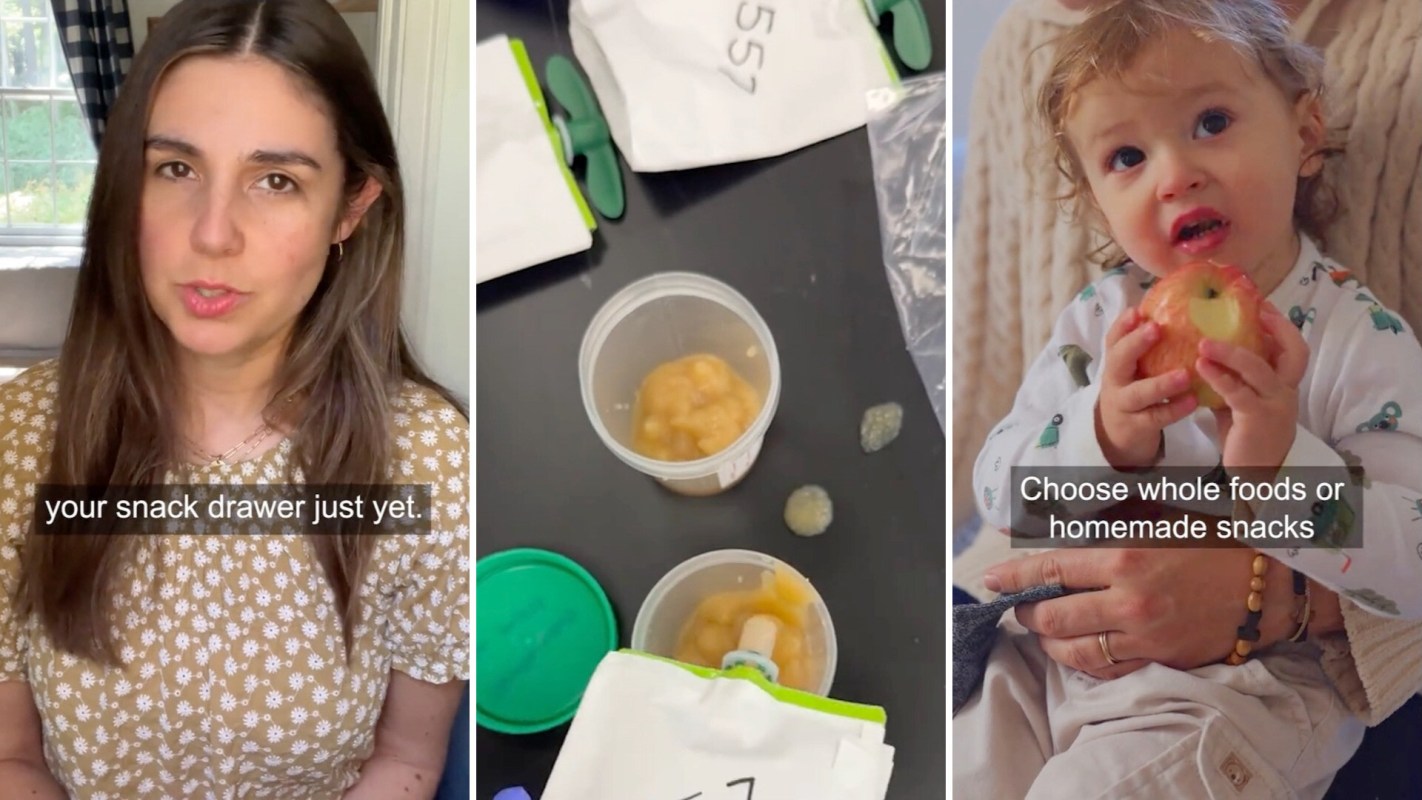
In a TikTok video summarizing its testing, Consumer Reports said it examined 21 popular children's snacks and found concerning levels of at least one chemical contaminant in 14 of them.
@consumerreports Our recent tests of 21 popular kids' snacks found that 14 had concerning levels of at least one chemical contaminant, but you may not need to clear out your snack drawer just yet. We have some simple tips to help reduce exposure and keep snack time low-stress. Read our full investigation at the link in bio. #FoodSafety #KidsSnacks #BackToSchool ♬ original sound - Consumer Reports
The organization presented the findings as something families can manage, not as a sign they need to give up packaged snacks entirely. In the video's caption, Consumer Reports provided several "practical tips to reduce exposure."
What can be done?
Among its advice, Consumer Reports urged parents to mix up what children eat so the same snack products are not on repeat day after day.
The video also recommended choosing whole foods or homemade snacks when possible (like fresh fruit or unsalted nuts). Additionally, it recommended that parents try to "choose snacks with minimal plastic contact… avoid heating snacks in their plastic packaging."
TCD Picks » Quince Spotlight
💡These best-sellers from Quince deliver affordable, sustainable luxury for all




It also stressed that parents should not carry the full burden alone. Consumer Reports put it plainly, saying, "Some exposure is unavoidable, and parents can only control so much. Manufacturers and regulators also have a responsibility to reduce contaminants before food reaches store shelves."
Where can I learn more?
Consumer Reports' warning lands in the middle of a broader run of food-safety concerns tied to products many families buy, from lunch kits to microwave popcorn bags and other packaging. Those cases help explain why parents are being urged to vary what kids eat and why companies and regulators are under growing pressure to keep contaminants out of food before it reaches store shelves.
• Analysts said Lunchly kits sold in stores exceeded the daily amount of lead for kids.
• Parents questioning microwave popcorn learned some bags may expose families to PFAS from plastic-lined packaging.
• A Toxic-Free Future review found major retailers still use dangerous chemicals in food packaging.
Across these cases, the same theme keeps coming up: Parents can lower repeat exposures, but they cannot fix the problem by themselves. The bigger question is how quickly manufacturers and regulators respond when contamination concerns keep surfacing in everyday foods and packaging.

Get TCD's free newsletters for easy tips, smart advice, and a chance to earn $5,000 toward home upgrades. To see more stories like this one, change your Google preferences here.