


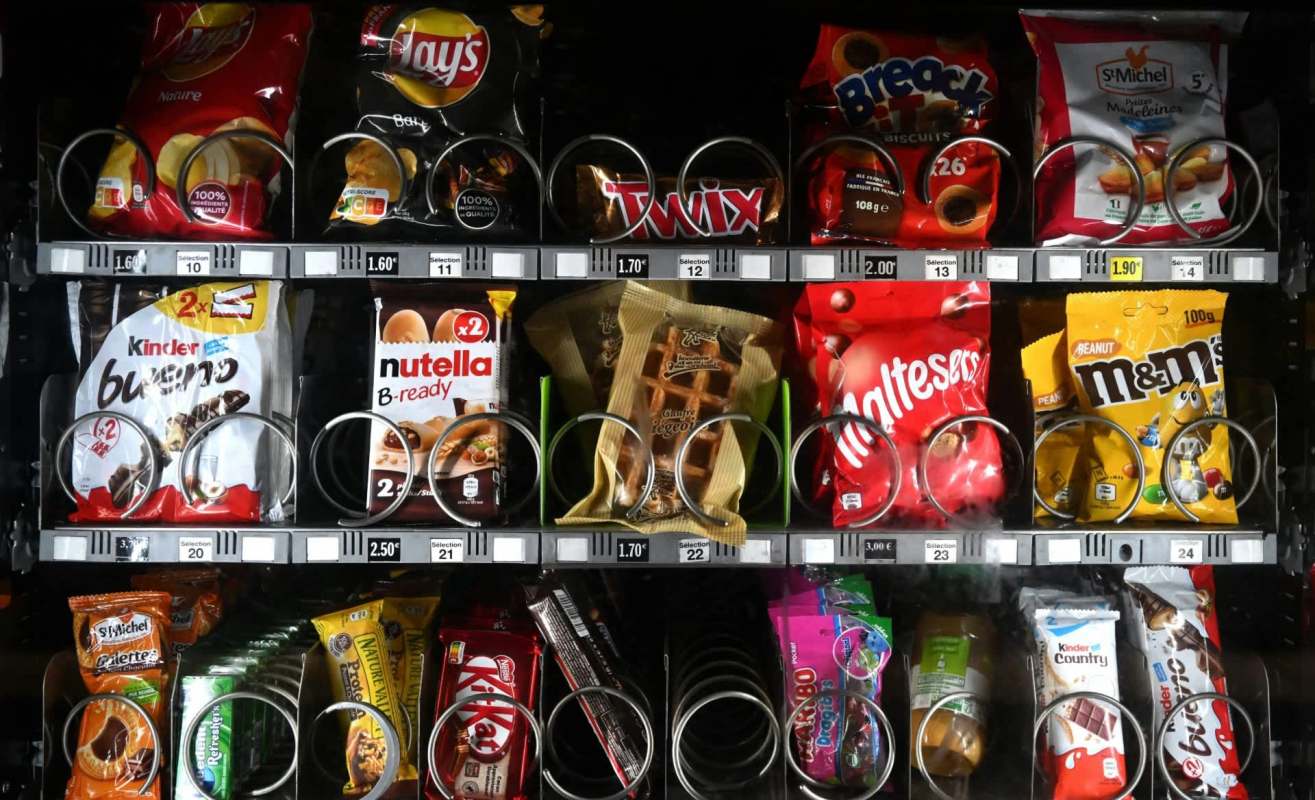
Consumer Reports said it delivered a 100,000-signature petition about food additives to the U.S. Food and Drug Administration headquarters in College Park, Maryland.
Here's what to know
According to an Instagram post by Consumer Reports (@consumerreports) and food and cosmetic scanner app Yuka (@yuka_app_us), the petition delivery came after a joint investigation with Yuka found that 25% of the snacks reviewed contained, in a single serving, additive levels above thresholds used by United States or European public health agencies.
Opening the caption with "100,000 of you said enough is enough," Consumer Reports also wrote, "Iconic brands like Cheetos, Jell-O, and Hostess are lining grocery shelves with ingredients that don't belong in our bodies."
One commenter wrote, "It's wild that 1 in 4 snacks exceed basic safety limits. Time for the FDA to step up and clear out the junk."
More background
Safety thresholds set limits on ingredients that regulators or public health agencies believe should not be exceeded. When advocates say common snacks are crossing those thresholds, they are arguing that oversight may not be keeping pace with what people are actually eating.
Consumer Reports framed the petition as an FDA issue rather than simply a matter of personal choice. The agency plays a central role in food oversight, so public demands aimed at the FDA amount to calls for stricter review, tighter standards, or clearer enforcement surrounding additives.
TCD Picks » Quince Spotlight
💡These best-sellers from Quince deliver affordable, sustainable luxury for all




What's being done?
By delivering 100,000 signatures in person, Consumer Reports and Yuka are trying to turn testing results into regulatory pressure and show that concern over additives extends well beyond consumer advocacy groups.
The organizations are also using public messaging, tying the finding that one in four snacks tested exceeded certain thresholds to recognizable brand categories.
In the post, Consumer Reports stated its demand directly: "Together, we're demanding that the FDA clean up our food supply and cut these dangerous additives in our food."
Where can I learn more?
The fight over snack additives is part of a broader push to curb dyes and other ingredients in processed foods.
• At least a dozen states are passing laws with wide-ranging impacts on artificial dyes in groceries.
• California lawmakers moved to ban more chemicals in foods, accelerating pressure on national brands.
• Food companies are testing vibrant new dye alternatives made from beetroot and prickly pear.

Get TCD's free newsletters for easy tips, smart advice, and a chance to earn $5,000 toward home upgrades. To see more stories like this one, change your Google preferences here.







