


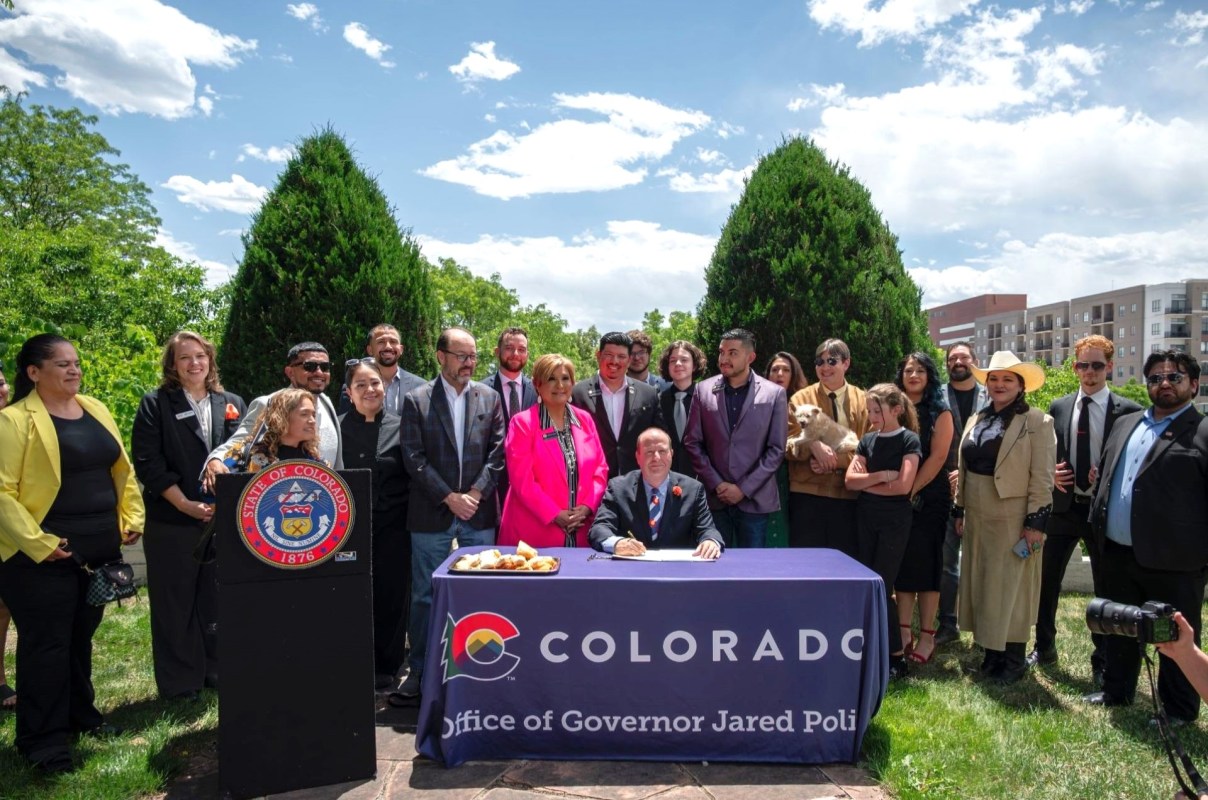
In June, Colorado Gov. Jared Polis signed into law changes that broaden the kinds of foods people can sell from home kitchens, including homemade tamales and other prepared items.
For many home-based food sellers, the most dramatic change is the jump in the yearly sales limit, which increases from $10,000 to $150,000.
Here's what to know
Also known as "The Tamale Act," the expansion of the state's cottage-industry food rules under approved House Bill 26-1033 will now allow the sale of items including homemade tamales, burritos, and tortas.
The law permits direct sales from cooks to customers without requiring a commercial kitchen, but only if the food is transported for no more than two hours and changes hands just once.
"Cottage food laws" generally allow people to make money from foods prepared at home, but restrictions on product type, refrigeration, and revenue often limit those businesses. Increasing the annual sales cap from $10,000 to $150,000 could make it much easier for side hustles to grow into established local businesses.
Sponsored by State Representatives Ryan Gonzalez and Monica Duran as well as State Senators Robert Rodriguez and Byron Pelton, the new law is set to go into effect on January 1, 2027.
TCD Picks » Quince Spotlight
💡These best-sellers from Quince deliver affordable, sustainable luxury for all




More background
Tamales and other prepared meals have often been excluded from traditional cottage food rules, which tend to focus on shelf-stable baked goods, jams, or dry mixes. By allowing certain refrigerated foods, Colorado is opening the door more widely for cooks whose specialties have not fit neatly within previous regulations, with the potential to expand food choices and cultural representation too.
In some cases, a lower barrier to entry can also reduce startup costs by removing the need for an expensive commercial kitchen. It may also strengthen local, community-based food systems and help to address "food deserts."
According to Law Commentary, "Producers must register with the Colorado Department of Public Health and Environment before making sales. The department will issue registration numbers and maintain an electronic registry of cottage-food sellers."
Where can I learn more?
Changes to Colorado's cottage food law are part of a bigger mix of state rules and market pressures affecting food access and nutritional health:
• In Northern Colorado, restaurants scramble after tomato prices jump, squeezing already-thin food margins.
• Illinois lawmakers approved a policy change that could reshape food packaging across restaurants and stores.
• New Mexico and other states proposed changes to products allowed in homes over PFAS concerns.
From ingredient rules to tomato costs, changes like these can quickly reshape the day-to-day reality for food sellers. They also help put Colorado's policy expansion in context, showing the wider forces pushing and pulling on local commerce and food access.

Get TCD's free newsletters for easy tips, smart advice, and a chance to earn $5,000 toward home upgrades. To see more stories like this one, change your Google preferences here.







