


An Australian meal-planning YouTuber said discount labels can create the impression of savings even when the numbers do not hold up.
In a video, she explained the questions she asks before a marked-down product earns a place in her cart.
Here's what to know
In the video, Emmy Petersson of the Simple Meal Plan & Prep with Emmy channel (@SimpleMealPlanPrep) framed her approach as a four-part filter.
Emmy advised checking the real value of the price, whether her household would actually use the item, whether it could be frozen or used before expiring, and finally whether buying it still works with her monthly grocery budget.
To her, the discount sticker matters less than the unit price. She said shoppers should look at the cost per unit, whether it be pounds, grams, milliliters, or ounces.
Emmy said that in Australia, 95 cents for a 13.5-fluid-ounce (400-milliliter) can of diced tomatoes is a standard deal, 12 free-range eggs for under AU$6 (US$4.21) is strong value, and roast chicken below roughly AU$1.81 a pound (AU$4 a kilo) is especially cheap.
TCD Picks » Quince Spotlight
💡These best-sellers from Quince deliver affordable, sustainable luxury for all




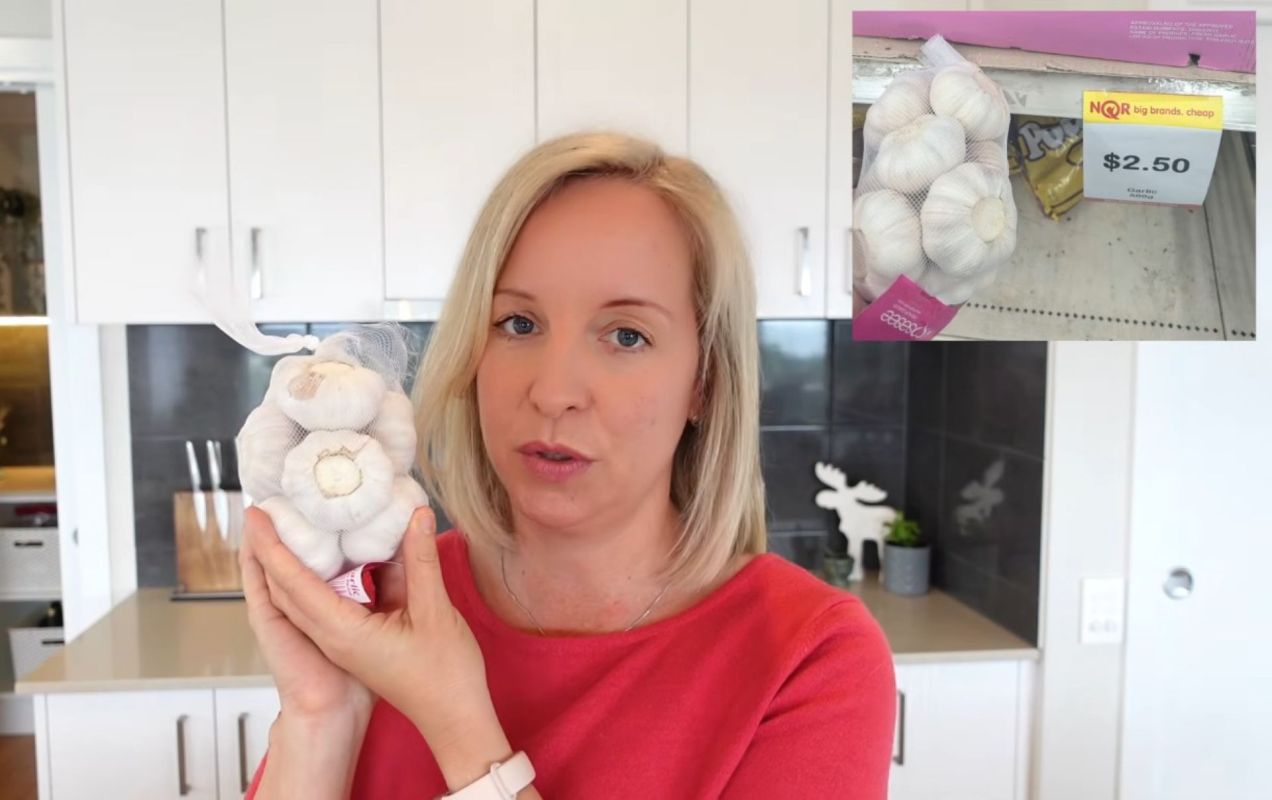
She said she also judges clearance tags against what she normally sees on the shelf. In her examples, turkey mince priced at AU$4.80 for a 1.1-pound (500-gram) pack stood out because she usually pays AU$6, while a AU$2.50 bag containing eight whole garlic bulbs compared favorably with the roughly AU$1 to AU$1.50 she expects for just one bulb.
Commenters said the strategy works best when it is applied to items households already buy.
"It's always a bonus when I find my regular items on clearance such a great saving," a viewer wrote.
More background
Emmy said markdown hunting is partly about knowing when and where to look. According to the creator, many supermarkets reduce items later in the evening, and her nearby Coles, Woolworths, and sometimes Aldi usually set aside specific clearance sections.
As an example, she pointed to a past trip to her local Woolworths that turned up bread, gluten-free products, and fresh salmon.
She treats affordability as the last decision point. Her household grocery allowance is AU$800 (US$560) per month for two adults, including all food and drinks consumed at home plus pet expenses.
While a Costco shop can absorb a large chunk of that total at once, Emmy said discounted meat and other protein can still make sense if it reduces later spending.
What can be done?
Her advice was to connect clearance buying with both meal planning and available freezer capacity. Items close to their use-by date, she said, only make sense if they already fit into an upcoming menu.
Freezing is what makes many markdowns on meat and fish worth buying. Her half-size chest freezer, she said, costs less than AU$40 (US$28) a year to run, which lets her store discounted proteins instead of losing them to spoilage.
Another part of her routine is reverse meal planning. For at least one week each month, Emmy creates meals entirely from food already sitting in the fridge and freezer so those bargain purchases get used.
"When things get more expensive, we can still be really resourceful," she concluded.

Get TCD's free newsletters for easy tips, smart advice, and a chance to earn $5,000 toward home upgrades. To see more stories like this one, change your Google preferences here.







