


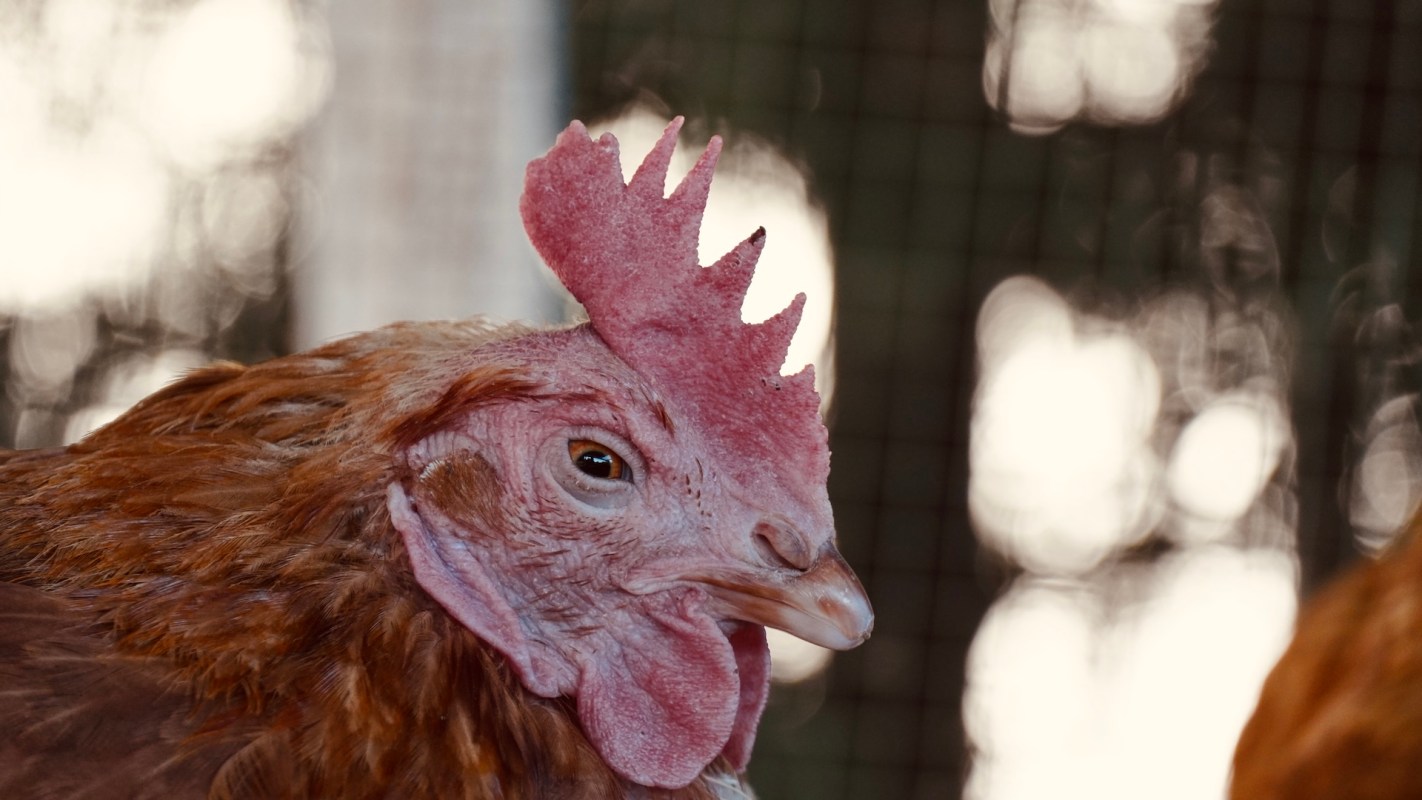
A bird flu outbreak in California affected approximately 1.3 million laying hens ahead of the holiday baking rush, according to USDA data, putting pressure on egg supplies as bakeries, retailers, and food manufacturers prepare for seasonal demand.
Here's what to know
The USDA confirmed the California outbreak on Oct. 28, following an Oct. 19 outbreak affecting 934,600 birds in Illinois, according to Food Ingredients First.
The seasonal migration period typically ushers in more outbreak detections.
The USDA's October Food Price Outlook anticipates a 29.3% drop in retail egg prices from 2025 to 2026 and a 1.2% increase in poultry prices.
Rohit Tripathi, vice president of industry strategy for manufacturing at AI-powered supply chain planning company Relex, identified regional sourcing as a pressing concern.
To fulfill an order, suppliers must match delivery and packaging specifications, as well as housing requirements and the size and quality of the eggs, he said.
TCD Picks » Quince Spotlight
💡These best-sellers from Quince deliver affordable, sustainable luxury for all




"A retailer or food manufacturer may therefore experience a shortage even when sufficient eggs exist elsewhere in the country," Tripathi explained.
More background
Tripathi noted that eggs add texture and help bind and emulsify foods ranging from baked goods to sauces and prepared meals.
Substituting other ingredients can require revising recipes, trial production runs, and quality checks to ensure the finished food meets expectations.
Interest in functional egg alternatives has grown amid supply volatility. For shoppers exploring plant-based food options, egg substitutes may offer another choice, though Tripathi said they can change a finished product's taste, shelf life, or cost.
The loss of laying hens does not directly reduce chicken meat production, since broiler chickens and table eggs come from separate supply chains.
Still, continued disease activity across poultry operations could put broader pressure on prices.
Retail egg prices also depend on contracts, available inventory, and pricing arrangements, so a regional shortage does not necessarily lead to the same price changes everywhere.
What's being done?
Producers facing shortages must redistribute available eggs, reassess commitments to customers, and adjust packing and transportation arrangements.
Tripathi described a Relex customer in Asia-Pacific that used detailed planning during an avian influenza disruption to redistribute limited supplies according to manufacturing limits, product specifications, and customers' relative priorities.
AI-supported planning lets manufacturers evaluate other suppliers, available production capacity, ingredient expenses, and the mix of products they make before changing operations, according to Food Ingredients First.
Those tools can help companies keep products available while limiting wasted ingredients, expensive last-minute purchases, and production interruptions.
Restoring production at an affected farm can take months, according to Tripathi.
Before restocking, farms must contain the disease, disinfect facilities, and obtain regulatory approval; the availability of replacement birds and the risk of further outbreaks also shape recovery.
Meanwhile, producers may obtain eggs from their other facilities or arrange alternative supplies to serve customers.
Tripathi recommends planning for recovery scenarios ranging from six months to a year, or further disruption.
Where can I learn more?
Egg prices and poultry-related illnesses affect shoppers beyond California. These stories cover egg market price fixing, Hawaii's egg prices, and backyard poultry-linked Salmonella infections.
• Texas food banks will receive 7 million free eggs in a settlement over alleged price-fixing.
• Hawaii officials urged residents to buy local despite eggs costing $13.19 a dozen.
• Across the U.S., a backyard poultry-linked Salmonella outbreak has reached 1,061 cases, claiming another life.

Get TCD's free newsletters for easy tips, smart advice, and a chance to earn $5,000 toward home upgrades. To see more stories like this one, change your Google preferences here.







