


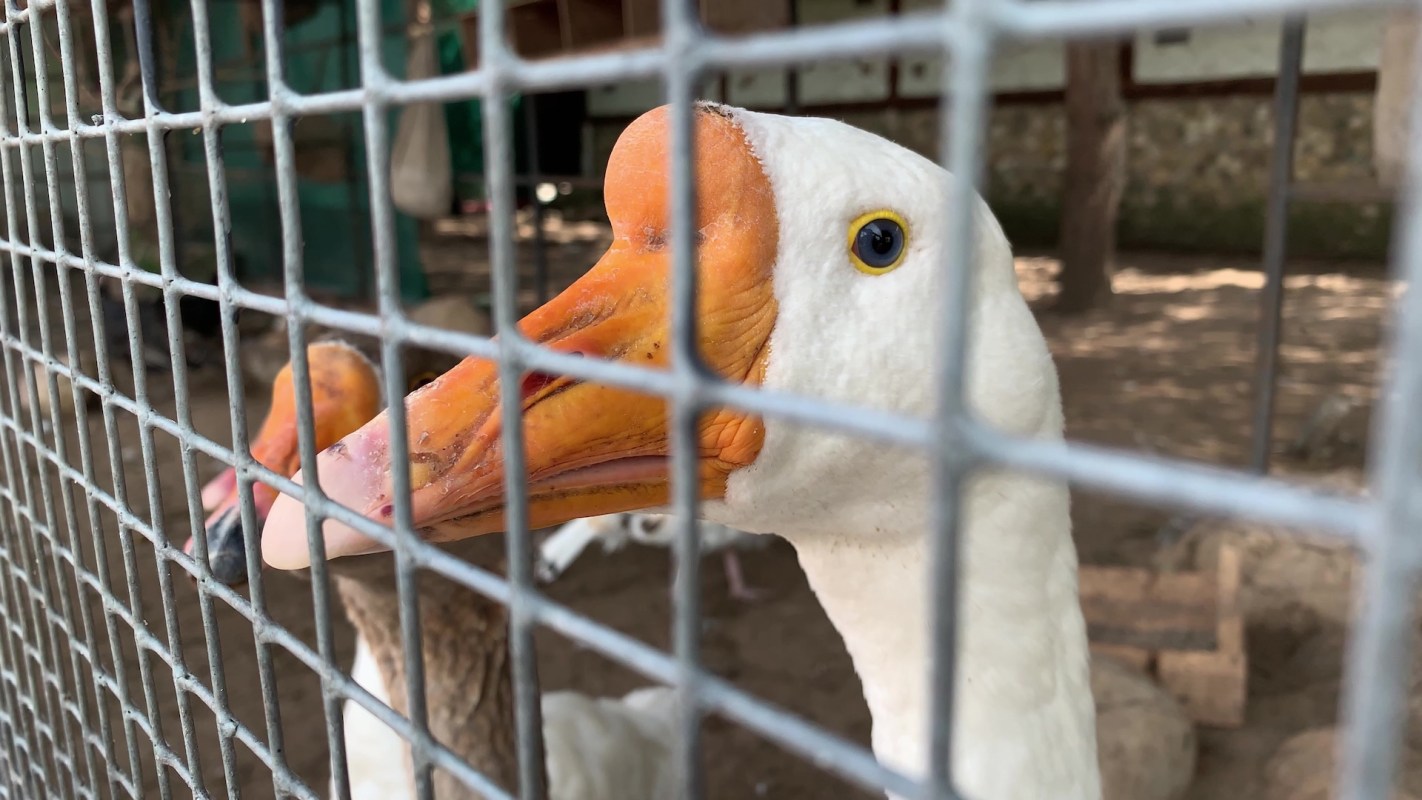
Brazil has outlawed the sale and production of foie gras, shutting down a niche luxury food market in a move supporters have said puts animal welfare ahead of tradition and trade pressure.
In practical terms, that also shuts French foie gras out of Brazil, altering the market for restaurants, specialty food sellers, and consumers who still bought the delicacy.
What happened?
After Brazil's Congress passed the measure in April, President Luiz Inacio Lula da Silva signed it into law on July 23, according to Reuters.
Foie gras comes from the enlarged livers of ducks and geese, and opponents have long criticized the force-feeding used to produce it.
The country's own foie gras business was already minimal, but the new ban on sales also blocks the product from being brought in from France. Taken together, the rules effectively remove foie gras from Brazil's market.
U.S.-based advocacy group Pro-Animal Future said the law would make Brazil the first country in Latin America to ban both foie gras production and sales.
TCD Picks » Quince Spotlight
💡These best-sellers from Quince deliver affordable, sustainable luxury for all




Natalie Fulton, the group's media and content lead, said, "It's amazing that this covers both sale and production because [Brazil] is taking a very hard stance against a cruel industry."
The measure also created friction with France. A Brazilian diplomat said French diplomats had urged Lula to veto the legislation, arguing that foie gras production was not cruel and was part of cultural tradition.
Why does it matter?
For animal welfare advocates, the law matters because it targets both supply and demand.
Rather than limiting only local farms, Brazil's ban removes the commercial market for a product that many critics say depends on unnecessary suffering.
Food laws often reflect what a society is willing to normalize in agriculture, and this one imposes stricter limits when cruelty concerns are involved.
Supporters see that as part of a broader push toward food systems that are more humane and better aligned with public values.
Still, critics have argued the ban dismisses culinary heritage and could strain trade relations.
French foie gras industry association CIFOG has said the measure may conflict with the EU-Mercosur trade deal, and a 2022 European Union review found foie gras production complied with animal welfare rules.
Marina Lacorte, food systems campaign manager at World Animal Protection, rejected the idea that foie gras can be produced humanely, saying, "What constitutes 'good treatment' can be pretty relative, right?"
What's being done?
Brazil's government has now taken the strongest possible step available on this issue by banning both production and sales.
Because the country's foie gras sector is tiny, the practical effect will likely fall more on importers, upscale restaurants, and specialty retailers than on a large domestic workforce.
That could make the transition easier, even if it still frustrates businesses that catered to a luxury market.
Animal welfare groups are also using the moment to push for more conversations about how animals are treated across food systems.

Get TCD's free newsletters for easy tips, smart advice, and a chance to earn $5,000 toward home upgrades. To see more stories like this one, change your Google preferences here.







