


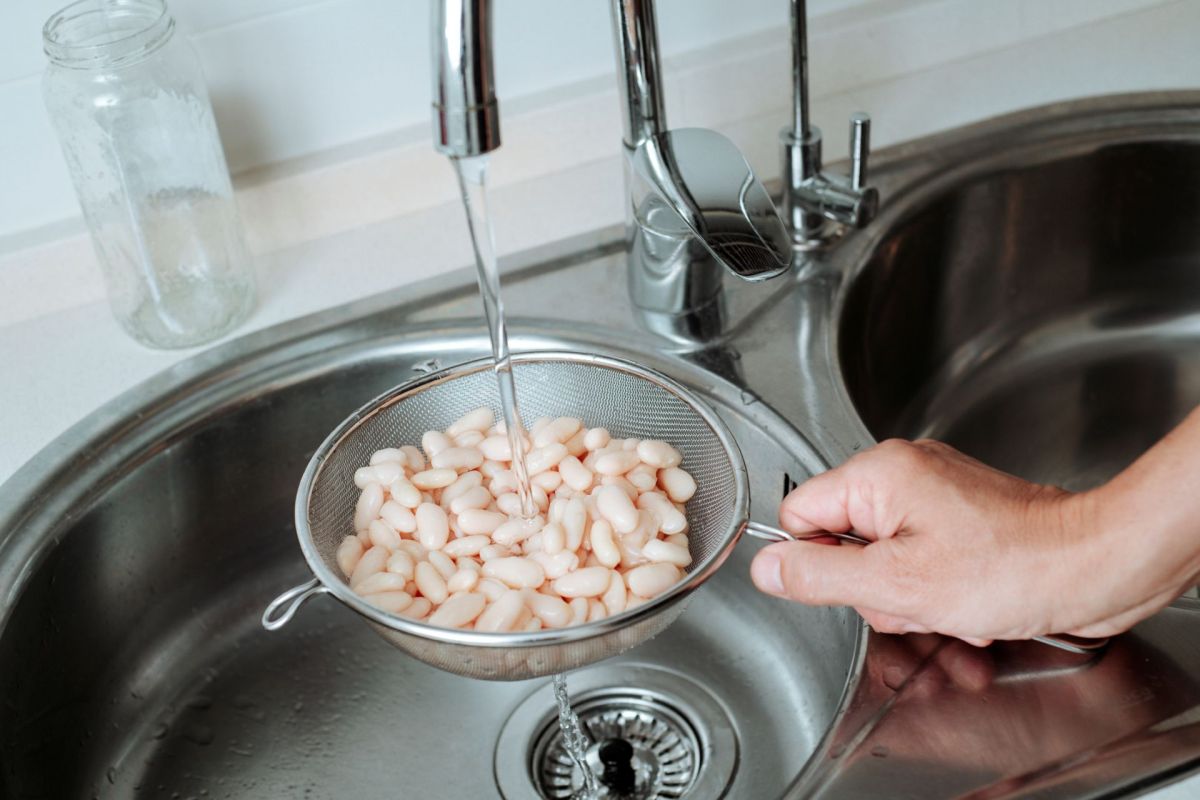
A prepper encouraged households building emergency food supplies to store baking soda alongside dried beans to help soften the beans and conserve cooking fuel. One prepper shared how adding the ingredient to dried beans could nearly halve their cooking time, prompting a discussion about the water and fuel needed to turn stored food into a meal.
Here's what to know
In a post on Reddit's r/TwoXPreppers community, the original poster encouraged people building emergency food supplies to store baking soda alongside their dried beans. The concern was that beans can become harder to soften after long periods in storage, making an otherwise inexpensive food more difficult to prepare.
They recommended treating both the soaking and cooking water with baking soda, using up to one teaspoon per pound of beans in each. Beans that had not hardened could cook in almost half the time with baking soda, and it could also help soften those hardened during storage.
Shorter cooking times could help households use less fuel, which is helpful during an emergency.
More background
One commenter reported that they had gone eight weeks without city water, a month without power or internet, and several weeks without reliable cellphone service. In a follow-up, they identified themselves as a Hurricane Helene survivor.
They cautioned against relying on dried beans and rice when water and fuel must be rationed, arguing that those staples were more useful during financial hardship or supply chain disruptions.
TCD Picks » Quince Spotlight
💡These best-sellers from Quince deliver affordable, sustainable luxury for all




The original poster's preparations emphasized water filtration and disinfection because they lived near numerous lakes, rivers, and springs, including a river about 150 feet downhill from their back door.
What can be done?
The Helene survivor recommended rotating emergency supplies into regular meals so they would be used before their expiration dates. They also suggested keeping familiar canned food and other shelf-stable options on hand, especially ones that could be prepared quickly.
One commenter recommended couscous as a less water-intensive alternative to rice: after the water boils, it can sit off the heat for five minutes. The original poster pointed to instant white rice for people who still wanted to store rice while limiting water use.
One commenter described using about 1.5 cups of water to cook potatoes in a pressure cooker. Another recommended a short boil after soaking pasta, while a separate commenter suggested adding a little water to jarred or canned sauce and cooking the pasta directly in it.
One commenter wrote, "If you're storing rice and beans, store more water than you imagine you may need. They both use quite a bit to cook with."
Where can I learn more?
Planning an emergency pantry also means thinking about how you'll prepare the food during an outage. These stories explore cooking equipment, ready-to-eat canned meals, and pantry planning.
• A prepper proposed a solar-charged rice cooker for outages, while commenters favored pressure cookers.
• In the U.K., a prepper learned canned meals were safe to eat without heating.
• Worried about rising food prices, a prepper's 80-can stockpile question prompted deep pantry advice.
• In San Diego, a prepper's $4,000 solar backup plan faced electric cooking's heavy battery demands.

Get TCD's free newsletters for easy tips, smart advice, and a chance to earn $5,000 toward home upgrades. To see more stories like this one, change your Google preferences here.







