


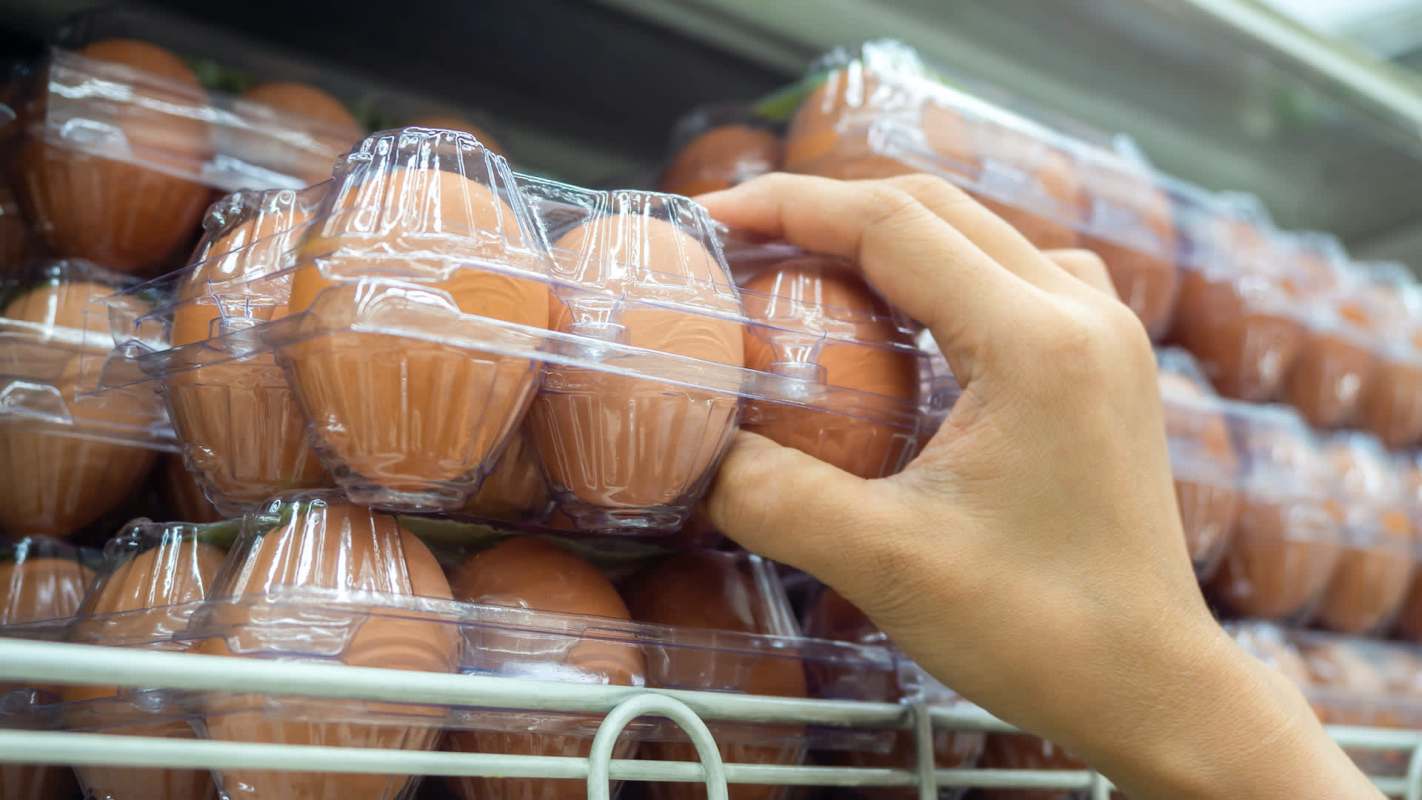
New EY-Parthenon economic modeling points to sharply higher egg and chicken prices for Australian shoppers if bird flu reaches the country's commercial poultry farms.
Here's what to know
Australian Associated Press reported projected prices of 11.20 Australian dollars ($7.47) for a carton of eggs that now costs AU$6.40 ($4.27) and AU$22.75 ($15.17) for a rotisserie chicken priced at AU$13 ($8.67).
A breach of poultry farm biosecurity by H5N1 was the premise of the EY-Parthenon analysis described by the outlet.
Across the scenarios assessed, the country's real gross domestic product was projected to fall AU$700 million ($470.1 million) to AU$6.2 billion ($4.2 billion) short of expectations over 2026-28, compared with forecasts without an outbreak.
AAP noted the strain was confirmed in Australia on June 19 following the discovery of a migrating brown skua on an isolated beach near Esperance, Western Australia.
However, the outlet reported no cases in farmed poultry or other agricultural livestock. Federal agriculture department data showed more than 730 confirmed wildlife flu events as of Nov. 12.
TCD Picks » Quince Spotlight
💡These best-sellers from Quince deliver affordable, sustainable luxury for all




The modelling examines hypothetical farm outbreaks, not ongoing spread among wildlife.
More background
Beyond eggs and rotisserie chicken, AAP reported a projected price of AU$19.25 ($12.84) for 1 kilogram (2.2 pounds) of chicken breast, compared with AU$11 ($7.34).
The best-case scenario of an outbreak involving multiple poultry sites that leaves shared supply-chain operations intact could reduce GDP by roughly AU$700 million during 2026-28, with around 495 full-time-equivalent positions lost.
Under that scenario, the outlet reported a potential peak price increase of about 10% for eggs and poultry.
Recovery time is critical in the most damaging scenario. Interrupting recovery could result in a AU$6.2 billion GDP loss, with more than 5,600 full-time-equivalent jobs lost annually.
AAP reported a potential peak price increase of approximately 76% for eggs and poultry, adding pressure to household grocery budgets. That could create increasing challenges for those already facing high housing and fuel prices.
What's being done?
Biosecurity measures provide a barrier between H5N1 circulating in wildlife and an outbreak on commercial poultry farms, the outlet said.
AAP identified freight networks, processing facilities, hatcheries, and breeding operations as shared infrastructure. EY-Parthenon's scenarios distinguish damage to those operations from disruption at individual poultry sites.
If disruption reaches those shared operations, the publication noted the projected GDP loss could be around AU$3 billion ($2 billion), with an average annual employment shortfall of 2,060 positions and a potential peak price increase of 35% for eggs and poultry.
"It is important that businesses across the food system understand the potential implications and prepare appropriately," EY economist Patrick Huynh said.

Get TCD's free newsletters for easy tips, smart advice, and a chance to earn $5,000 toward home upgrades. To see more stories like this one, change your Google preferences here.







