


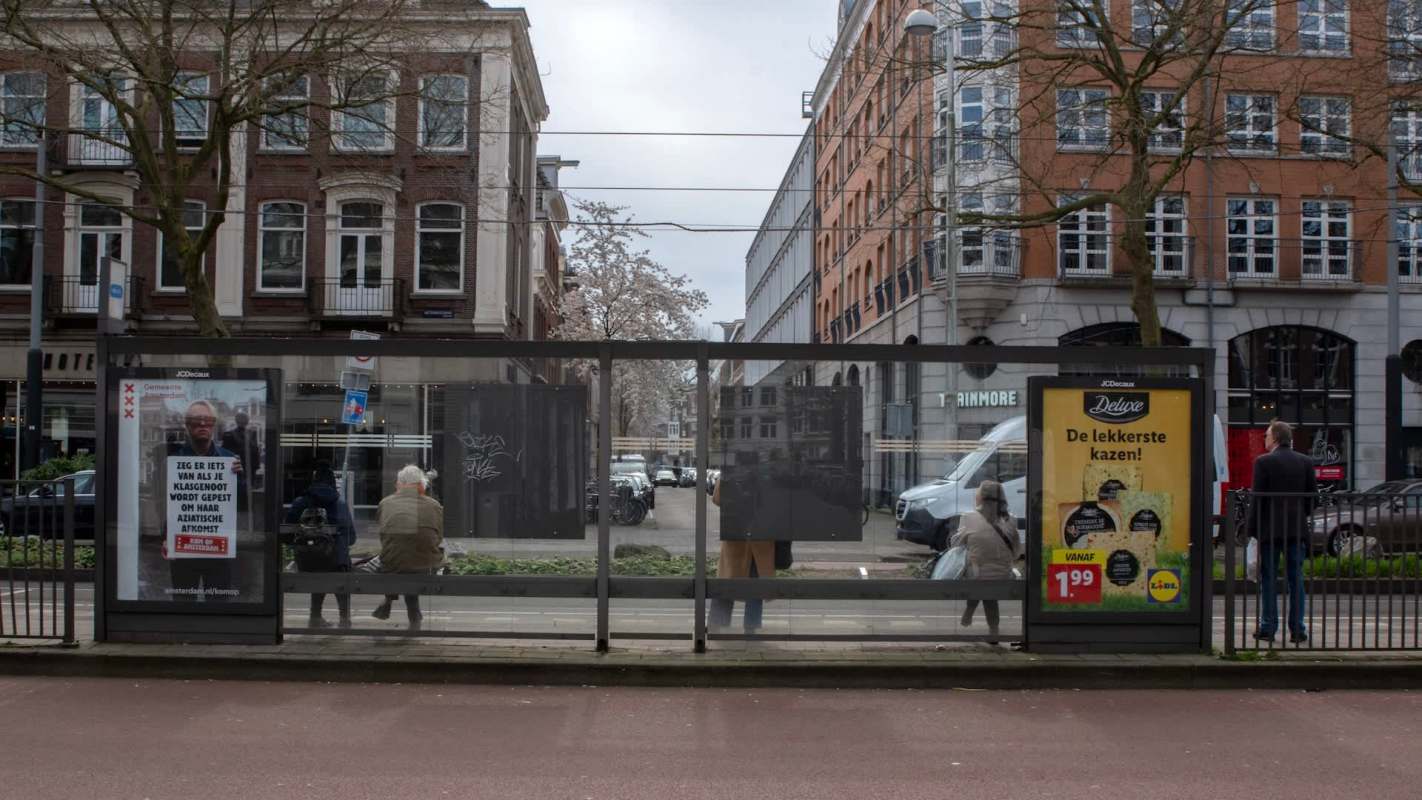
After a lengthy debate, Amsterdam banned billboard advertising for fossil fuels and meat, becoming the first capital to do so.
The decision comes as cities across Europe increasingly treat high-carbon advertising as a public-interest issue connected to health and climate action goals.
Here's what to know
The measure serves two long-term city objectives — carbon neutrality and a 50% cut in meat consumption by 2050 — and it reached implementation five years after it was first proposed, according to Euronews.
Amsterdam joined a wider municipal trend. Utrecht, The Hague, Zwolle, Delft, and Nijmegen already had similar rules, while Helsinki, Stockholm, and Bristol, United Kingdom, restricted ads for fossil fuels and other high-carbon sectors such as aviation, shipping, fast fashion, and construction.
"What the evidence does show is that advertising typically shapes what feels normal for most of us, to varying degrees, which in turn can shape behaviours," Linda Aspey, a climate psychology specialist and board member of Climate Psychology Alliance, told Euronews.
More background
Meat has drawn increasing scrutiny in climate policy because of its outsize environmental footprint.
TCD Picks » Quince Spotlight
💡These best-sellers from Quince deliver affordable, sustainable luxury for all




According to Euronews, food and agriculture account for one-third of global air pollution. In the European Union, animal-sourced foods are estimated to produce 81% to 86% of food-production emissions while supplying about 21% of calories and 64% of protein.
Researchers have also linked lower meat consumption with better public health outcomes.
A shift toward mostly plant-based eating could prevent about 15 million deaths a year, according to a 2025 EAT-Lancet Commission report, which brought together 70 experts from 35 countries.
In the Netherlands, Wageningen Social and Economic Research's Meat Report found that Dutch meat consumption in 2024 was at its lowest in the past 20 years.
The finding suggests consumer behavior was already shifting, even as the politics around public restrictions remain contentious.
What's being done?
Amsterdam's policy is one way to reduce the steady stream of cues that can encourage high-pollution consumption.
It also addresses a common criticism of the ban — that billboards don't determine what people eat — by emphasizing the role advertising plays in reinforcing habits.
"As with tobacco control, such restrictions tend to work best combined with other measures, not alone," Aspey said, per Euronews.
Transport for London's junk food ad ban was linked to a nearly 7% drop in weekly household purchases, with confectionery down by almost a fifth.
Those findings were based on actual shopping data, not surveys.
"Most research points to sustainable diets needing meaningfully less meat than the U.K. eats now, for both planetary and personal health, and marketing that is weighted heavily towards meat — especially mass-produced and cheaper — makes that shift harder," Aspey told Euronews.
Where can I learn more?
Amsterdam's move fits into a broader push by cities and governments to curb high-impact consumption and shift public norms.
• In Bristol, officials extended billboard limits with a fast fashion ad ban at bus stops.
• In the U.K., regulators issued the first ad bans on GLP-1 waitlists for oral weight-loss drugs.
• Germany made an explicit fossil-fuel exit pledge while targeting 80% renewable power by 2030.
• In the Netherlands, experts designed high-protein plant-based hospital meals to make lower-meat diets easier.
• Brazil outlawed foie gras sales and production, ending imports from France.

Get TCD's free newsletters for easy tips, smart advice, and a chance to earn $5,000 toward home upgrades. To see more stories like this one, change your Google preferences here.







