


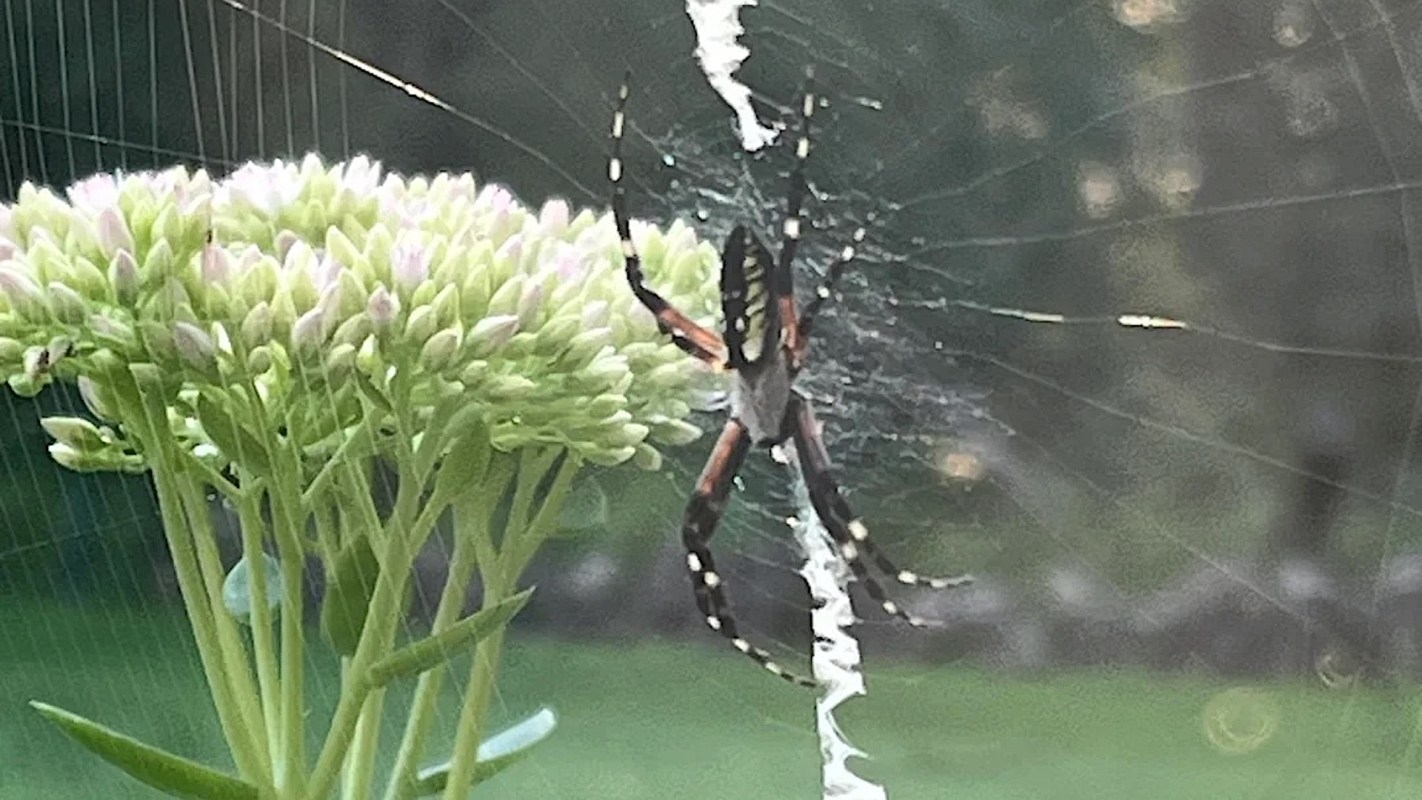
After noticing two unusual backyard animals, a large spider in an elaborate web and a chunky, horned caterpillar, a gardener from the northeastern United States went searching for answers.
The internet replies mostly eased the poster's concern, with users saying the spider was likely harmless to people and treating the caterpillar as more of a garden curiosity than a serious concern.
What happened?
The post appeared in the r/WhatsThisBug community on Reddit, where the original poster described the location only as "North Eastern US."
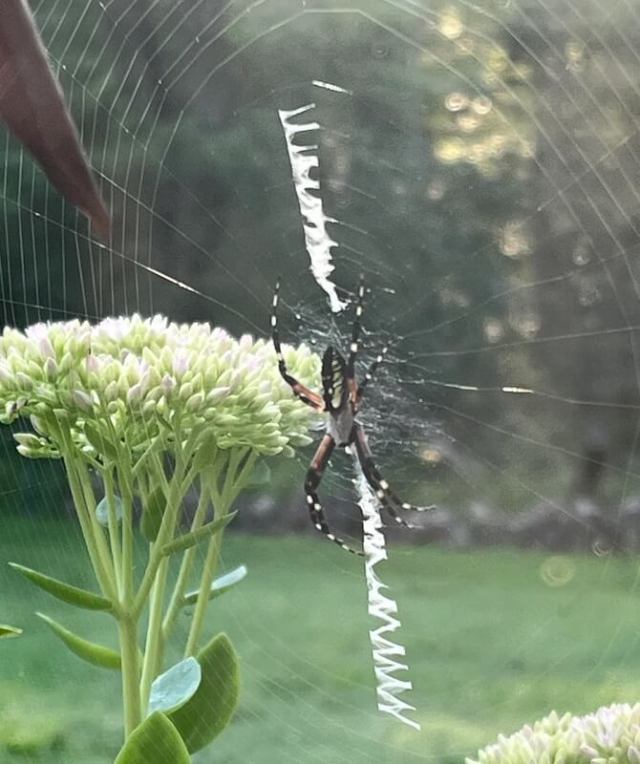
Although regional names varied, most commenters agreed on the spider's identity as an Argiope orb-weaver, often referred to as a yellow garden spider, zipper spider, or banana spider.
One commenter wrote, "Spider is one of the Argiopes (big, web-building spiders), probably Argiope aurantia if you're in the US. Harmless unless you're a flying insect."
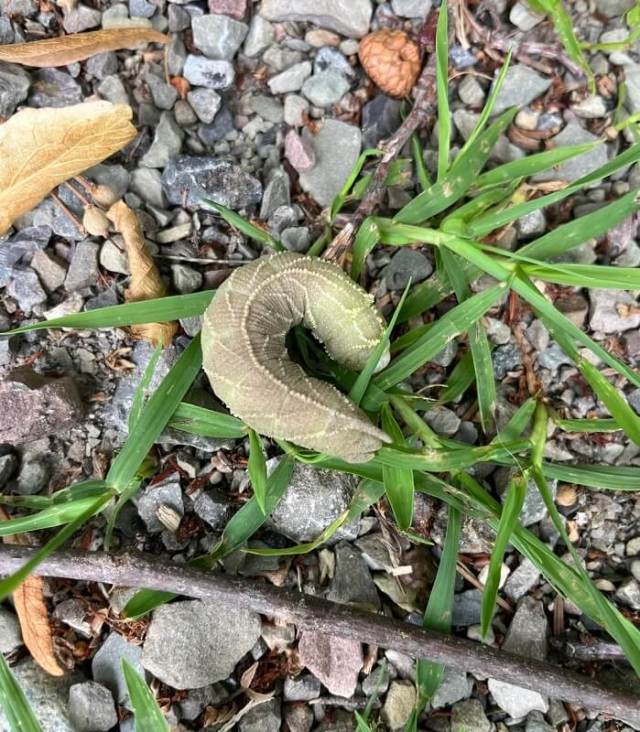
The caterpillar drew a bit more debate, but several Redditors still pointed toward a sphinx moth larva or hornworm. One person said, "Your lil chonker might be a four horned sphinx moth. I'm not 100% confident on that ID but I'm absolutely confident that it's a moth".
TCD Picks » Quince Spotlight
💡These best-sellers from Quince deliver affordable, sustainable luxury for all




Why does it matter?
Fear and uncertainty often lead people to kill spiders or caterpillars that are not actually dangerous. Threads like this can help with identification.
In this case, the spider appears to be one of the large web-builders that many gardeners notice. While these spiders can look intimidating, they are widely known for catching flying insects and generally keeping to themselves.
When people create paths, yards, and pollinator-friendly plantings, they also create spaces where insects, spiders, and humans are more likely to cross paths. Better identification can help people avoid unnecessary pesticide use and protect beneficial species.
If you come across a mystery spider or caterpillar, the safest first step is usually to observe it without touching it. A clear photo, your region, and details about where you found it, like on a plant, in a web, or near a path, can go a long way toward getting a reliable identification from local extension offices, field guides, or online communities.

Get TCD's free newsletters for easy tips, smart advice, and a chance to earn $5,000 toward home upgrades. To see more stories like this one, change your Google preferences here.







