


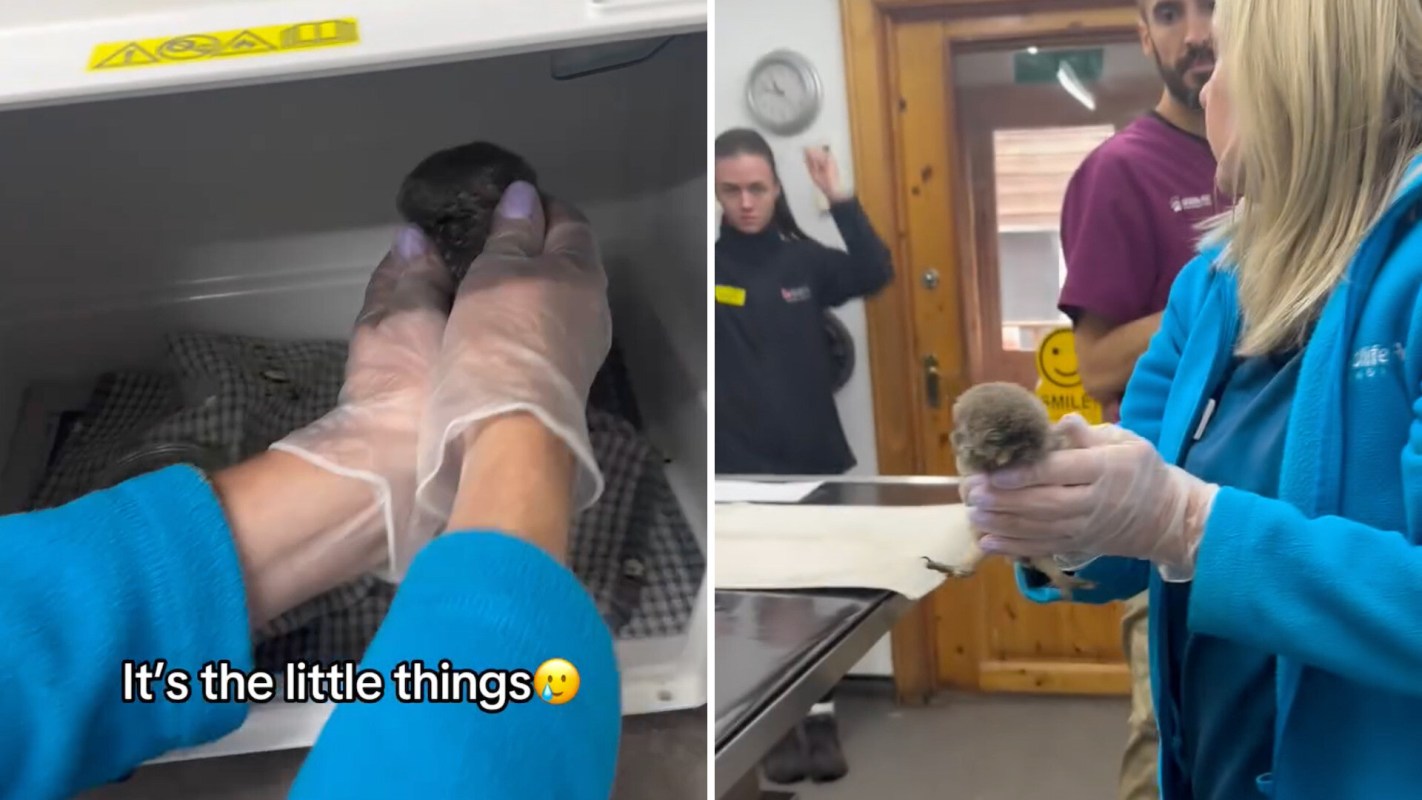
A young owlet that was blown from its nest during wind and rain died from severe injuries, a loss that left a wildlife rescue team devastated and underscored the risks storms pose to fledglings.
What happened?
The Wildlife Aid Foundation (@wildlifeaid) shared the story on Instagram.
"Our first little owlet of the year," the caption read. "This poor little feather ball was knocked out of his nest in this week's wind and rain."
By the time rescuers reached the bird, it was "cold, injured, and exhausted," having been found "all alone on the forest floor." Staff then brought it in for an examination by vets.
That exam revealed catastrophic injuries from the fall. "Both of his eyes were severely damaged. He was effectively blind," the Wildlife Aid Foundation wrote, noting the injuries were too extensive for the owlet to recover.
Why does it matter?
Young birds are especially vulnerable before they can fly, regulate their body temperatures, or protect themselves on the ground.
TCD Picks » Quince Spotlight
💡These best-sellers from Quince deliver affordable, sustainable luxury for all




"Bad weather at this time of year can spell disaster for fledgling birds," the organization stated. "This little owl was just weeks away from adulthood but was caught out by the storm."
This can be especially devastating to populations already in decline or at risk.
What can I do?
If you come across a bird on the ground after severe weather, experts generally recommend keeping your distance and watching for obvious signs of injury, weakness, or danger.
Keep dogs, cats, and children away, and contact a licensed wildlife rehabilitator or local rescue organization for guidance.
That advice is especially important with owlets, which can be difficult for untrained people to assess.
Some young birds naturally spend time on the ground while still being fed by their parents, but if a being is cold, visibly injured, or extremely lethargic, it's a major warning sign.
The Wildlife Aid Foundation said that quickly noticing an animal in trouble can make a lifesaving difference.
"We were heartbroken not to be able to do more for this fragile little creature," the organization wrote.

Get TCD's free newsletters for easy tips, smart advice, and a chance to earn $5,000 toward home upgrades. To see more stories like this one, change your Google preferences here.







