


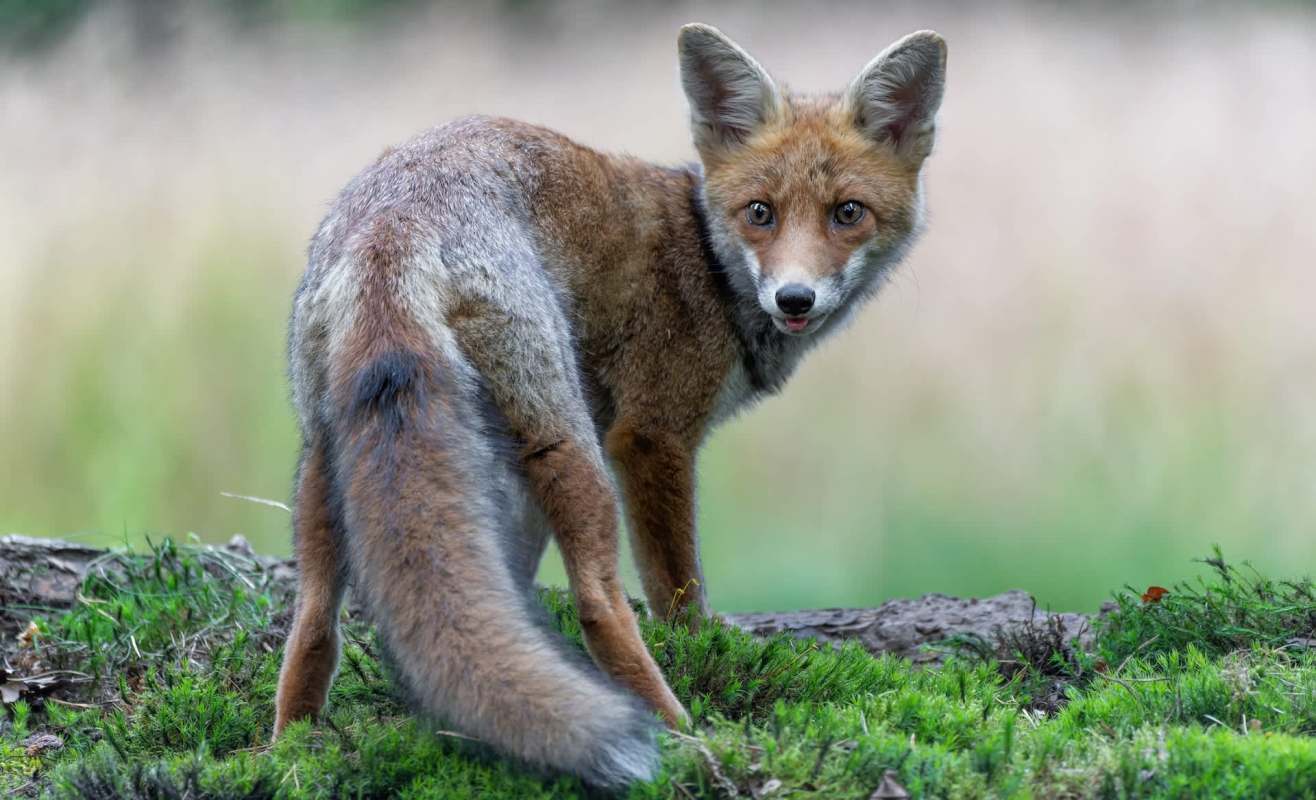
After a young fox was brought in to the Wildlife Aid Foundation, the United Kingdom-based wildlife rescue shared that she had "one of the most heartbreaking cases of mange we've ever seen."
Wildlife Aid then shared the fox's recovery story alongside images of her receiving care, rest, and some good food.
What happened?
On Monday, the Wildlife Aid Foundation shared images on Instagram of the young female fox before receiving treatment for mange. The animal appeared to be badly affected, with widespread skin damage and major fur loss.
In the post, the foundation said: "This poor young girl was brought to us covered in scars and scabs, missing half her fur, and in an awful amount of pain and discomfort."
The rescue organization added that "mange is a cruel and contagious disease that eats away at an animal's health and had left this sweet girl on the verge of death."
Luckily, the WAF got right to work giving the young fox fluids and food. Now, as the foundation noted: "She's already much more responsive and has far more energy. She's not out of the woods yet, but the tree line is finally in sight."
TCD Picks » Quince Spotlight
💡These best-sellers from Quince deliver affordable, sustainable luxury for all




Why does it matter?
The image shared online offers a painful glimpse of how quickly a treatable wildlife disease can spiral into a life-threatening emergency when an animal is left suffering for too long.
Mange is a skin disease caused by parasitic mites; in foxes, it can lead to intense itching, open wounds, infections, exhaustion, and significant fur loss. Without that fur, animals can struggle to stay warm, rest, and conserve energy.
For young animals especially, that can become a deadly cycle. Pain and constant irritation make it harder to hunt and recover, while damaged skin leaves the body more vulnerable to infection and further decline.
Sick wildlife often turns up in parks, gardens, roadsides, and other places where people regularly encounter animals. The public is often the first line of defense in recognizing when something is seriously wrong.
But approaching or handling visibly ill wildlife can be unsafe. A distressed animal may be suffering deeply, and the safest step is almost always to contact a licensed rehabilitator or local wildlife rescue rather than trying to intervene alone.

Get TCD's free newsletters for easy tips, smart advice, and a chance to earn $5,000 toward home upgrades. To see more stories like this one, change your Google preferences here.







