


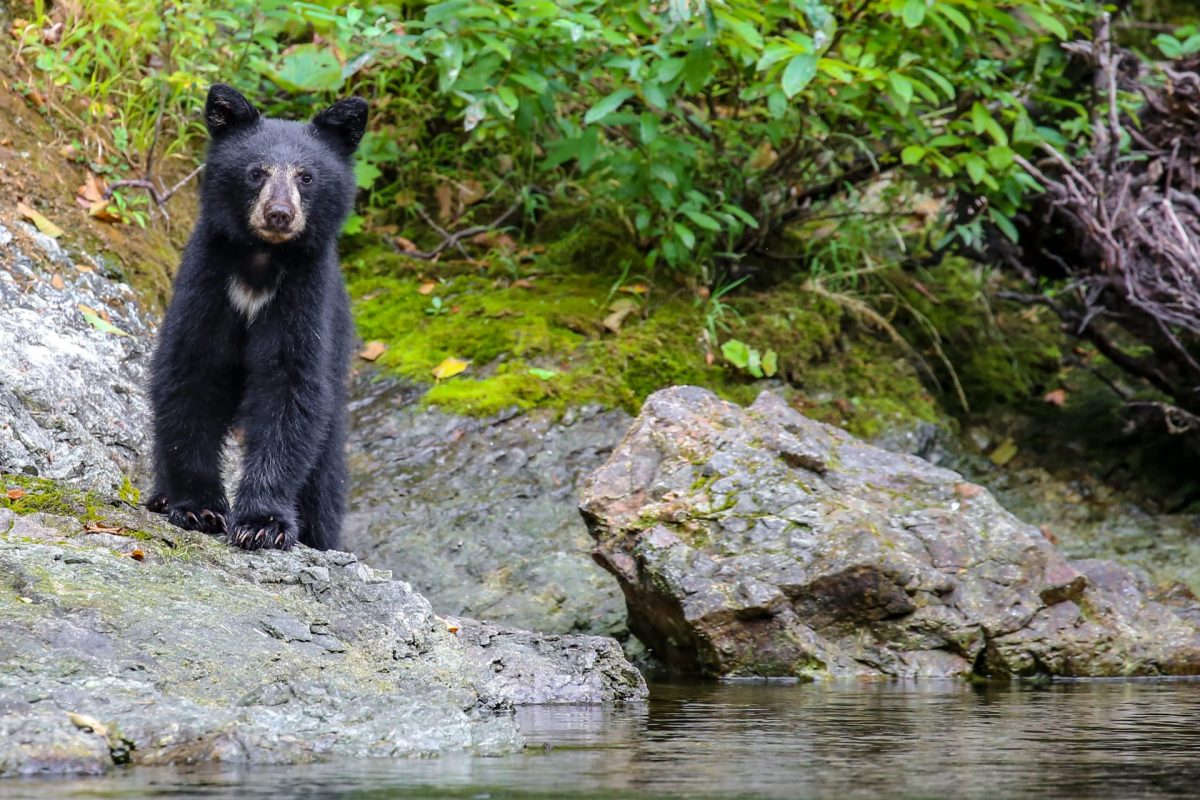
A flurry of 911 calls and social media posts occurred after a young black bear showed up in Wilsonville, Oregon, on Monday night, moving through a commercial area before officers directed it toward the river.
What happened?
The bear was seen near the Fred Meyer parking lot and on nearby sidewalks, prompting a response from the Wilsonville police, KXL reported.
Video from the department shows officers honking while the animal ran through the area.
Oregon Department of Fish and Wildlife biologist Peter Iacono told KGW that sightings like this are not especially unusual during this time of year.
"Yearling bears are leaving their mom. They're dispersing, kind of figuring out the landscape for the first time," Iacono said.
By about 10:45 p.m., officers had maneuvered a vehicle to contain the bear and nudge it toward the Willamette River.
TCD Picks » Quince Spotlight
💡These best-sellers from Quince deliver affordable, sustainable luxury for all




Recent bear reports have surfaced elsewhere in the region, including Newberg, with one report June 27.
Why does it matter?
Even when a bear is not acting aggressively, an encounter like this can quickly become dangerous for both people and the animal.
A frightened bear running through parking lots, roads, and sidewalks can create hazards for drivers, pedestrians, pets, and first responders.
Young bears dispersing into suburbs may be following natural instincts, but human activity can make those encounters more likely and more difficult.
Garbage cans, pet food, grills, and other easy food sources can draw animals deeper into neighborhoods instead of keeping them in more suitable habitats.
Once bears begin associating people with food, conflicts can escalate, increasing the chances that wildlife will be harmed, relocated, or euthanized after repeated run-ins with humans.
What can I do?
According to Iacono, the bear was likely looking for food, so reducing attractants can help.
That means not leaving food outdoors and, when possible, keeping garbage cans inside garages.
If you do encounter a bear, experts generally recommend giving it space and avoiding anything that could corner it. Feeding wildlife, approaching for photos, or letting pets run toward it can make an already stressful situation worse.
In many cases, making noise and giving the animal a clear path to leave is the safest response.
Communities can help by sharing sightings quickly, educating residents about wildlife-safe trash storage, and remembering that animals often move through river corridors and green spaces that now overlap with shopping centers, roads, and housing.
As more development pushes into natural areas, these brief but dramatic encounters may become more common.
Iacono also offered a reminder for nervous residents: "Just scaring it away is going to be your best bet. They're more scared of you than you are of them."

Get TCD's free newsletters for easy tips, smart advice, and a chance to earn $5,000 toward home upgrades. To see more stories like this one, change your Google preferences here.







