


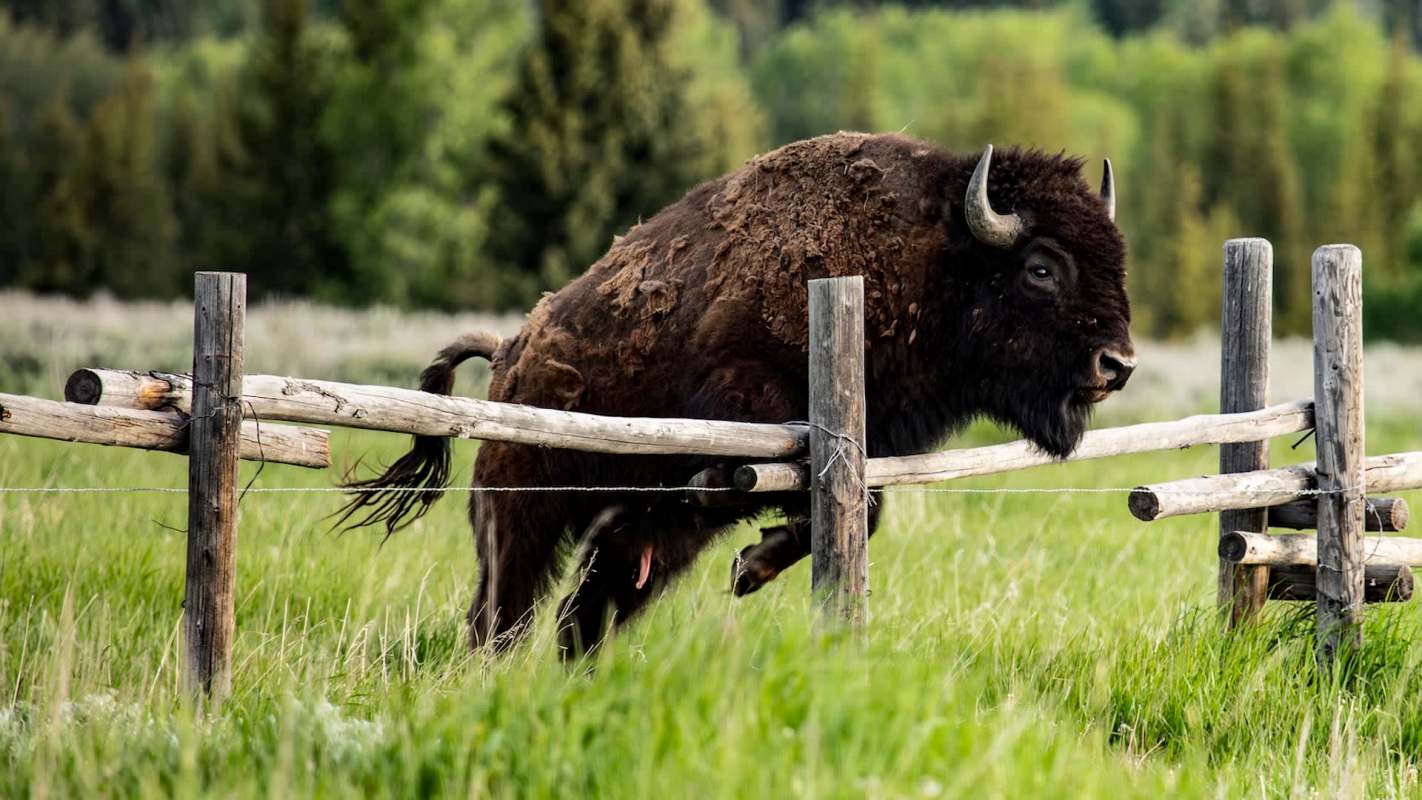
A child sprinted to safety after a bison briefly chased them near a Yellowstone National Park boardwalk.
While no injuries were reported, the moment is a reminder that an ordinary wildlife sighting can turn dangerous very quickly.
The situation unfolded on July 28 after a group moved too close to a bison that was grazing beside the boardwalk, according to the Daily Voice.
What happened?
Video from the park shared by ABC News captures the bison turning toward the group, causing the child to start running away from it.
People nearby can be heard yelling warnings while the animal follows briefly along the boardwalk before the child gets clear.
The footage was recorded by park visitor Brittany Peteler, according to a Storyful report published by 6abc Philadelphia on Aug. 3.
TCD Picks » Quince Spotlight
💡These best-sellers from Quince deliver affordable, sustainable luxury for all




Before the chase, the bison had been calmly feeding near the boardwalk when the group moved closer.
Yellowstone visitors are required by the National Park Service to stay at least 25 yards away from bison, elk, moose, deer, bighorn sheep, and coyotes.
Even from trails and boardwalks, the distance between people and wildlife can shrink quickly.
Why does it matter?
This was not simply a random act by an aggressive animal.
The encounter was likely influenced by human behavior, with people getting closer than they should be to a wild bison instead of giving it space.
Bison may look calm while grazing, but they are still powerful wild animals capable of sudden defensive reactions if they feel threatened.
Yellowstone has repeatedly warned visitors that bison can move much faster than people, making even a brief lapse in judgment risky for adults and children alike.
Daily Voice reported that these incidents can have more serious consequences — this July 28 incident happened less than three weeks after another Yellowstone bison encounter left a grandfather seriously injured, with multiple broken bones from being tossed 8 feet in the air.
Many dangerous wildlife encounters begin when humans crowd, surprise, or try to get too close to animals in their habitat.
A BBC Future explainer on animal attacks offers broader context on this timely issue.
In parks like Yellowstone, that can put both visitors and animals in stressful, potentially harmful situations.
What can I do?
The smartest call is to keep your distance.
At Yellowstone, that means staying at least 25 yards away from bison and other large animals, even if they seem relaxed or uninterested in people.
Visitors can also reduce risk by treating boardwalks and trails as observation points rather than places to edge closer for a better view.
Using a phone zoom or binoculars is far safer than trying to approach for a photo.
Families traveling with children may want to review wildlife rules before heading out so everyone understands how quickly conditions can change.
If an animal starts moving closer, park guidance says to move away rather than stand your ground or keep watching from nearby.
As the National Park Service puts it, "Visitors should move away when wildlife approaches" because "bison are unpredictable, can run three times faster than people, and have injured more visitors at Yellowstone than any other animal."

Get TCD's free newsletters for easy tips, smart advice, and a chance to earn $5,000 toward home upgrades. To see more stories like this one, change your Google preferences here.







