


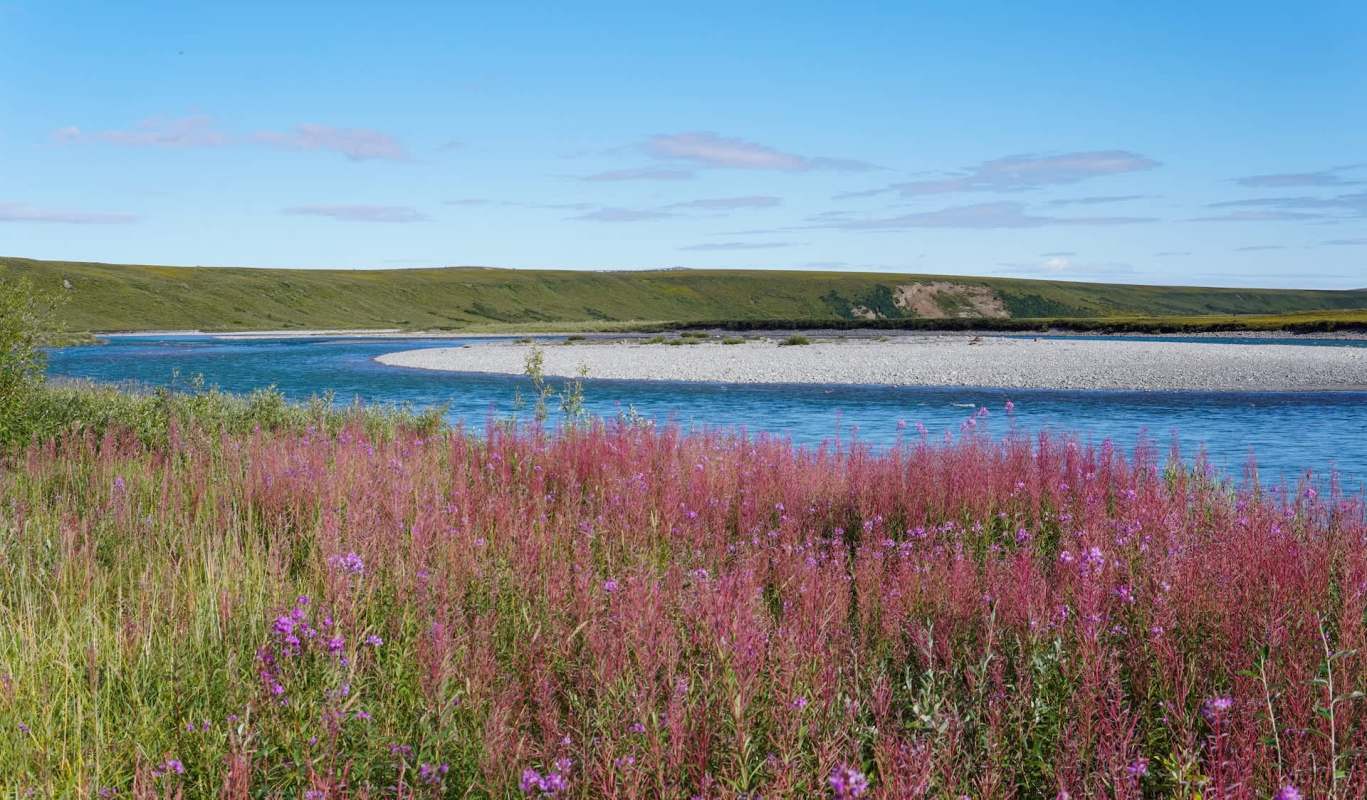
A newly hatched yellow-billed loon in Arctic Alaska is already on the move — and getting a lift along the way.
In a striking wildlife clip, a chick paddles close to an adult before climbing aboard for a ride across the water.
What happened?
Natural-history photographer and content creator Gerrit Vyn (@gerritvyn) posted a video from the Teshekpuk wetlands on Alaska's North Slope showing a yellow-billed loon chick just after hatching.
The scene makes clear that this young bird's time in the nest is brief.
"Soon after hatching, chicks leave the nest and begin following their parents across the lakes and wetlands," Vyn wrote. "Adults continue feeding and protecting them while the young birds grow rapidly during the short Arctic summer."
The video also hints at how narrow the seasonal window is for Arctic wildlife.
TCD Picks » Quince Spotlight
💡These best-sellers from Quince deliver affordable, sustainable luxury for all




"For species like these, the breeding season is compressed into only a few months between ice-out and the return of autumn conditions," Vyn wrote.
One commenter wrote, "What a magnificent capture of a newly hatched Yellow-billed Loonlet being fed while taking a safe & warm ride on Mom's back!"
Why does it matter?
Before severe weather returns, yellow-billed loons get only a brief stretch of warmer conditions to hatch chicks, feed them, and bring them through the nesting season.
That tight schedule can make birds in places like the Teshekpuk Lake wetlands especially susceptible to rapid environmental change. If ice patterns, water levels, food availability, or seasonal timing shift, species with limited breeding windows can face disproportionate risks.
Teshekpuk's wetlands rank among the North Slope's most important waterbird habitats, and successful loon breeding there reflects the condition of Arctic ecosystems more broadly.
Climate pressures affect real animals in real places, often during the most fragile stages of life.
What's being done?
By recording behavior most people would never see firsthand, wildlife photographers and other observers can make a meaningful difference.
Video like Vyn's can also deepen public appreciation for remote habitats that are ecologically valuable and sometimes part of larger land-use debates.
Protected habitat, careful monitoring, and science-based conservation planning are all important for species that rely on a short and sensitive breeding season.

Get TCD's free newsletters for easy tips, smart advice, and a chance to earn $5,000 toward home upgrades. To see more stories like this one, change your Google preferences here.







