


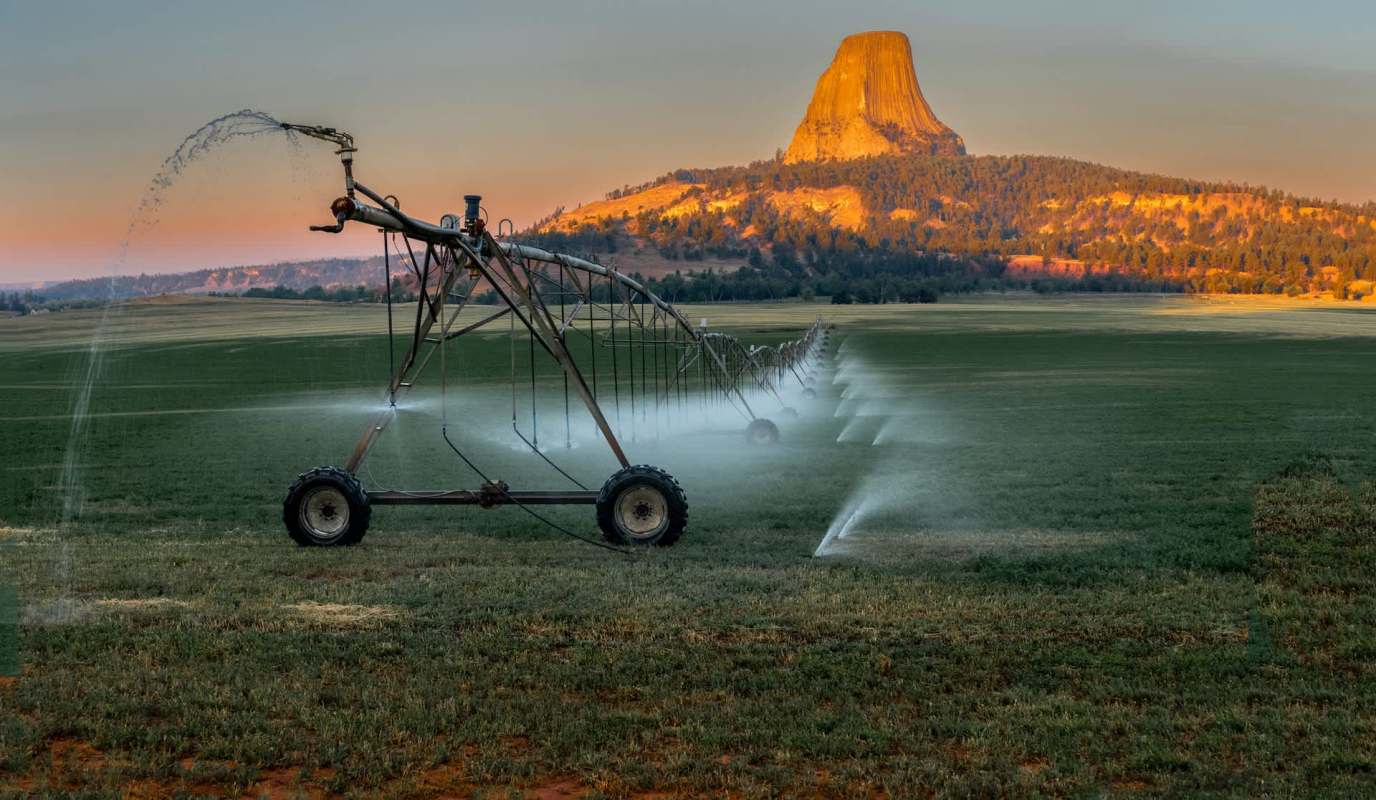
As the Colorado River continues to shrink, two lawsuits are casting a harsher light on water use in the Rocky Mountain West — and on whether new large storage projects will still make sense in a hotter, drier future.
In Wyoming and Colorado, the legal fights could shape irrigation, public spending, and who ultimately bears the growing costs of drought.
Here's what to know
After Interior Secretary Doug Burgum issued an Aug. 21 decision cutting supplies to California, Nevada, and Arizona while largely sparing Wyoming, Colorado, Utah, and New Mexico, the state of Nevada sued to challenge it, WyoFile reported.
Separately, conservation groups have gone to court over Denver's Gross Dam expansion, saying the city may be creating an "$819 million bathtub" without enough water to fill it.
The two disputes are unfolding as river flows have dropped from around 14.6 million acre-feet to about 12.3 million acre-feet.
Nevada argues Burgum made "no analysis of the very real and dire economic effects to millions of municipal water users if the taps are turned off or water use must be significantly curtailed."
TCD Picks » Quince Spotlight
💡These best-sellers from Quince deliver affordable, sustainable luxury for all




Meanwhile, Wyoming is among the states to welcome the federal plan because its 7% share would avoid administrative cuts. The state is also pursuing the West Fork Dam on Carbon County's Battle Creek, a proposal that would store 10,000 acre-feet and supply 6,000 acre-feet a year for irrigation, according to WyoFile.
More background
When officials plan around water that may never arrive, communities can end up paying for infrastructure that underdelivers, while ecosystems absorb even more damage.
In the Denver case, attorney William Eubanks, representing river-protection group Save the Colorado, told the court, "They're building a giant bathtub, even though there's likely no water to ever fill it," per WyoFile.
He also argued planners "never analyzed whether there will be any average-to-wet years in which Denver can divert the water under its existing water rights, let alone whether there will be enough of those years to ever fill this expanded reservoir of 72,000 acre-feet," and warned of "massive environmental destruction on both sides of the Continental Divide."
For cities, that can mean more expensive water systems and stricter restrictions. For ranchers and farmers in states like Wyoming, it raises the possibility that traditional diversions could become less dependable if upstream states are eventually required to send more water downstream.
What's being done?
In court, Nevada is seeking to block and overturn Burgum's 10-year plan, saying drought cuts should be distributed more evenly between Upper Basin and Lower Basin states. Meanwhile, conservation groups want judges to require a more realistic assessment of drought and other effects of Earth's warming before major reservoir expansions can proceed.
Those challenges could force water managers to reconsider whether costly dam and reservoir projects are still the smartest path. Money tied up in vulnerable projects cannot be used for more durable, lower-cost conservation strategies or protections for local communities.
Nevada's lawsuit argues such options exist upstream. If the courts agree, states could face growing pressure to plan for a hotter, drier reality rather than assuming the river can continue meeting every demand.
Gary Wockner, executive director of Save the Colorado, put the warning bluntly. "Ranchers and farmers are likely going to be subject to being forced to send water downstream," Wockner told WyoFile.
Where can I learn more?
Across the West, the same problem keeps coming up: how much new water infrastructure still makes sense as supplies tighten and pressures grow.
If you want to read more about how drought, contamination, and competing demands are colliding with questions about who gets clean water and when, you might want to take a look at these stories:
• In northern Colorado, a reservoir built for Coloradans sits 2% full after uranium surfaced in dam rocks.
• Across Wyoming and the West, summer water restrictions are becoming a household reality.
• In Utah, proposed data centers could suck water away from communities already facing drought.
Each of these examples shows how quickly water issues can escalate, reflecting the same pressures now bearing down on those impacted by problems with the Colorado River.

Get TCD's free newsletters for easy tips, smart advice, and a chance to earn $5,000 toward home upgrades. To see more stories like this one, change your Google preferences here.







