


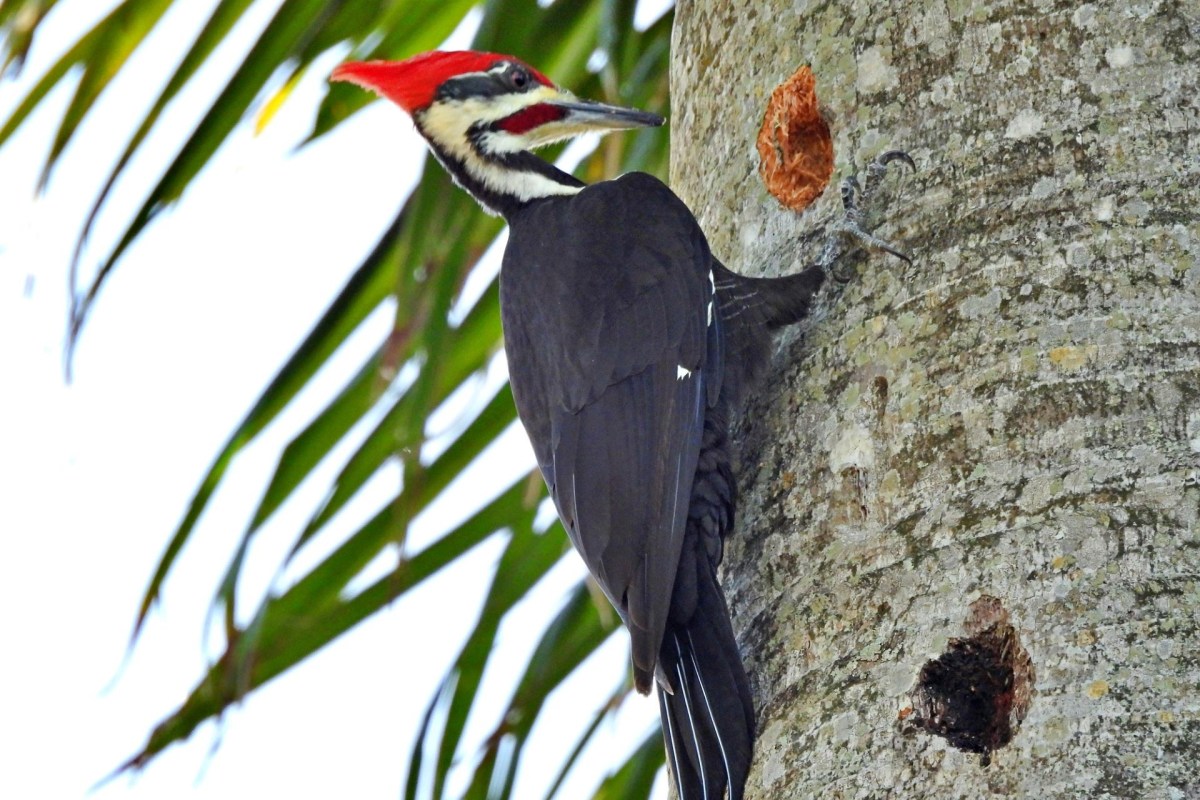
That machine-gun tapping echoing through neighborhoods this spring may not be a bird hunting for lunch after all.
According to a new Instagram post from The Cornell Lab of Ornithology (@cornellbirds), woodpecker drumming is a form of communication similar to birdsong, and careful listening can sometimes help identify the species making the sound.
What happened?
A recent Instagram carousel from The Cornell Lab of Ornithology turns a familiar backyard sound into a handy identification clue.
"Woodpeckers make drumming sounds to attract mates, a lot like 'regular' bird song," the account writes. "And even though drumming isn't as melodic as a song, you can still train your ears to recognize some woodpecker species."
The video demonstrates how astute listeners can use speed to differentiate Downy Woodpeckers from Hairy Woodpeckers. Rhythms can separate a Yellow-bellied Sapsucker from Williamson's Sapsucker. Lastly, length can indicate a Northern Flicker.
"Woodpeckers can drum all year round, but there's a noticeable uptick during the spring months—roughly March through June," the post notes.
TCD Picks » Quince Spotlight
💡These best-sellers from Quince deliver affordable, sustainable luxury for all




So that might be the best time to pay attention to the nuances of the drumming. The caption noted that both males and females drum, so that bird-lovers might not be able to discern.
Why does it matter?
Knowing what that tapping means has conservation value.
When people recognize bird behavior in their own neighborhoods, they may be more likely to appreciate local habitat, protect mature trees, and support the green spaces birds rely on.
It can also be a fun habit to try to figure out which woodpecker is in their neighborhood. Many commenters alluded to that in the comments.
What are people saying?
Commenters were loving the information.
"Love this! More of this !!" one gushed.
"The downy woodpecker across the street from me won't stop drilling very orderly rows of little holes in his tree and it's become my new obsession to watch," a user shared.
One user was bummed out about not being able to find their personal favorite bird, the Pileated Woodpecker, in their area.
"Go on Ebird website, then Explore, then Species Maps," a user suggested, which earned The Cornell Lab of Ornithology's endorsement.
"I've used this for many of my recent target birds with lots of success!" the user added.

Get TCD's free newsletters for easy tips, smart advice, and a chance to earn $5,000 toward home upgrades. To see more stories like this one, change your Google preferences here.







