


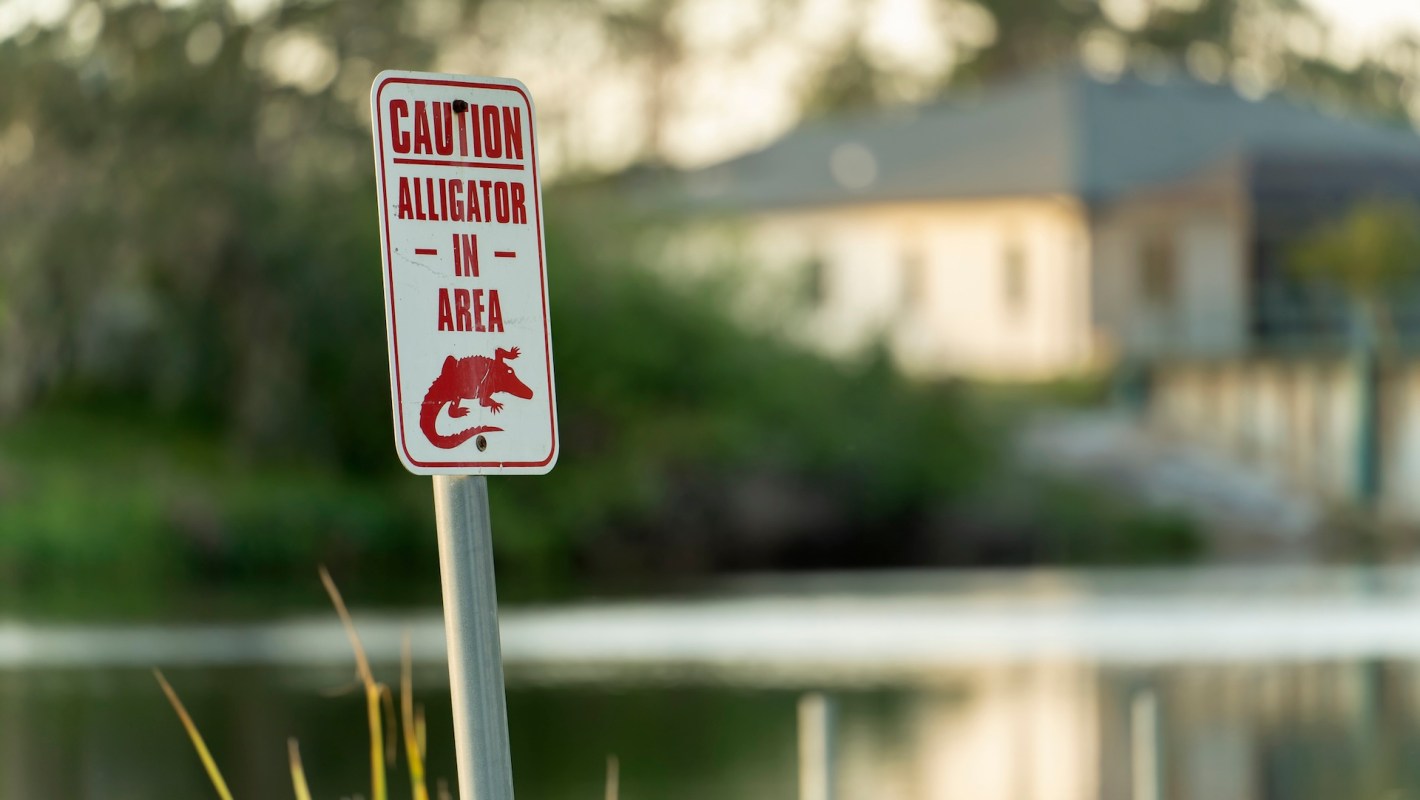
A 31-year-old woman was fatally attacked by an alligator while cooling off in a Florida river during a hike.
Officials said the attack took place in Seminole County, north of Orlando.
What happened?
As ABC News reported, the woman had been hiking Sunday with her boyfriend and best friend before the trio entered the Econlockhatchee River to cool off. There, an alligator bit both of her arms.
According to Chad Weber, a spokesperson for the Florida Fish and Wildlife Conservation Commission, the friends were in water about three feet deep when the attack happened.
"The boyfriend was the one that made the [911] phone call," Weber said during a press conference. "He was trying to get her from the alligator's mouth."
Weber said the woman died before reaching the hospital.
TCD Picks » Quince Spotlight
💡These best-sellers from Quince deliver affordable, sustainable luxury for all




Wildlife officers later captured two alligators nearby, measuring 12 feet and 13 feet, noting that a 13-foot alligator is considered very large.
What can drive this?
In areas used for recreation and tourism, people are increasingly sharing space with wild animals.
Rivers, wetlands, and shorelines are natural habitats for alligators and crocodiles. But they are also places where people swim, fish, hike, and seek relief from increasingly intense heat. The overlap can raise the risk of dangerous human-wildlife encounters.
What can be done?
Officials routinely urge people to assume alligators may be present in Florida freshwater environments and to stay alert when entering them.
Precautions include avoiding swimming in unfamiliar rivers or wetlands, paying attention to warnings, keeping a distance from wildlife, and never assuming shallow water is safe. Being with others, staying out of the water when visibility is low, and choosing designated swimming areas can also help mitigate danger.
Ultimately, though, environmentalists generally agree that conserving swaths of land to protect natural habitats is important for reducing the risk of human-wildlife encounters.

Get TCD's free newsletters for easy tips, smart advice, and a chance to earn $5,000 toward home upgrades. To see more stories like this one, change your Google preferences here.







