


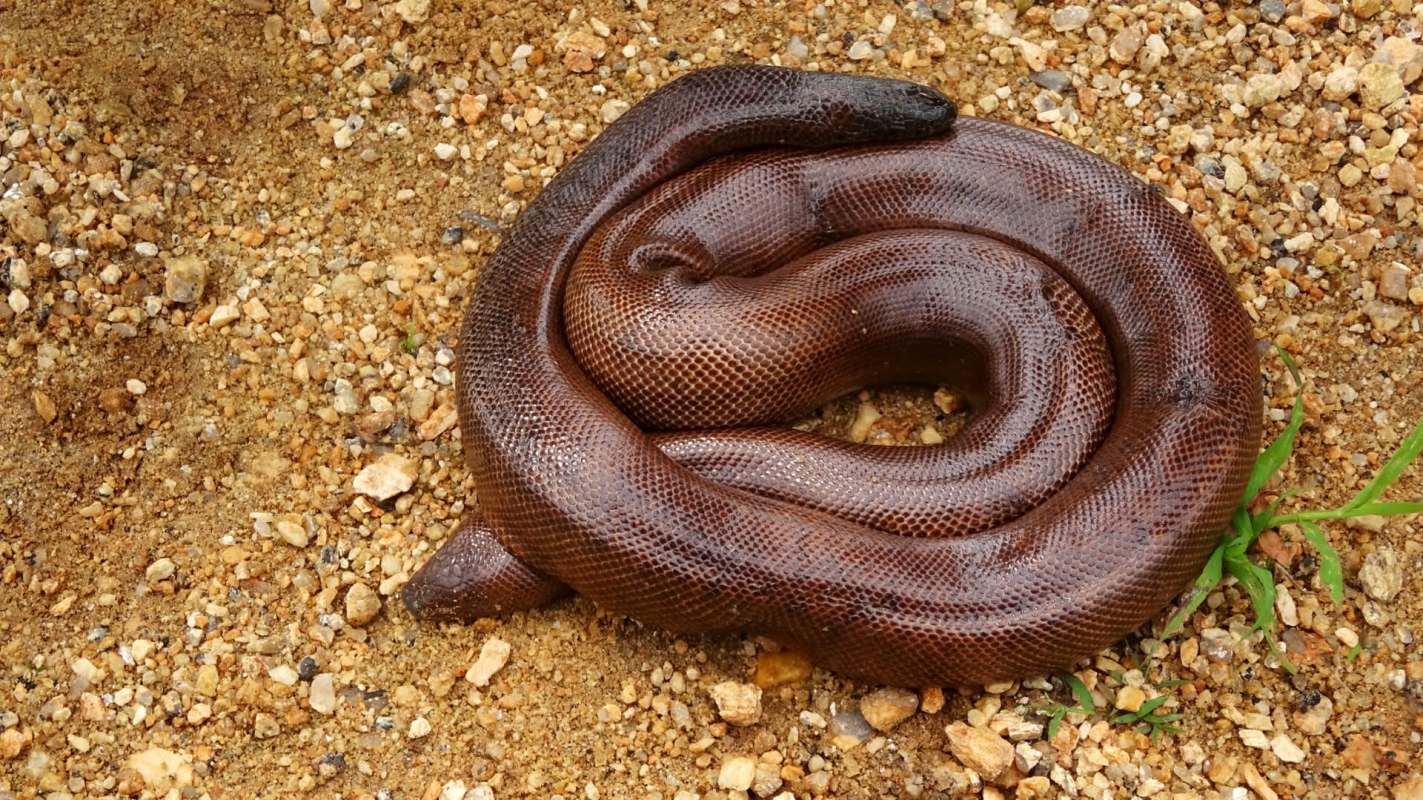
A wildlife trafficking case in Central India is drawing attention to how superstition can put already vulnerable animals at risk. Police said a 65-year-old man was transporting a rare red sand boa — often mislabeled a "two-headed" snake — in a box with the intention of selling it.
What happened?
In Narmadapuram's Satwasa area, Dehat police arrested Omprakash Gaur, 65, after allegedly finding the protected snake in his possession, according to Bhaskar English.
After detaining Gaur, police informed the Forest Department, whose team helped identify the animal and document the wildlife details connected to the seizure. Officials were also investigating where the snake came from, who was supposed to receive it, and whether others were involved in a broader smuggling network.
India treats the capture, killing, or sale of a red sand boa as a serious offense under its Wildlife Protection Act. Bhaskar English reported that police filed a case under the relevant sections and, after a medical examination, were preparing to produce the accused in court.
Part of the snake's mystique comes from its body shape: at a quick glance, the tail can resemble the head or mouth, which is why people often call it two-headed. That feature has fed stories that the animal brings wealth or luck as well as its use in tantric rituals or medicines.
Why does it matter?
One of the most persistent rumors surrounding the species is that it can sell for over 3 crore rupees ($315,512) on the international market.
TCD Picks » Quince Spotlight
💡These best-sellers from Quince deliver affordable, sustainable luxury for all




Whether sellers realize such prices or not, the belief itself can drive capture and trafficking.
False ideas about animals possessing magical or medicinal powers can create demand that harms wildlife while offering no real benefit to the people persuaded to believe it.
What's being done?
Police and Forest Department officials were working together to map the alleged trafficking chain, according to Bhaskar English. Their investigation focused not only on the arrest itself but also on tracing the snake's origin, identifying the intended buyer, and finding any additional smugglers connected to the case.
Wildlife crime often crosses district and state lines, so enforcement tends to be more effective when police and conservation authorities share information early.

Get TCD's free newsletters for easy tips, smart advice, and a chance to earn $5,000 toward home upgrades. To see more stories like this one, change your Google preferences here.







