


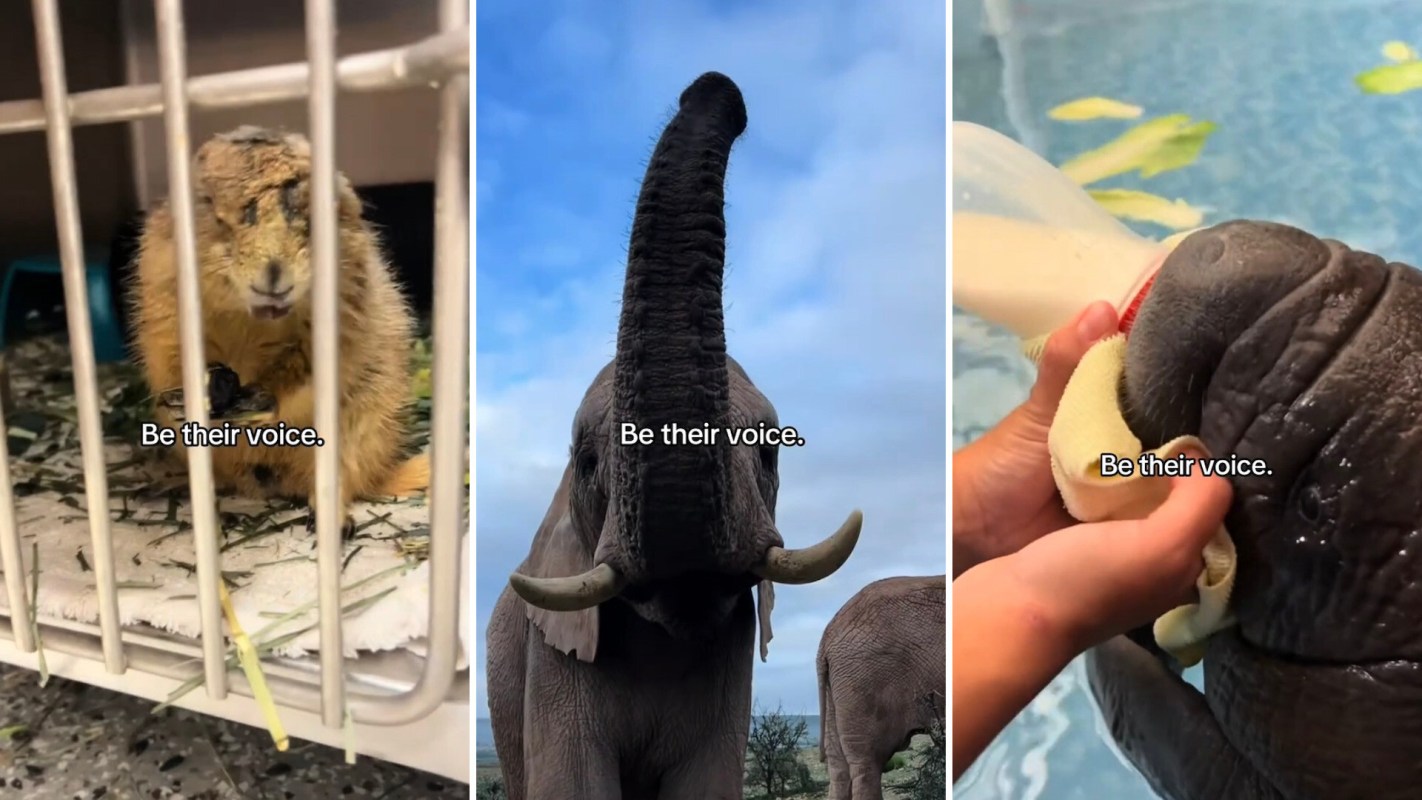
An understated wildlife-rehab video is making the rounds online, highlighting that animal care calls for real expertise.
What's happening?
Creator Maddie Hutson (@maddiehutsonn) uploaded a video from earning her zoology degree to the wildlife-rehab work she now does for a living. According to the caption, her advice for others is: "Be kind to all kinds."
@maddiehutsonn Be kind to all kinds🤍 #wildlifeconservation #vetmed #zoology #wildliferehab ♬ original sound - xharlis
With no spoken narration, the TikTok video shows her caring for a wide variety of animals, underscoring that care for animals often involves demanding, behind-the-scenes work to help injured or vulnerable wildlife recover.
Commenters seemed both inspired and eager to learn more.
"I wanna do this so bad," one commenter wrote, while another said, "I'm majoring in zoology as well!!! my parents don't think there is a purpose to it but being an animals voice is my dream."
Why does it matter?
Wildlife rehabilitation plays an important role in helping animals survive injuries, habitat disruption, pollution exposure, and other human-caused threats.
TCD Picks » Quince Spotlight
💡These best-sellers from Quince deliver affordable, sustainable luxury for all




It also gives people a closer look at how much effort goes into protecting species that often go unnoticed.
What can I do?
A first step is learning how wildlife rehabilitation works in your area.
Many organizations depend on volunteers for transport, cleaning, food prep, fundraising, and administrative support, while medical or direct animal-handling roles often require permits and specialized training.
If you encounter an injured wild animal, the safest move is usually to contact a licensed wildlife rehabilitator, veterinarian, animal control office, or local rescue organization for guidance.
In many situations, trying to help without training can increase stress for the animal or put people at risk.
People interested in the field professionally can also explore coursework in zoology, biology, veterinary technology, or environmental science.
Internships, volunteer placements, and local conservation groups can provide a realistic picture of the work and help build experience over time.
"Being an animals voice is my dream," said one commenter.

Get TCD's free newsletters for easy tips, smart advice, and a chance to earn $5,000 toward home upgrades. To see more stories like this one, change your Google preferences here.







