


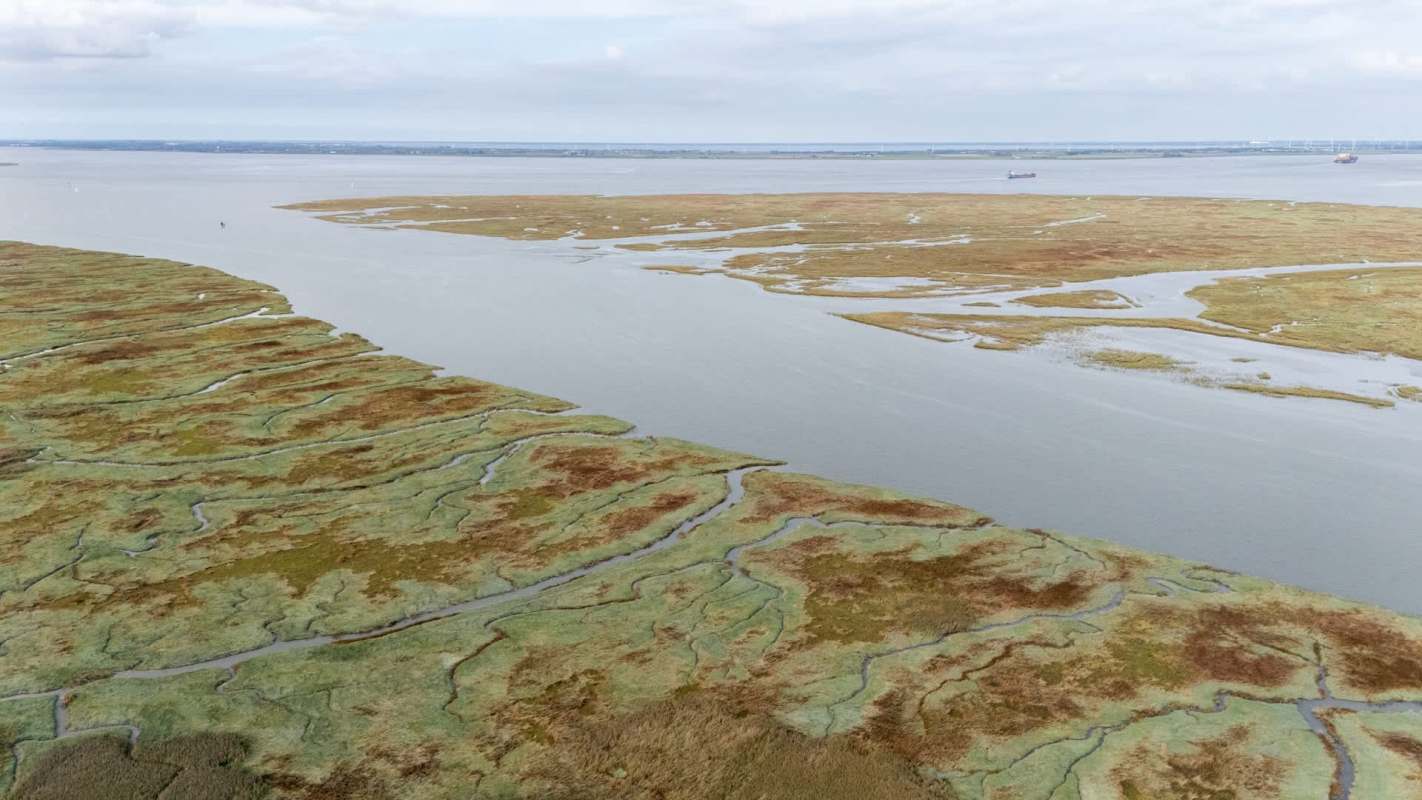
Scientists have identified potential safe havens for wildlife threatened by rising seas, but 96% lie outside current protected areas.
Here's what to know
The global study published in Science covered about nine in 10 known species of amphibians, reptiles, birds, and mammals, Mongabay reported. Scientists assessed suitable habitats for those 34,120 land vertebrate species under five climate scenarios.
Reptiles, species confined to small areas, and those already under threat face particularly high risks. Depending on the climate, coastal flooding could remove habitat from between 14,325 and 15,324 species by 2100.
Habitat expected to stay above water could help wildlife survive flooding in surrounding areas. The researchers identified these places within species' ranges as "refugia."
"Conservation planning needs to consider not only where species occur today, but also which parts of their habitat are projected to remain above water in the future," study co-author Zhong-Wen Jiang, a postdoctoral researcher at China's Sun Yat-sen University, told Mongabay.
More background
The study ranks the Amazon River delta highest for expected habitat losses. More than 247,100 acres (100,000 hectares) of its riverside forests and coastal wetland habitat could flood by 2050. Coastal areas in Central America and southeastern Africa also face substantial risks.
TCD Picks » Quince Spotlight
💡These best-sellers from Quince deliver affordable, sustainable luxury for all




Southeast Asia is another area of concern, as many threatened species live in small coastal ranges. The researchers found that habitats projected to flood in Peninsular Malaysia, Borneo, and Sumatra support almost three times as many threatened species as comparable inundated habitats elsewhere.
Jennifer Magel, a University of British Columbia conservation scientist, explained that roads, dykes, and seawalls can prevent wetlands from shifting inland. Magel said that "coastal squeeze" threatens the connected feeding and resting grounds that migrating shorebirds need to complete their journeys.
What's being done?
The study identifies Myanmar, Vietnam, and Indonesia as promising places to expand protected areas into future refuges. However, limited conservation funding and technical capacity in these countries make international cooperation essential to putting the findings into practice, according to Jiang.
Magel emphasized the importance of giving wetlands room to move inland by curbing new infrastructure and relying less on fixed coastal barriers. Accounting for future sea levels in land-use decisions could preserve important habitat before development blocks that movement.
Jiang said that under low-pollution scenarios, projections indicate that 395 species will lose more than 1% of their suitable habitat by 2100. Under high pollution, that figure reaches 1,180.
"We should not wait until habitats are inundated to decide how to protect the species that depend on them," Jiang said. "Early action, supported by international cooperation and resources for countries with limited conservation capacity, is essential."
Where can I learn more?
Rising seas and flooding threaten both wildlife habitat and the places people call home.
• Three tiny Florida reptiles finally get endangered status as rising seas and development threaten habitat.
• In Florida's Everglades, tree islands shelter alligators, but climate shifts put these refuges at risk.
• In South Florida, floods drove snakes into homes, garages, and yards as trapper calls tripled.

Get TCD's free newsletters for easy tips, smart advice, and a chance to earn $5,000 toward home upgrades. To see more stories like this one, change your Google preferences here.







