


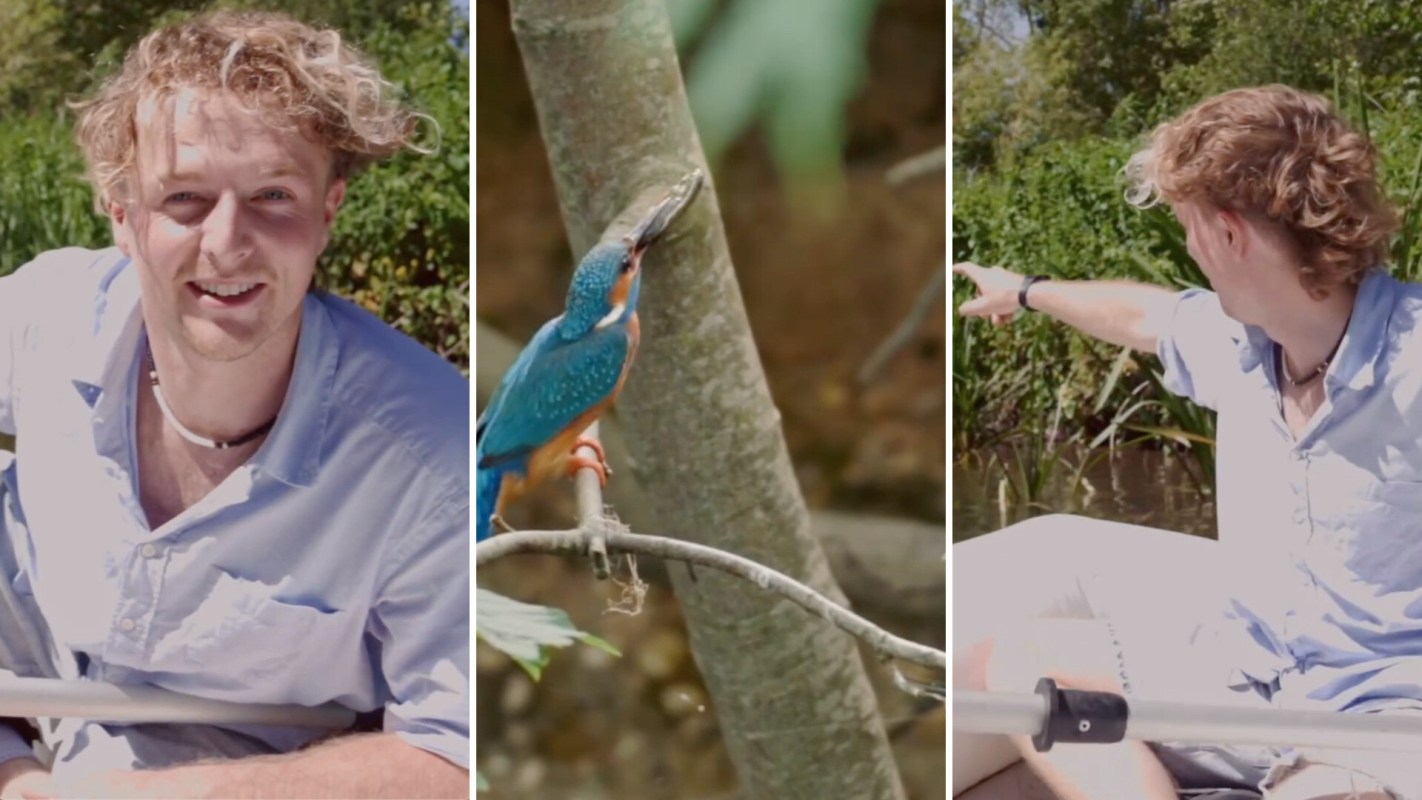
Before Wildlife Aid's cameras got underway, the team had already stumbled onto the day's big find: a kingfisher flashed by with a fish and appeared to give away where it was nesting.
What happened?
The video by Wildlife Aid Foundation (@wildlifeaid) focuses on the moment the 20-acre reserve's long winter search paid off.
As filming was about to begin, the group saw a kingfisher sweep past and went directly to the burrow.
In the caption, the group wrote, "After hours and hours of searching throughout the winter, our media man, Dan, finally found evidence of kingfishers at the 20-acre reserve."
Wildlife Aid said the sighting capped a lot of earlier effort. The team had noticed an opening in the riverbank, set up trail cameras beside it, and later verified that kingfishers were using the spot to nest.
Why does it matter?
Kingfishers are more than striking birds with electric-blue feathers — they can also signal a healthy freshwater habitat.
TCD Picks » Quince Spotlight
💡These best-sellers from Quince deliver affordable, sustainable luxury for all




They depend on clean waterways for fish and suitable riverbanks for burrowing nests, so finding an active nesting site suggests the area is providing the essentials wildlife needs to thrive.
Protecting riverbanks and wetlands can help preserve cleaner water, reduce erosion, and maintain green spaces that local communities can enjoy.
Discoveries like this also show why small reserves and habitat restoration projects are worth the effort: Even relatively limited patches of protected land can become safe places for sensitive species to breed.
When conservation teams document nesting behavior, it can help guide future habitat management and build public support for protecting the ecosystems humans and animals share.
What are people saying?
Wildlife Aid wrote, "Having nesting kingfishers on our site, now, is a real testament to all the hard work of our volunteers, friends and supporters."
The group also noted the significance of the moment, writing, "Just five years ago, this area was wasteland and largely inhospitable to wildlife."

Get TCD's free newsletters for easy tips, smart advice, and a chance to earn $5,000 toward home upgrades. To see more stories like this one, change your Google preferences here.







